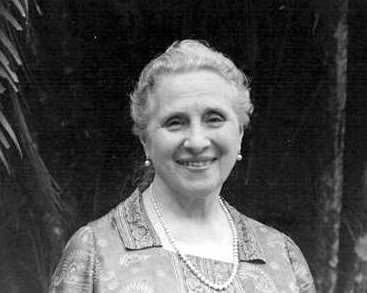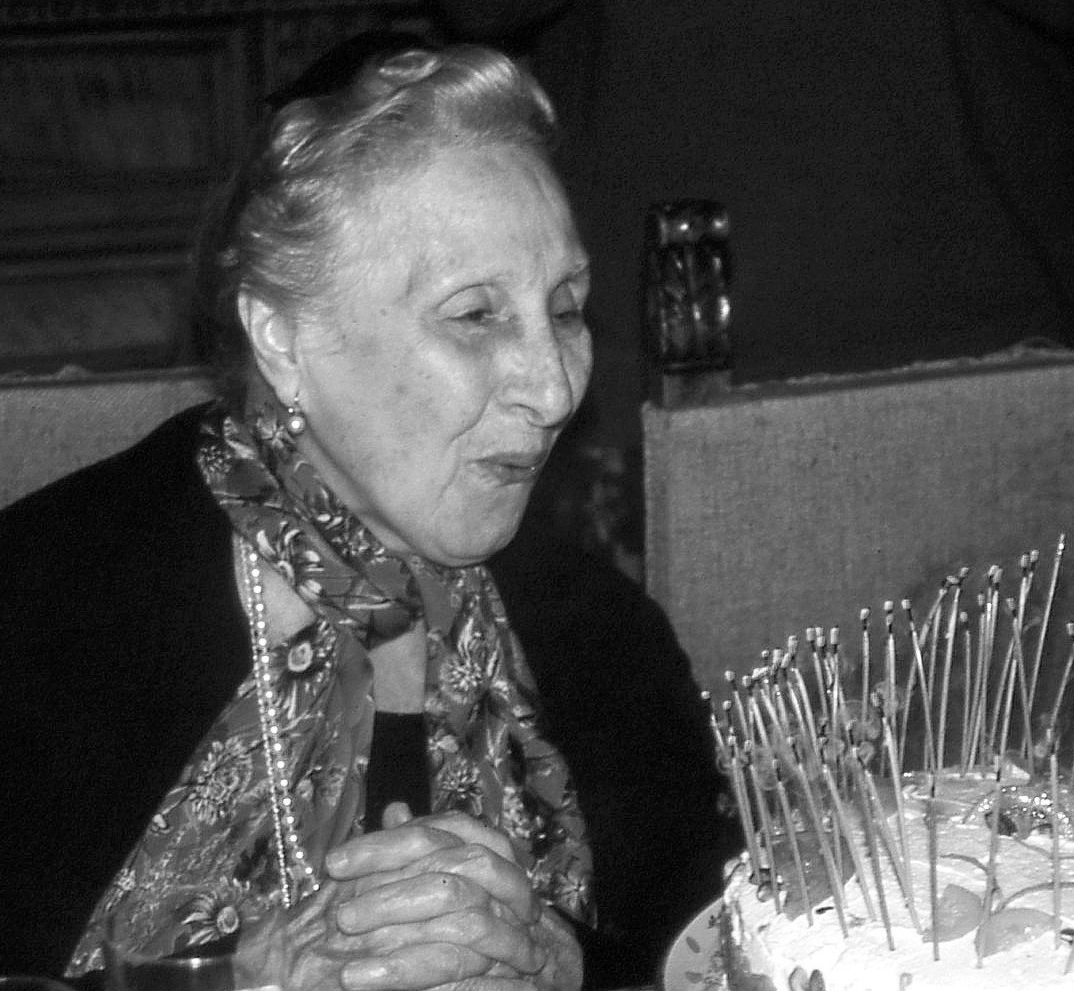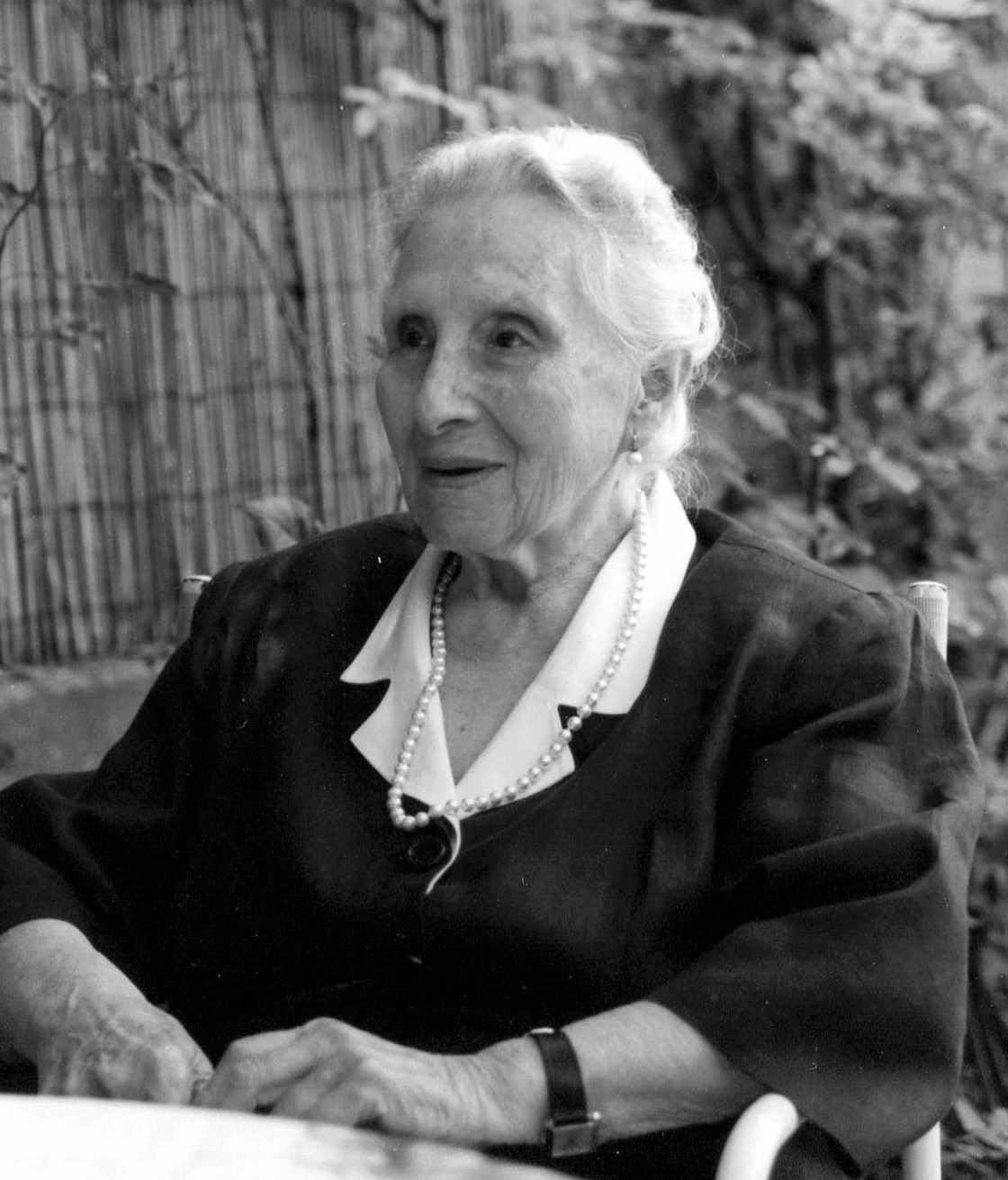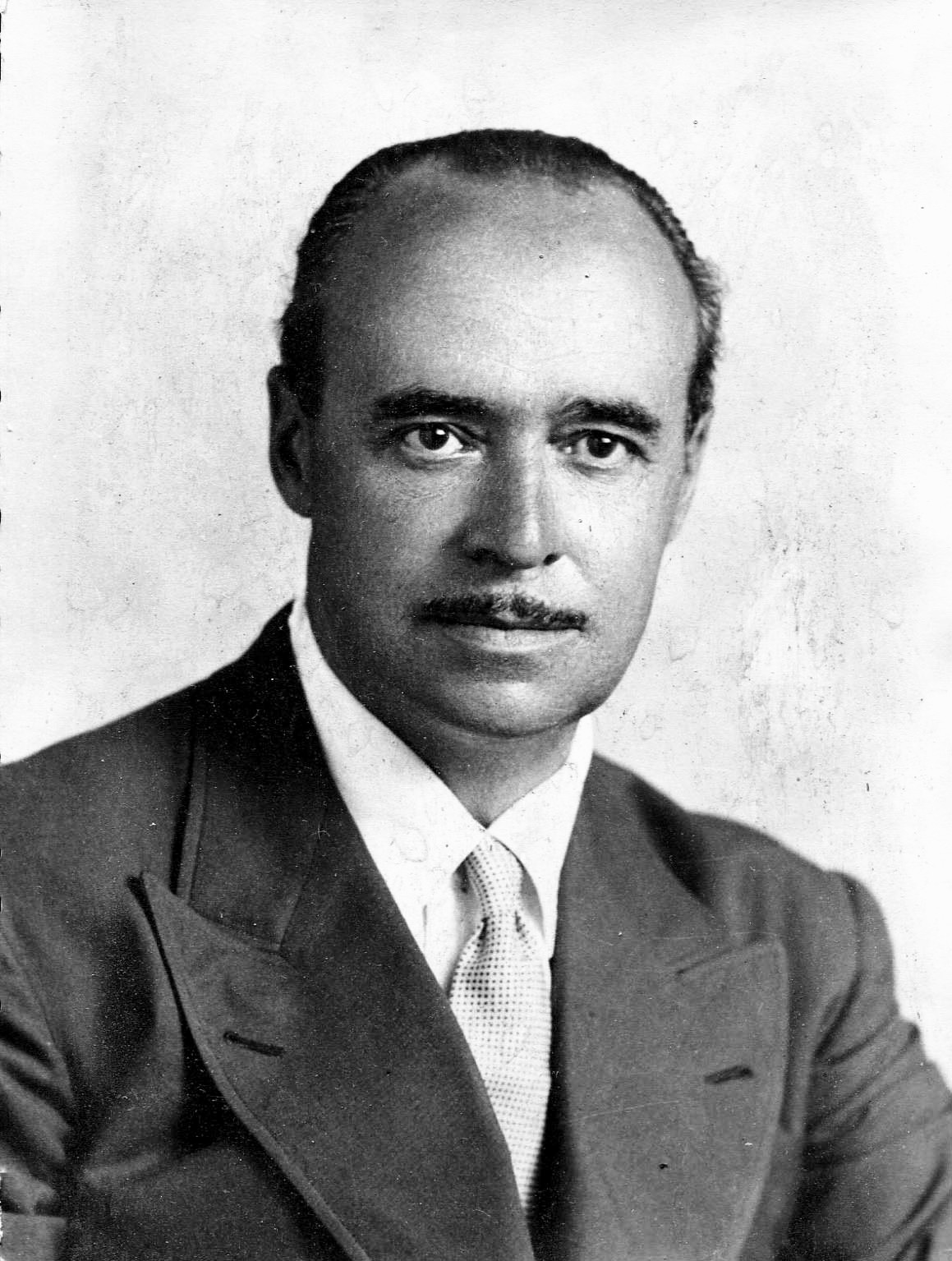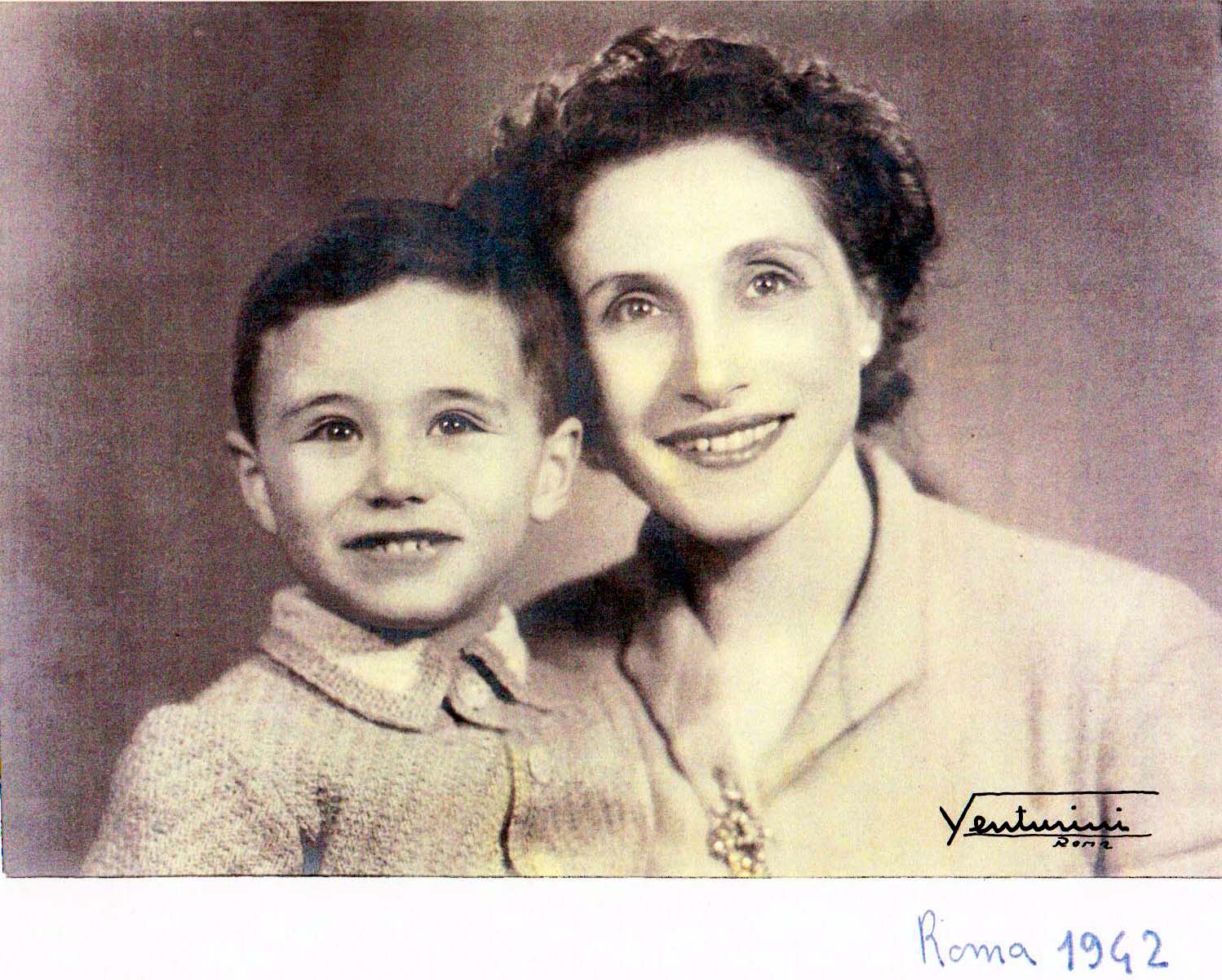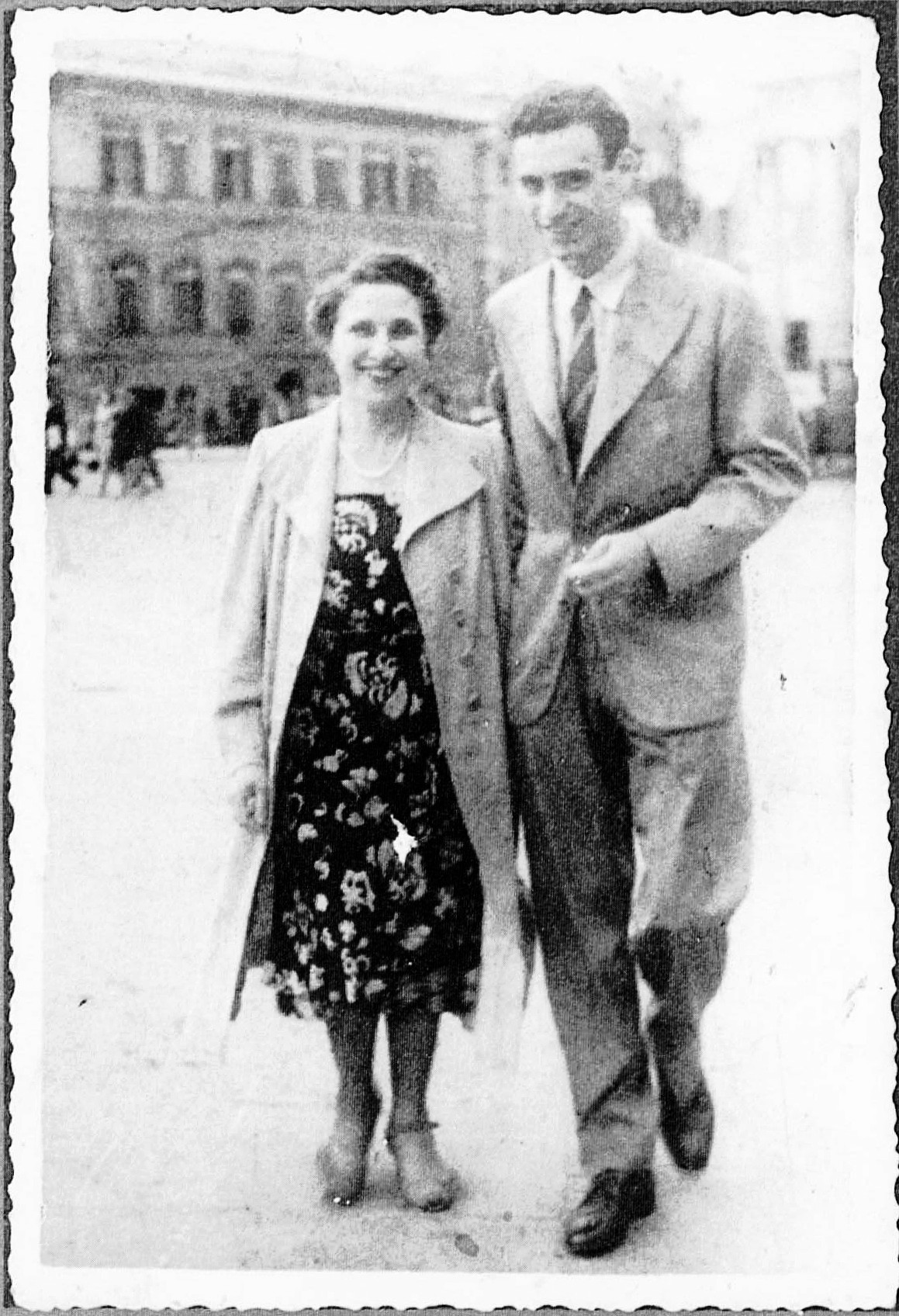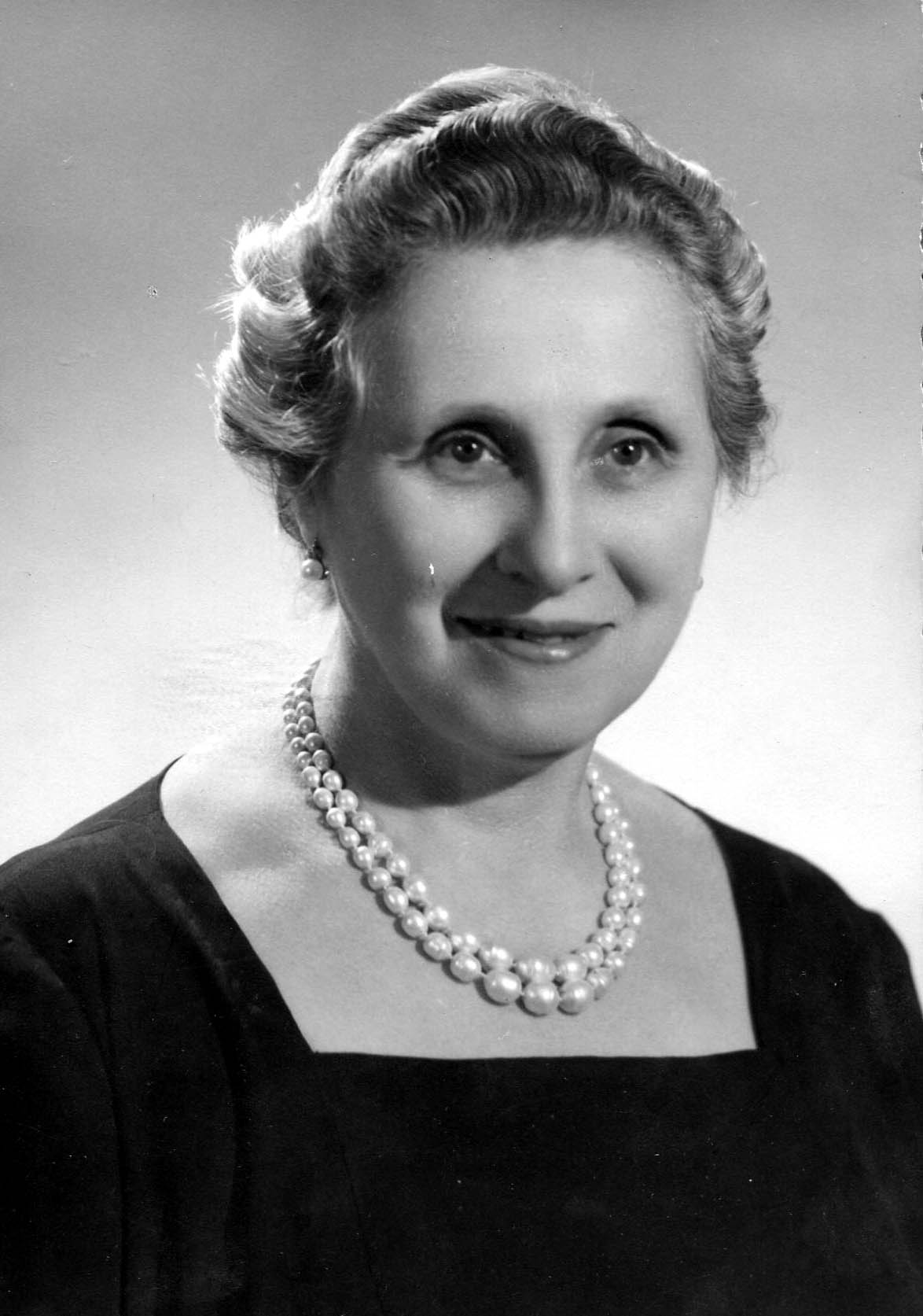
Maria Schiavo Campo de Gregorio
PIANIST AND COMPOSER
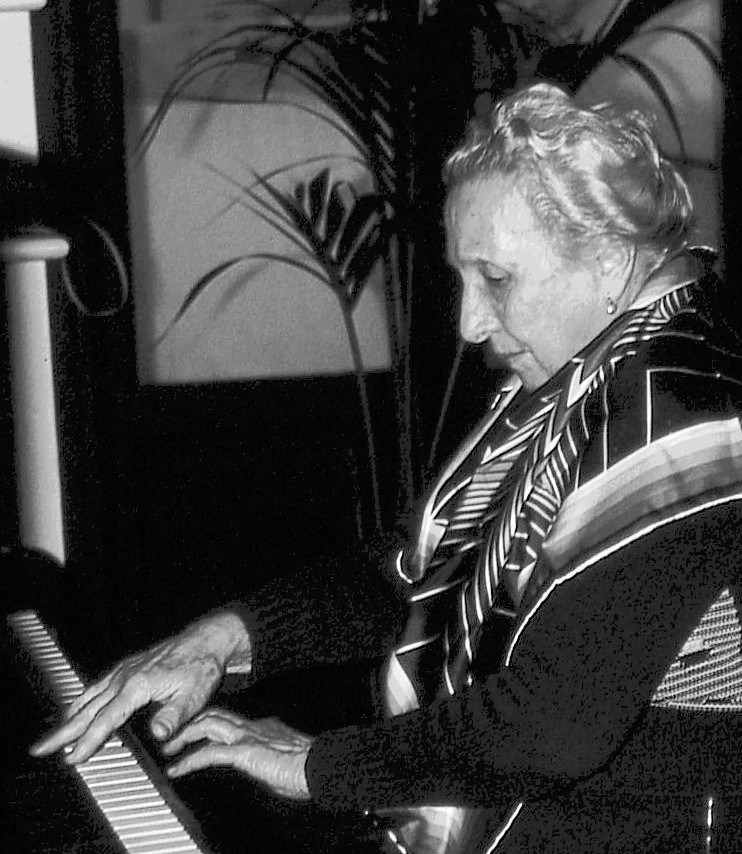
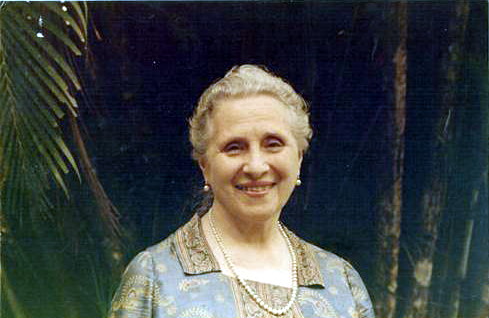
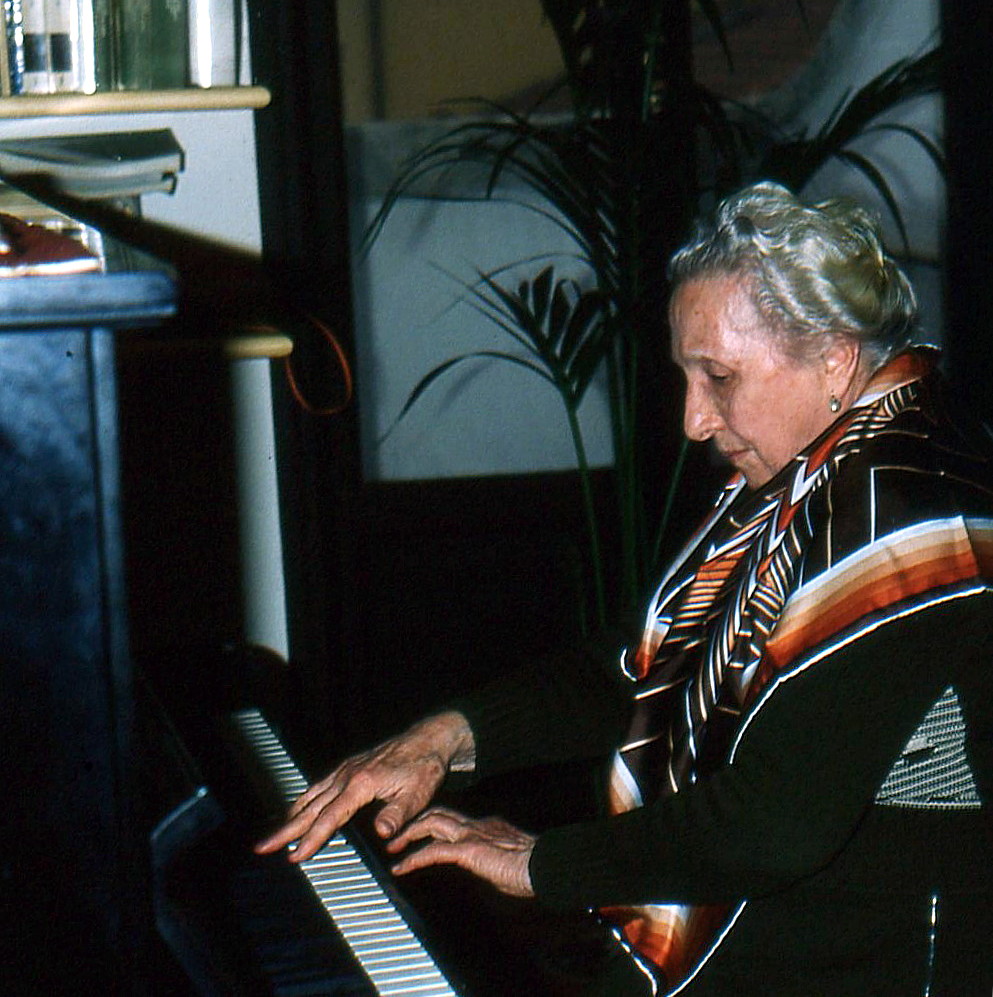
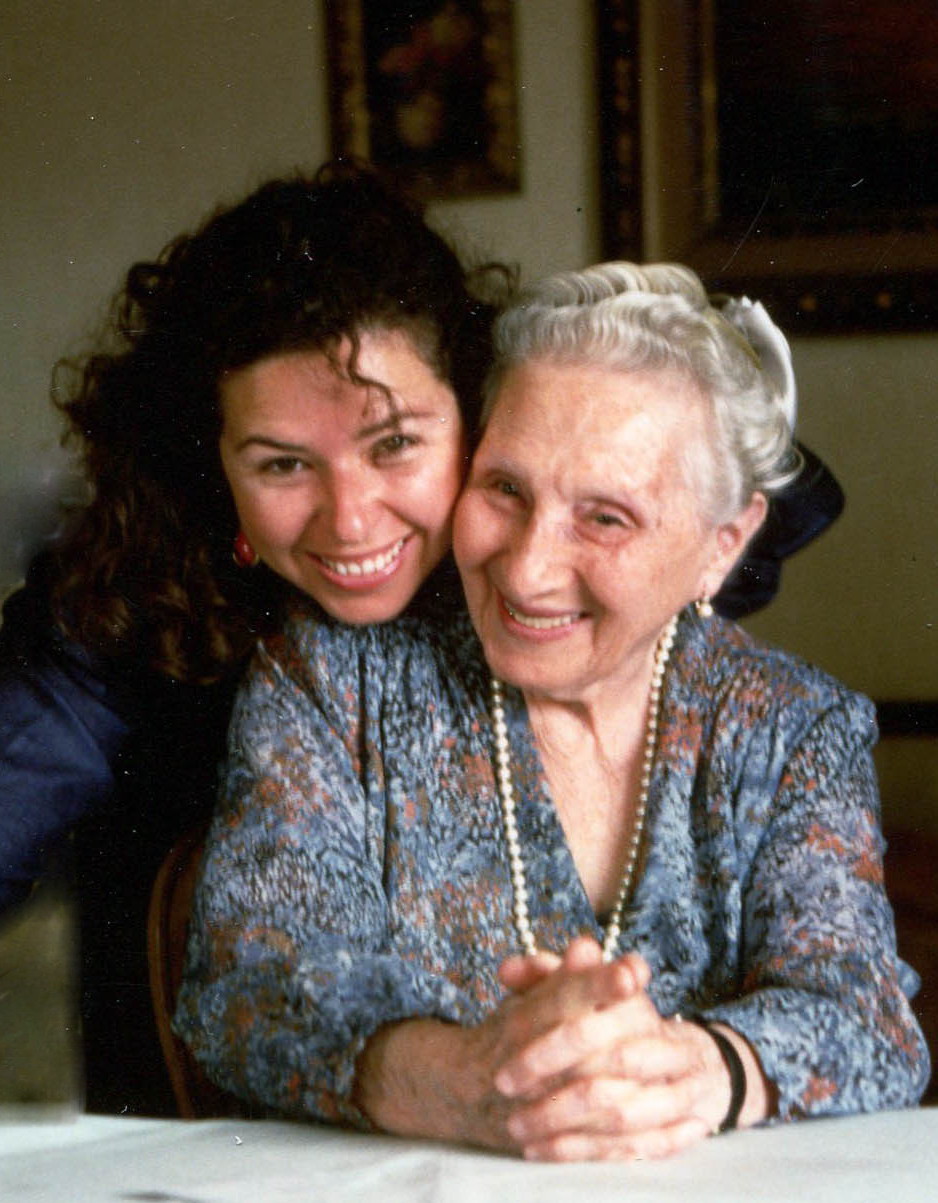
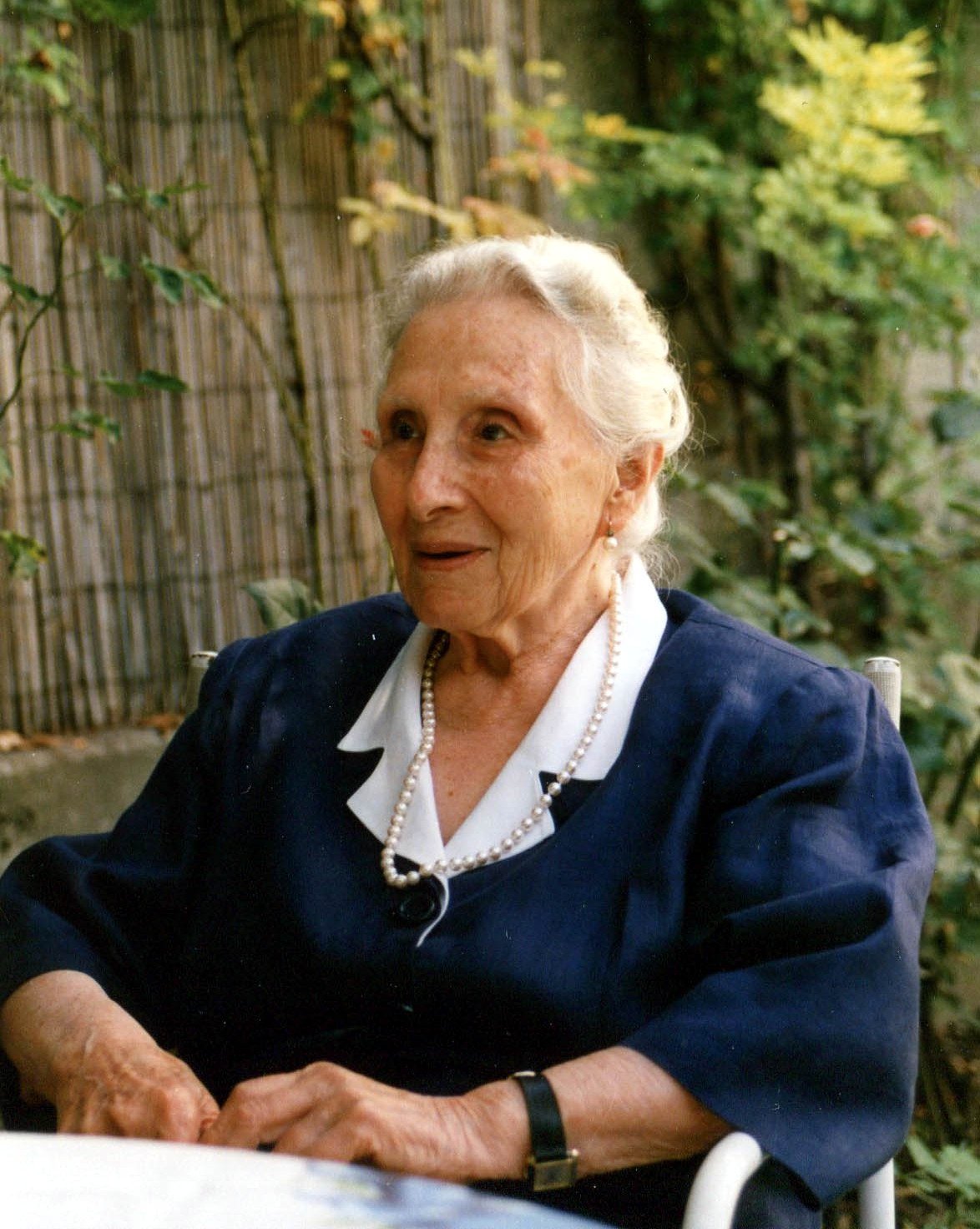
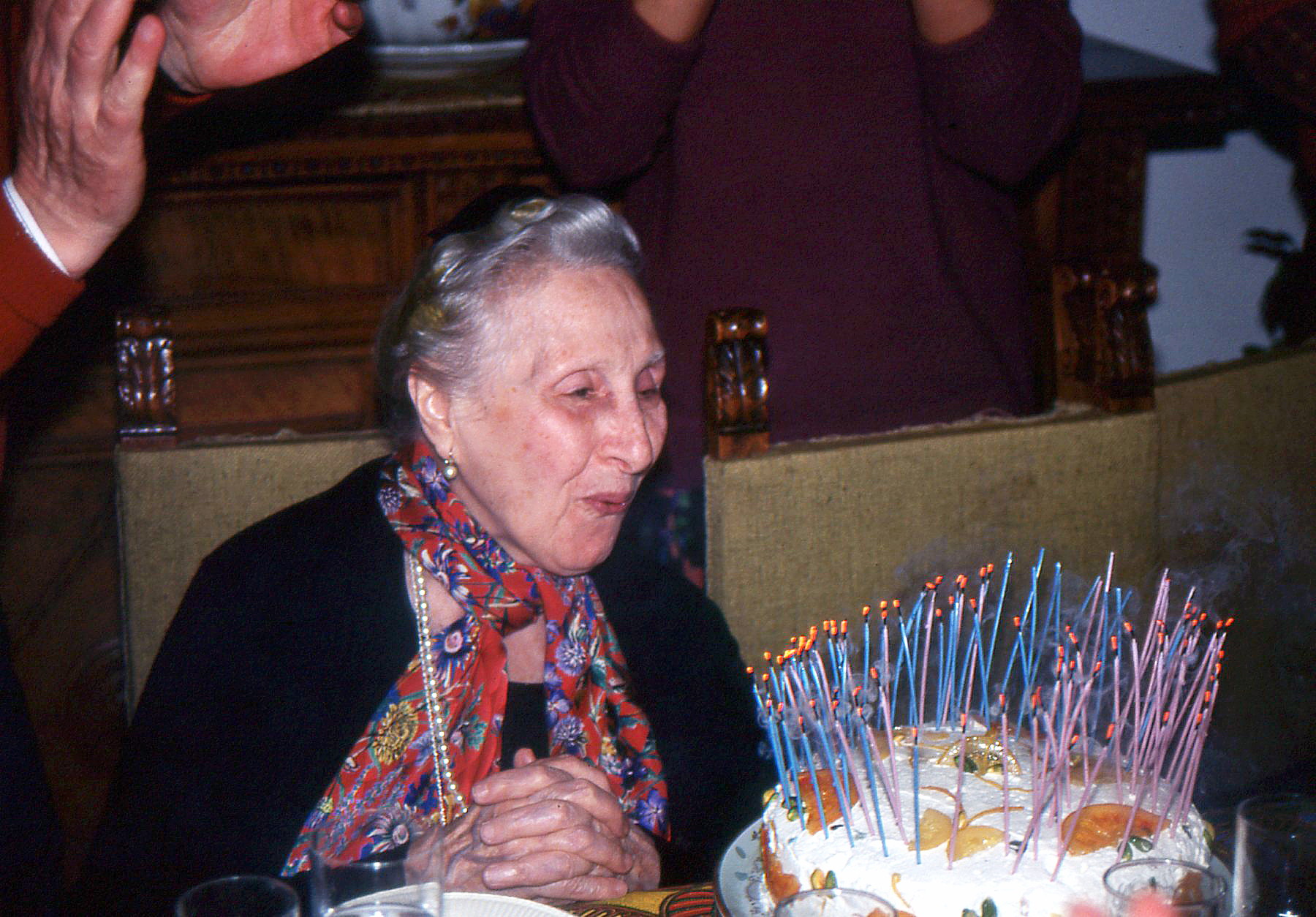
Maria de Gregorio is an Italian pianist and composer of the 20th century.
She is born in Palermo on 13th February 1900.
At 18 years old she graduates from the Music Conservatory in Palermo after completing her studies with Maestro
continue...
Guido Alberto Fano.
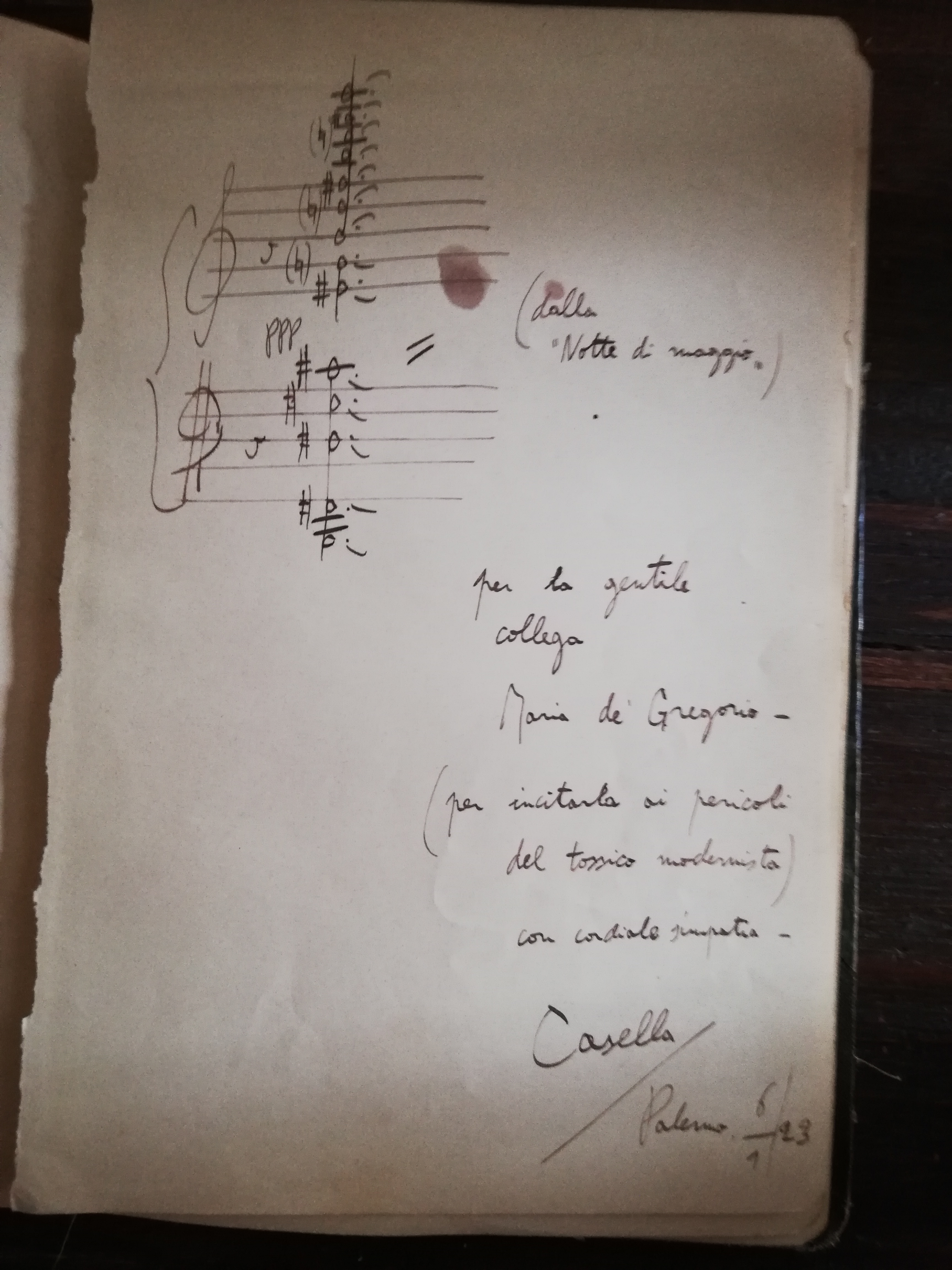
She starts composing very young. Maestro Alfredo Casella and Maestro Mario Pilati develop her talent as a composer and at 22 years old she writes her first work, which marks the beginning of her prolific and esteemed career.
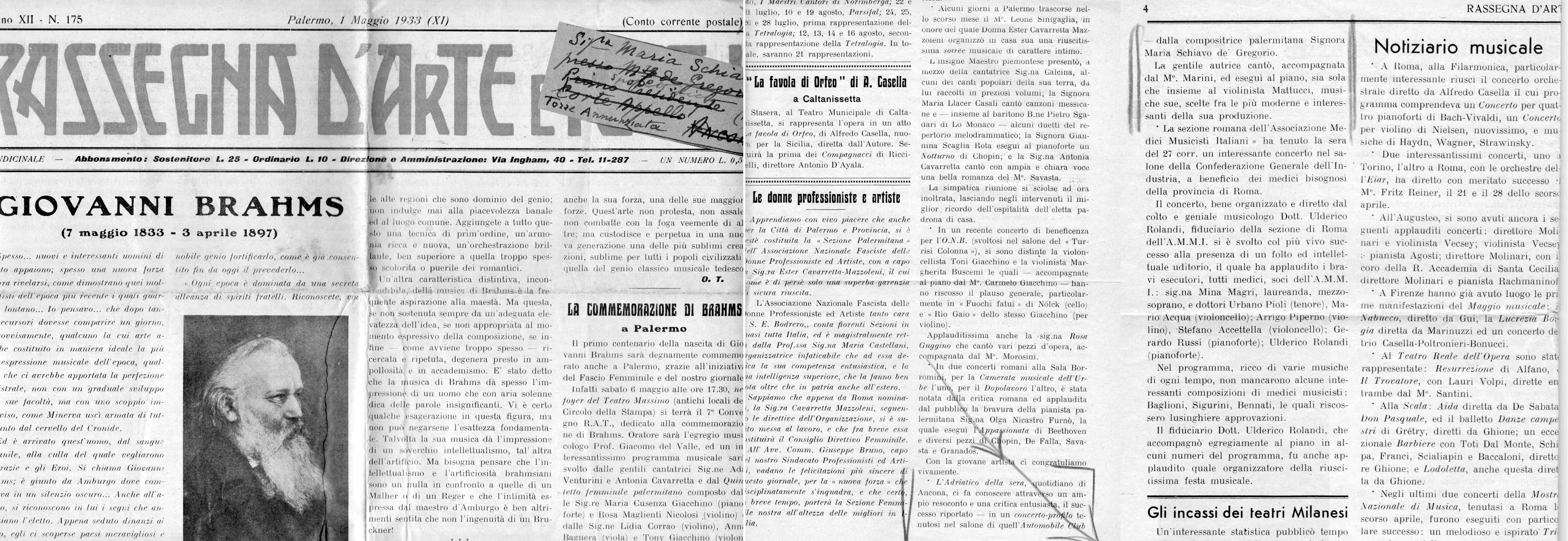
Many of her compositions, which she composes and publishes under the name of Maria Schiavo de Gregorio, are
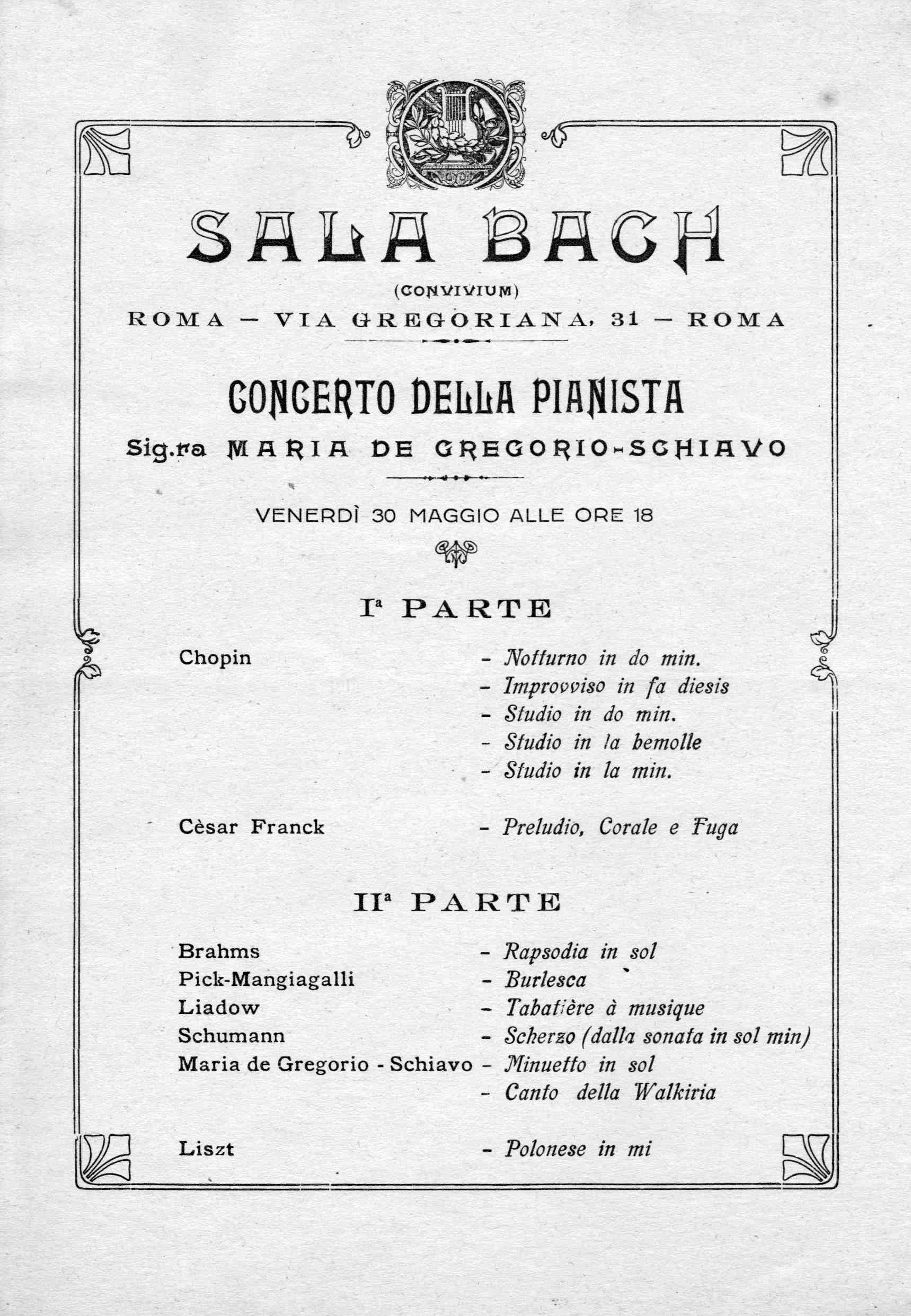
played, warmly received both by the public and the critics, in concerts she performes herself in Palermo,
Venice, Pesaro, Ancona, Naples, Rome and broadcast by the Italian Radio.
Her "Theme with variations" for
orchestra is performed in Baden Baden conducted by Maestro Théo Ziegler. In 1934, her "Aria" for orchestra
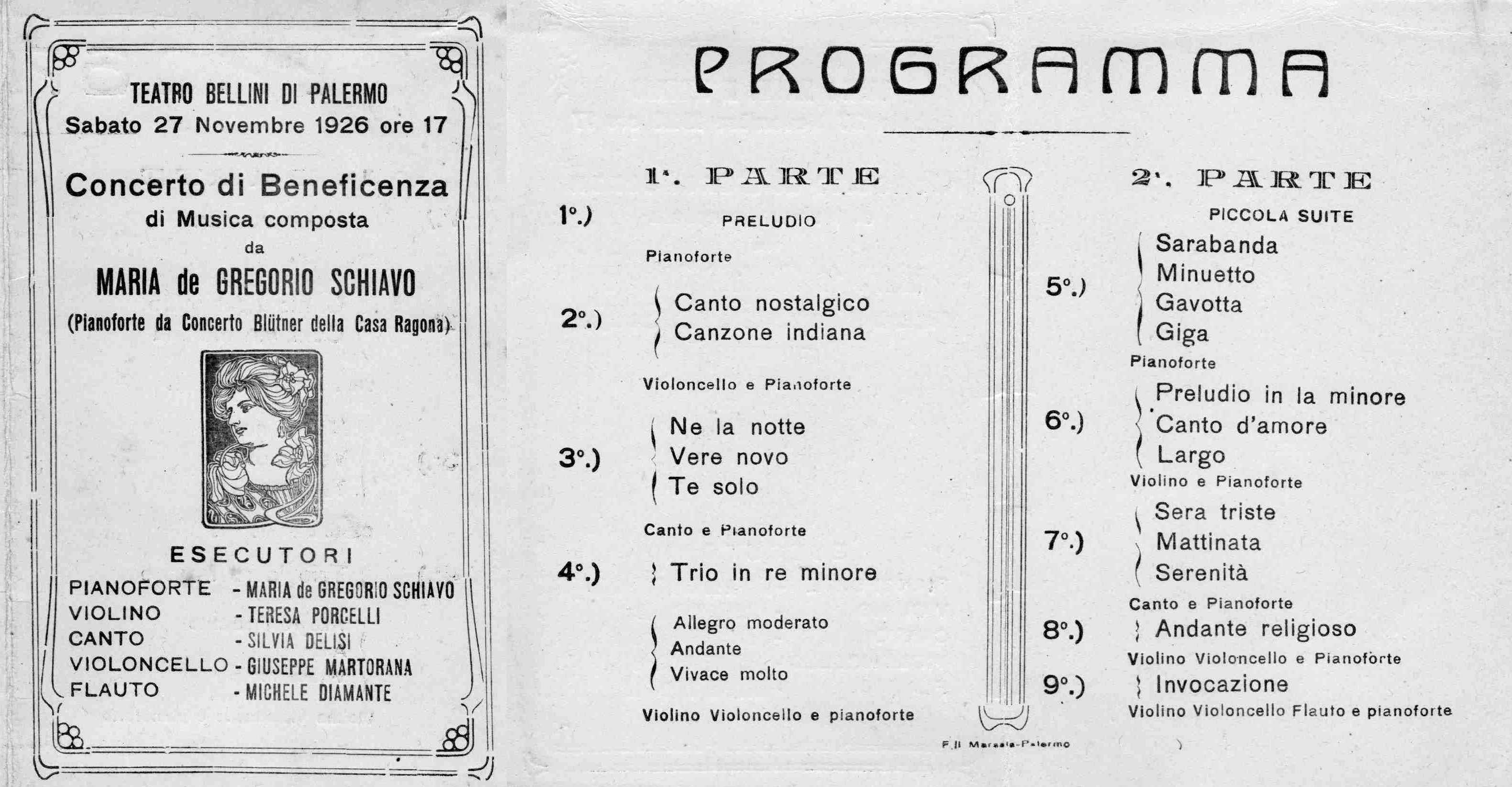
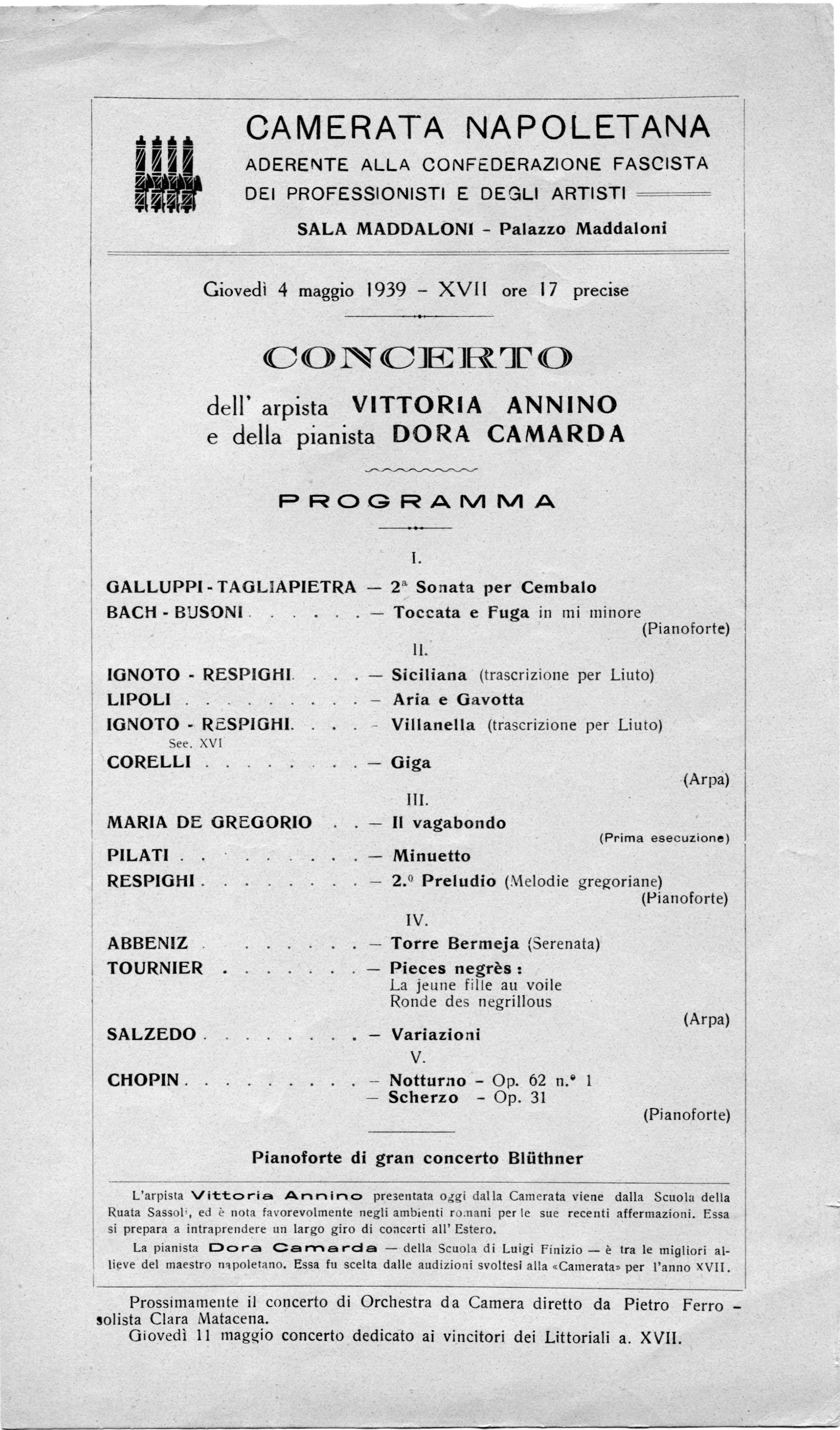
and her "Suite" for violin and pianoforte wins the second prize at a contest held by the Camerata Musicale
Napoletana.
"Her production shows innovative musical ideas which even anticipate composing solutions of the 2nd half of the '900, as the use of ancient references together with modern ones, and reveals an unusual creative intelligence and competence" - quote, statement of the Press Office of the Music Conservatory Alessandro Scarlatti (once Vincenzo Bellini) in Palermo, May 2018.
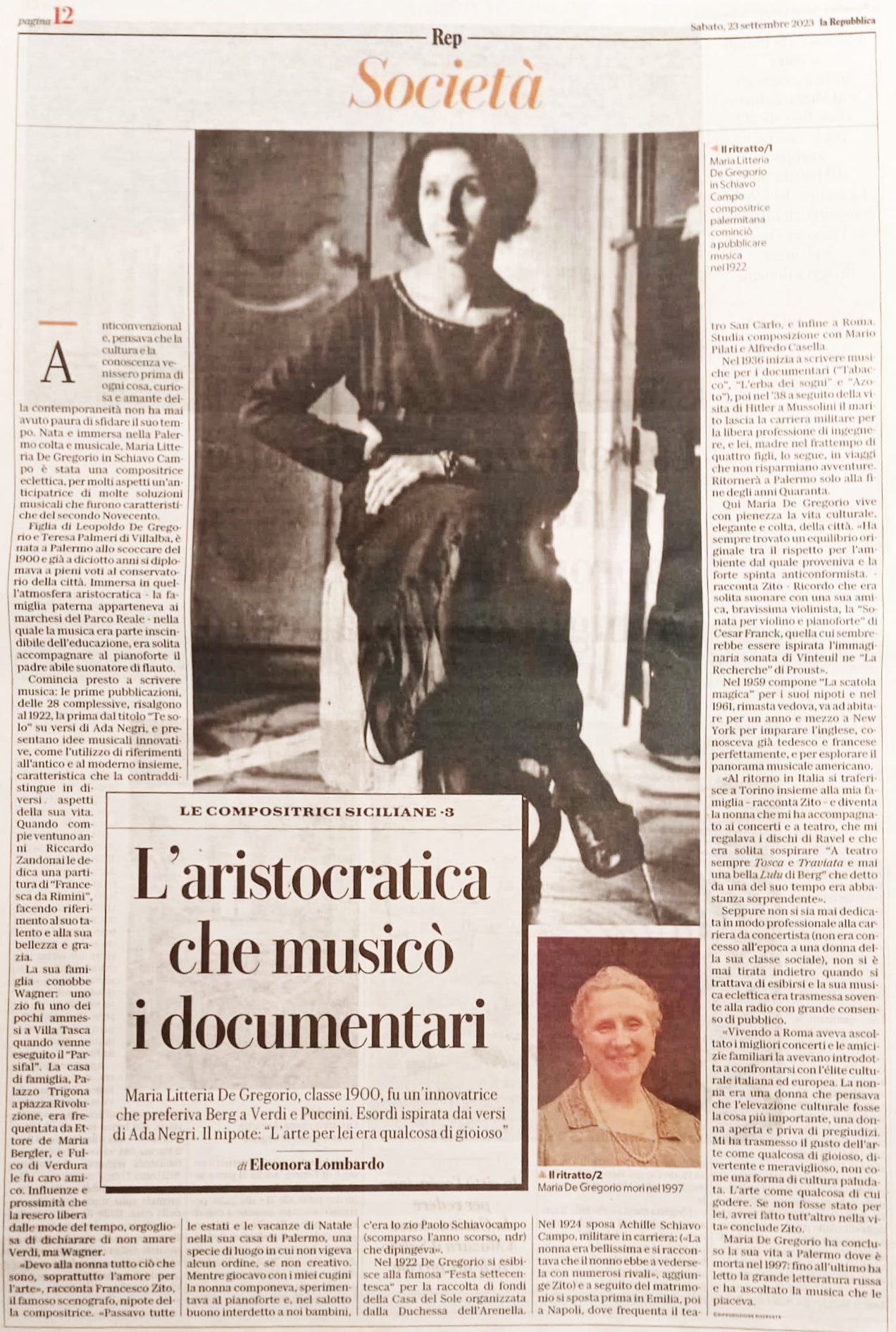
She is a woman free in her spirit and at the same time attached to the tradition and the way of life of her time. She spends her life throughout the 20th century, living through all the changes, developments and challenges of this historical period with the grace, courtesy and elegance typical of the ladies of her generation, but also with the strength, willpower and independence typical of the modern woman.
As far as music is concerned she relies on her personal taste. She is intuitive and her lively curiosity brings her to explore the non-conventional, revealing freedom of opinion in appreciating her contemporary music, a cultural inclination unusual for a woman of her generation.
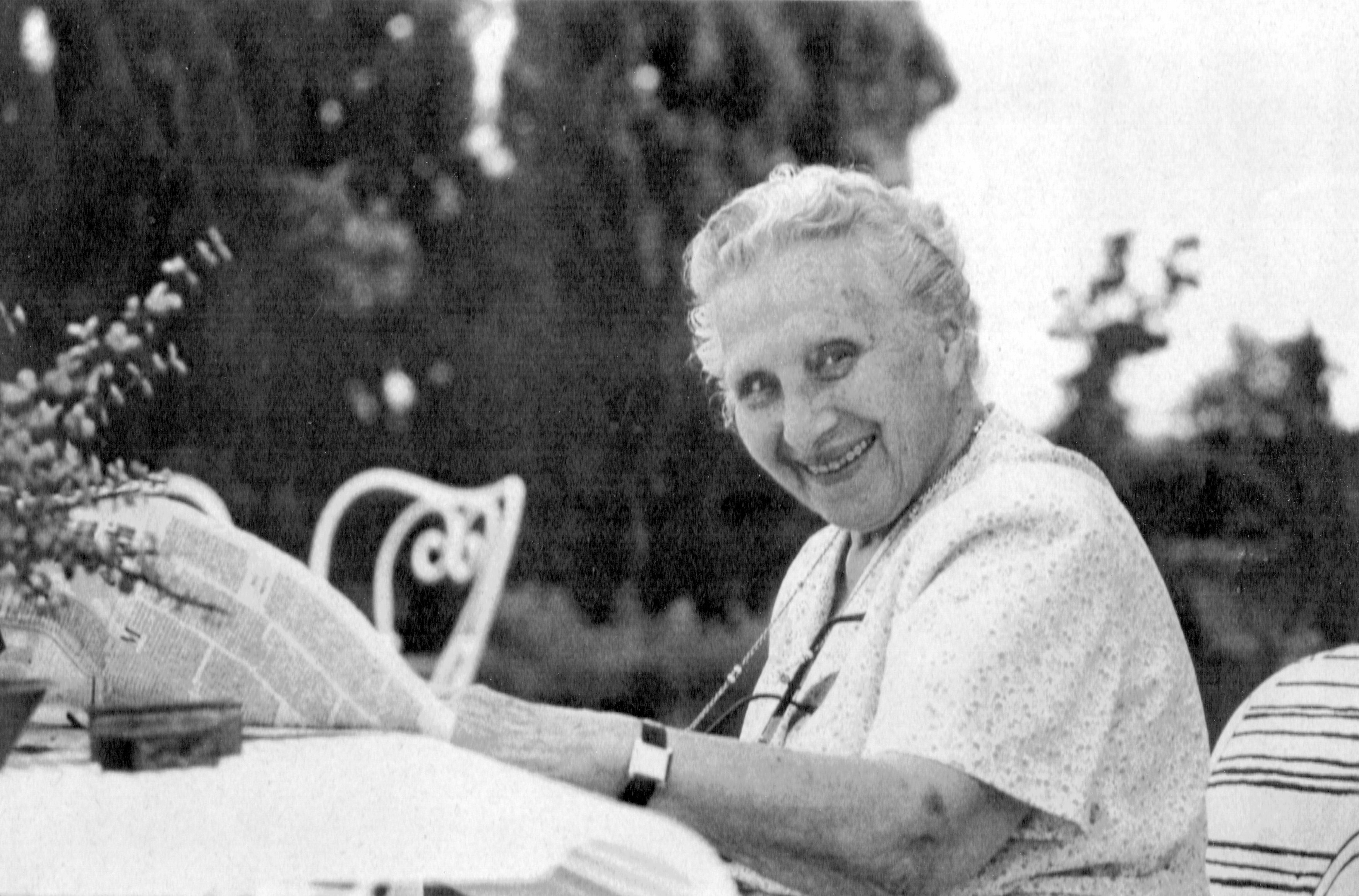
She dies in Palermo on 22 July 1997.
Biography
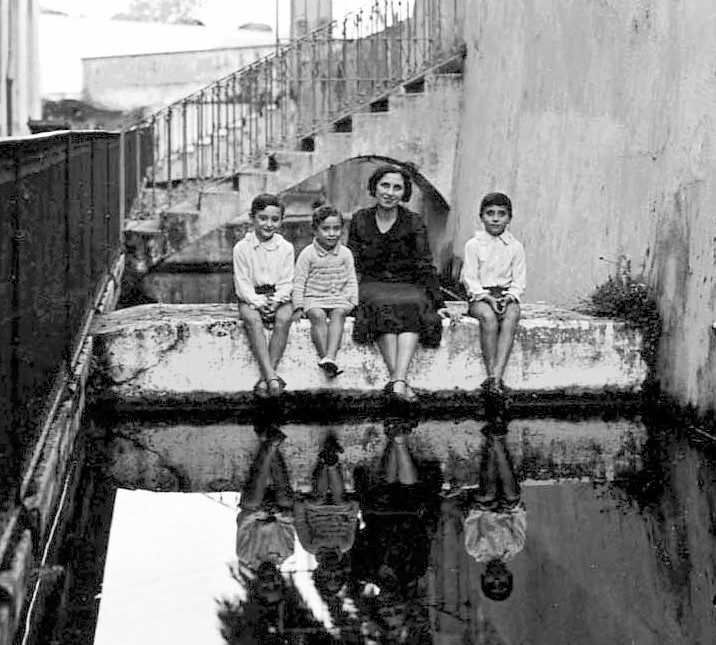
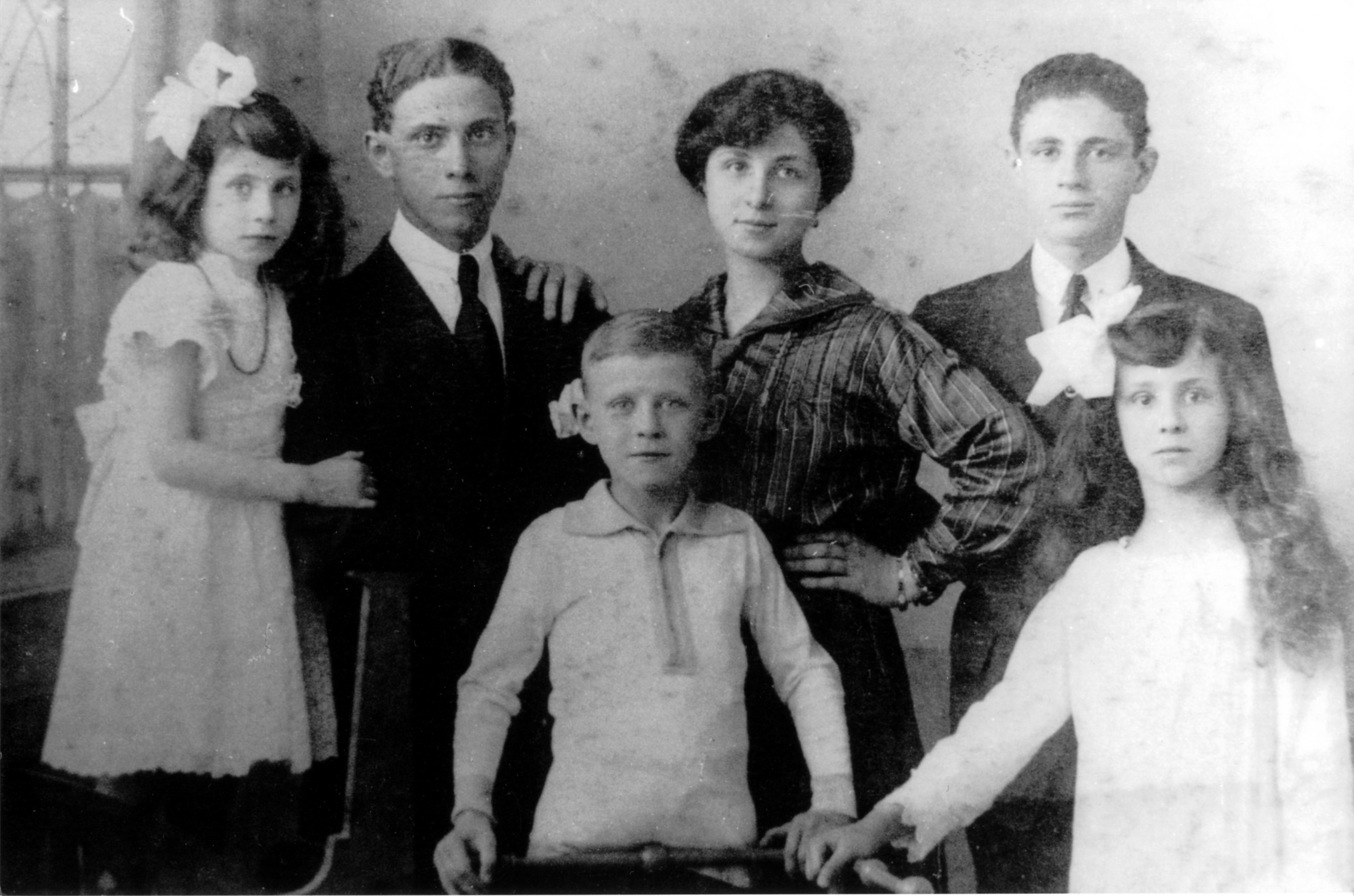
Maria de Gregorio is born on 13th February 1900. Her parents are Leopoldo de Gregorio Marquess of the Holy Roman Empire and of the Parco Reale and Lady Teresa Palmeri daughter of the Marquess of Villalba. She is the second of six children.
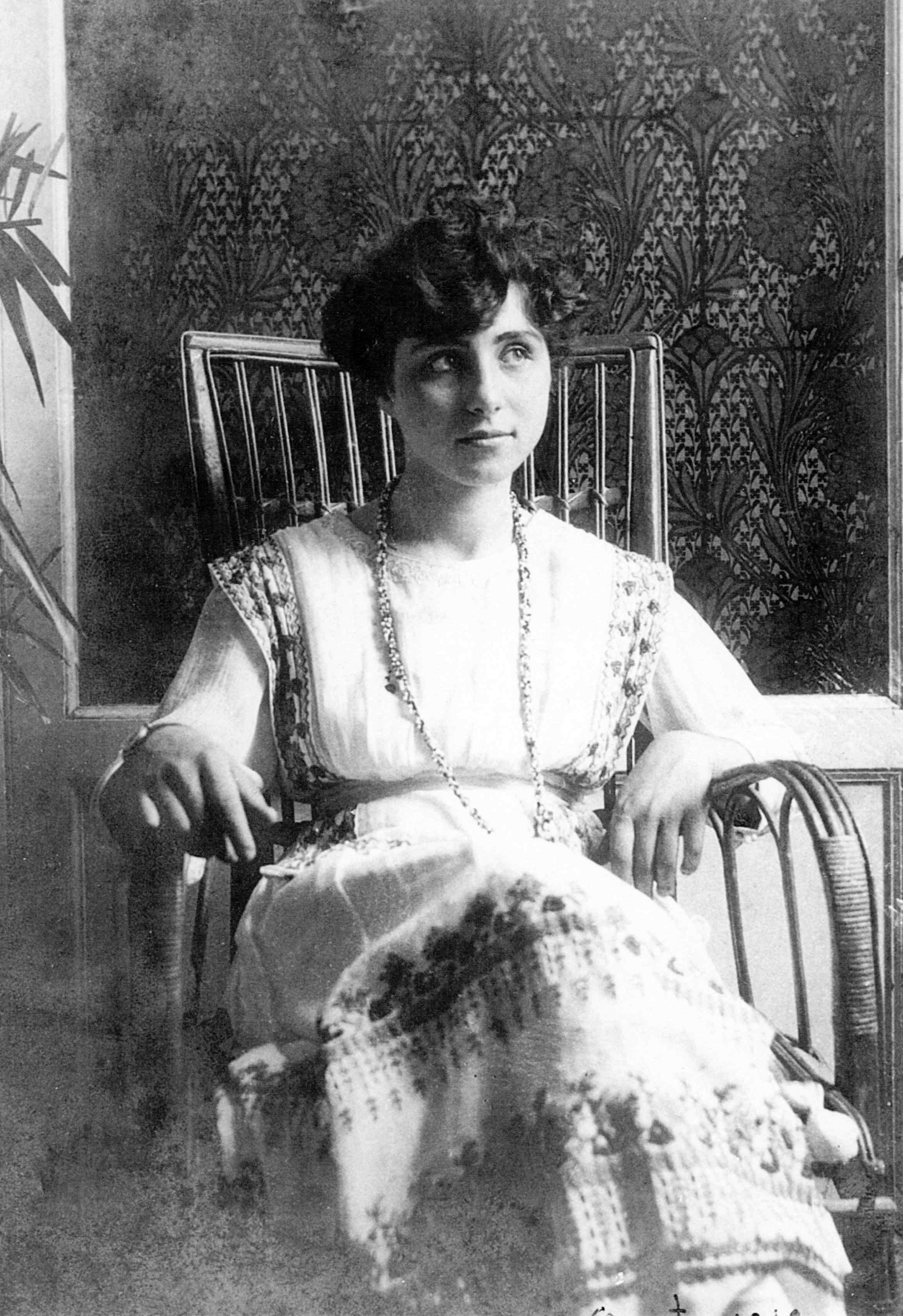
She spends her childhood and earliest youth in Palermo, where she studies pianoforte with Maestro Guido Alberto Fano. In 1918 she graduates from the Music Conservatory Vincenzo Bellini in Palermo with first-class honours.
She then studies composition with Maestro Mario Pilati and Maestro Alfredo Casella.
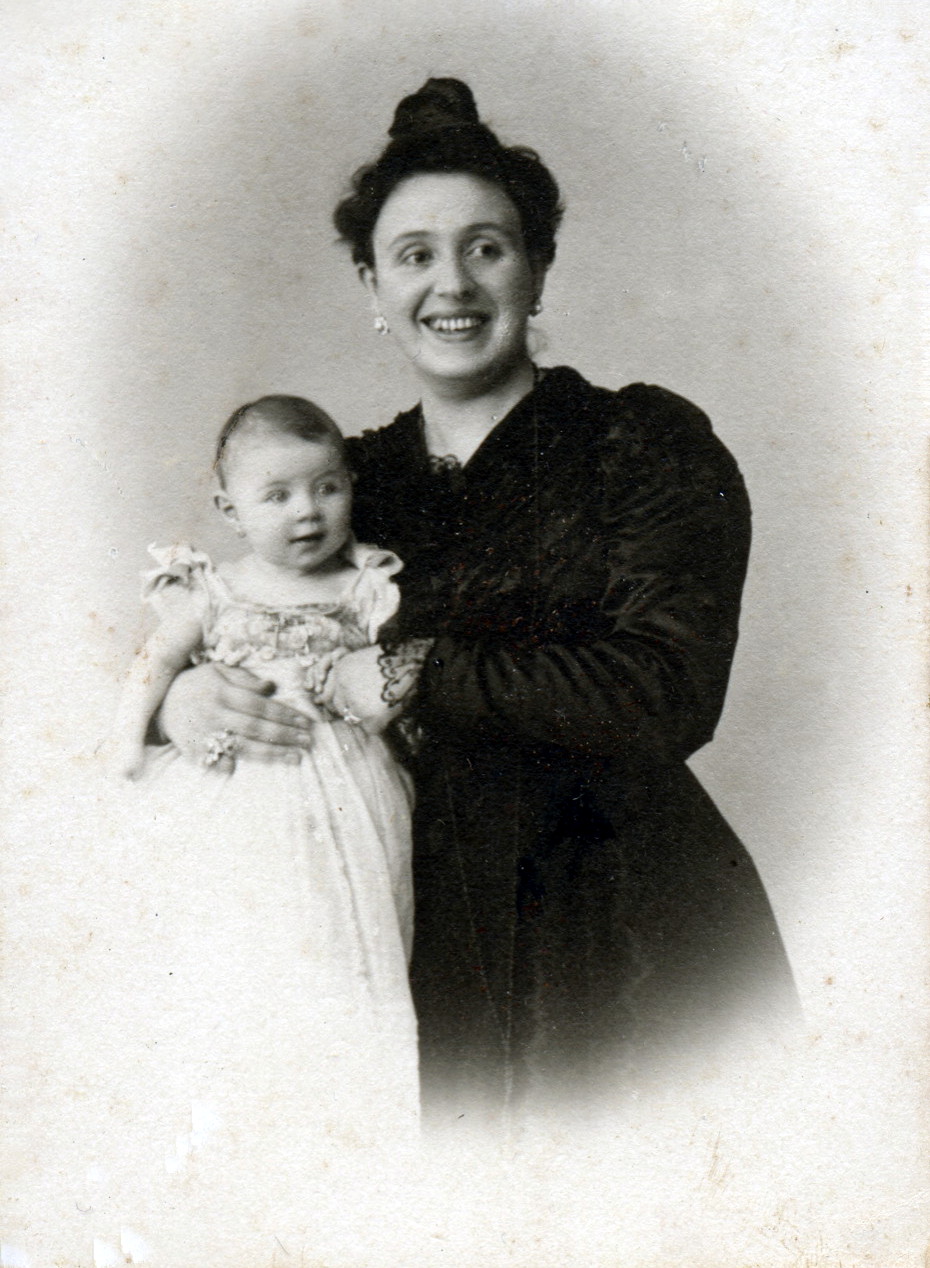
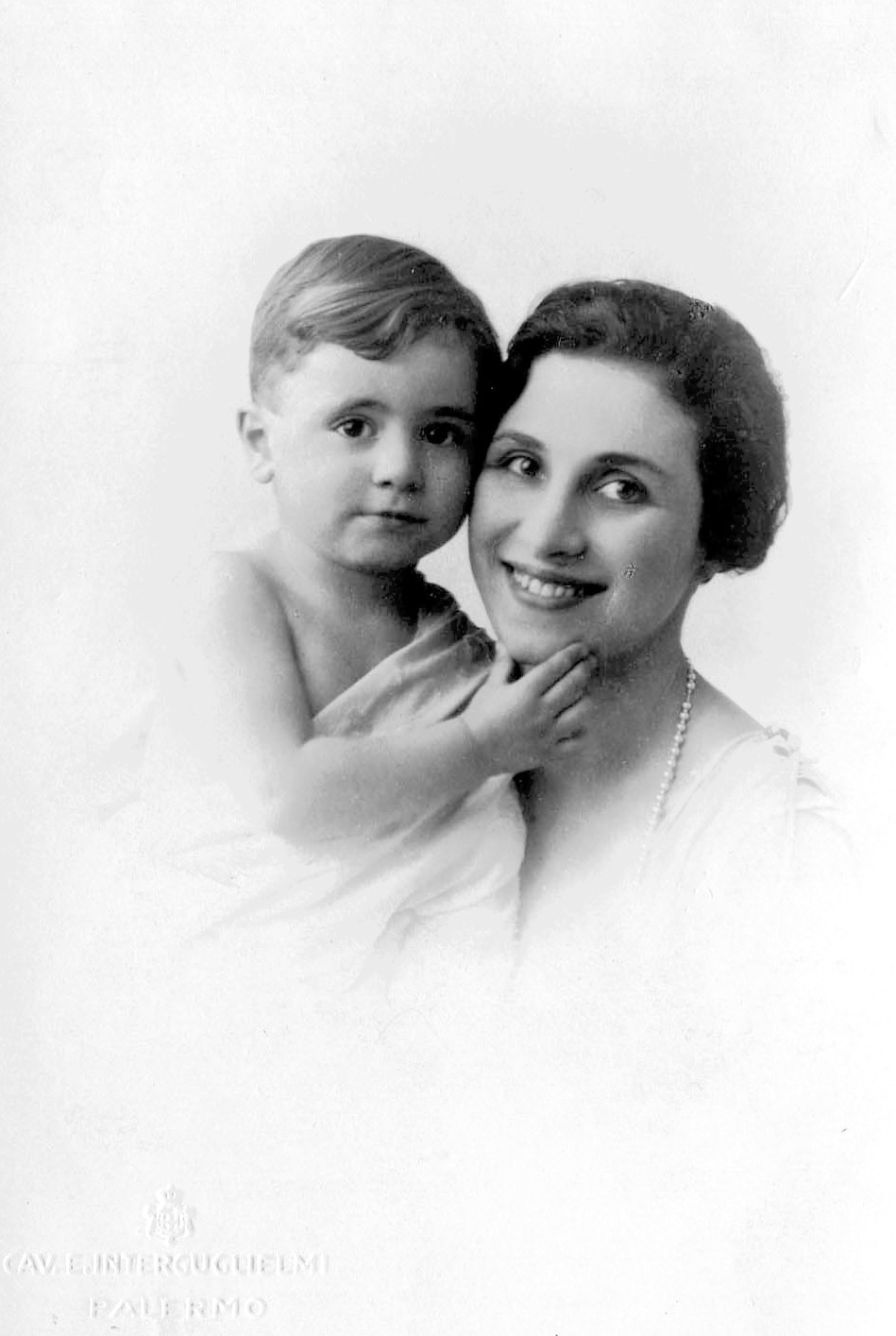
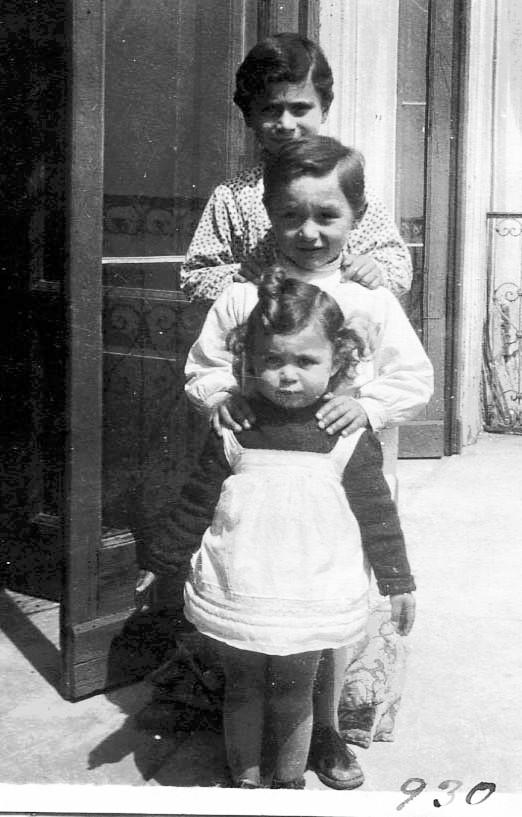
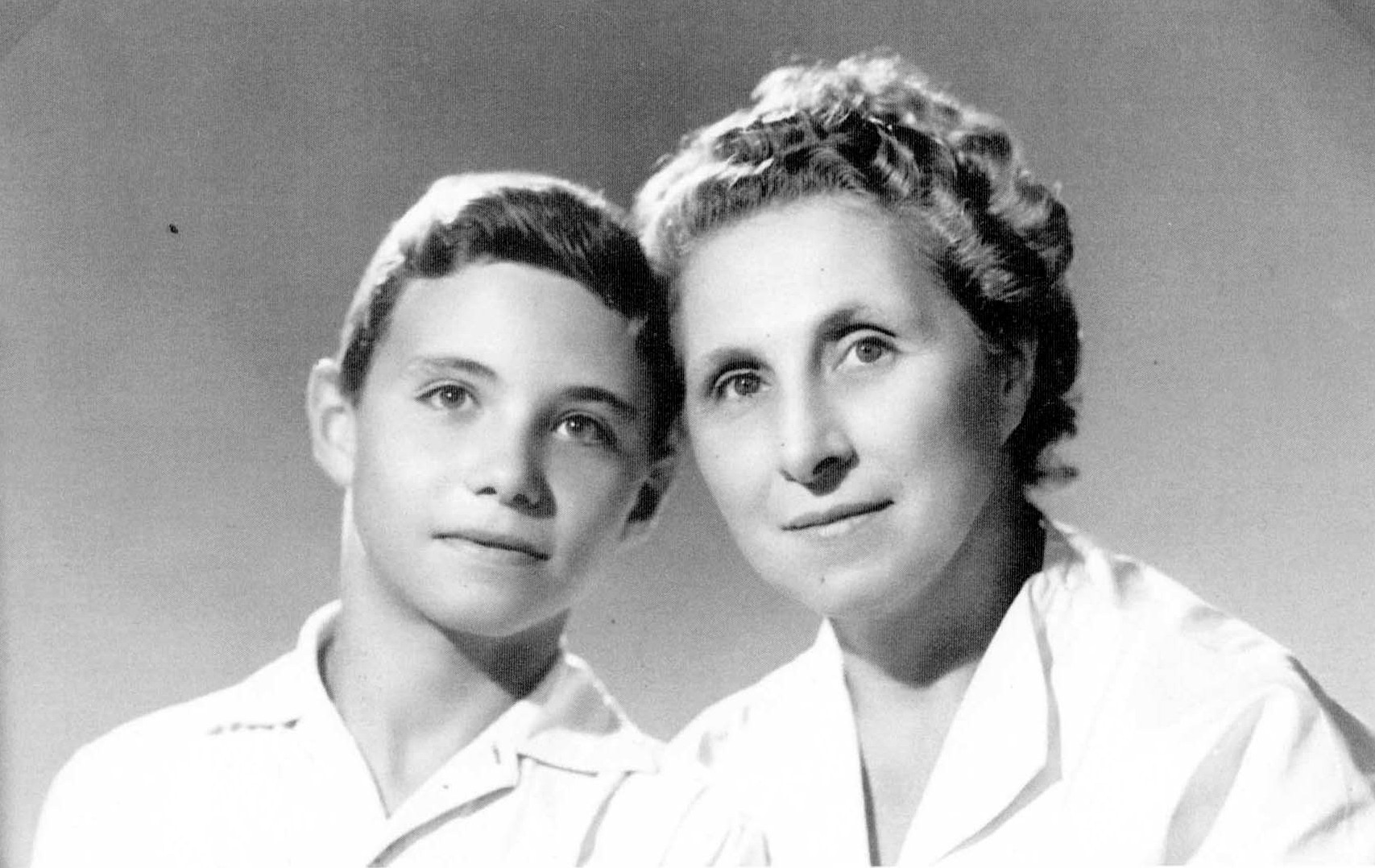
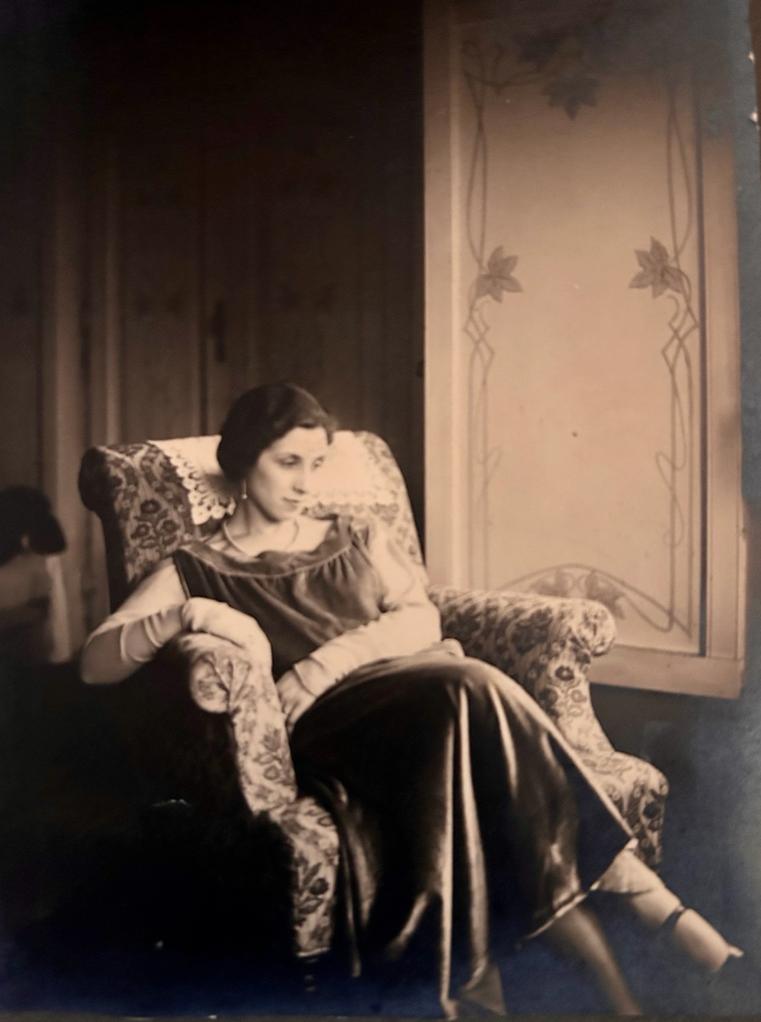
Maria with her mother Teresa, Palermo 1900
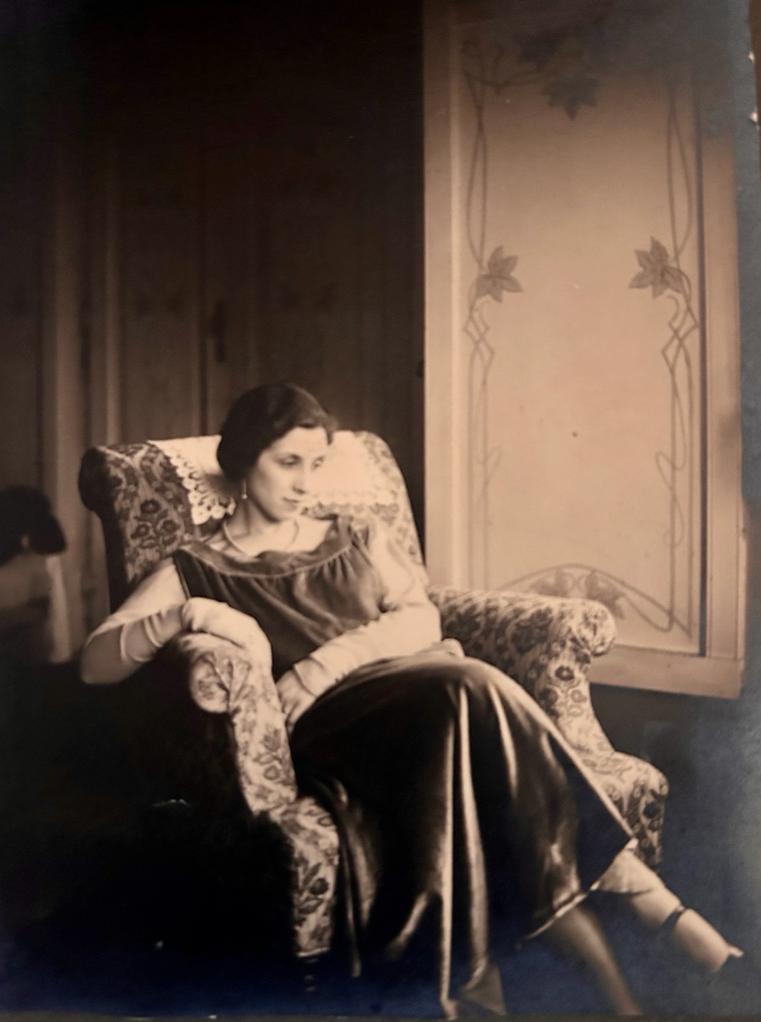
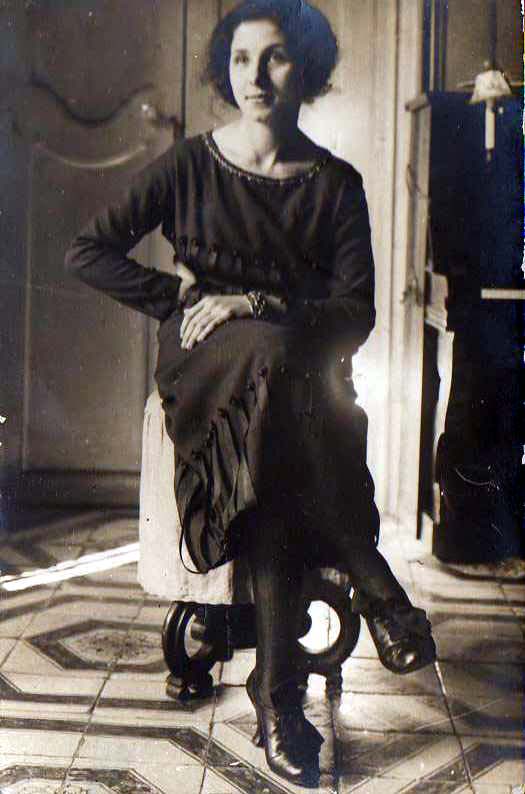
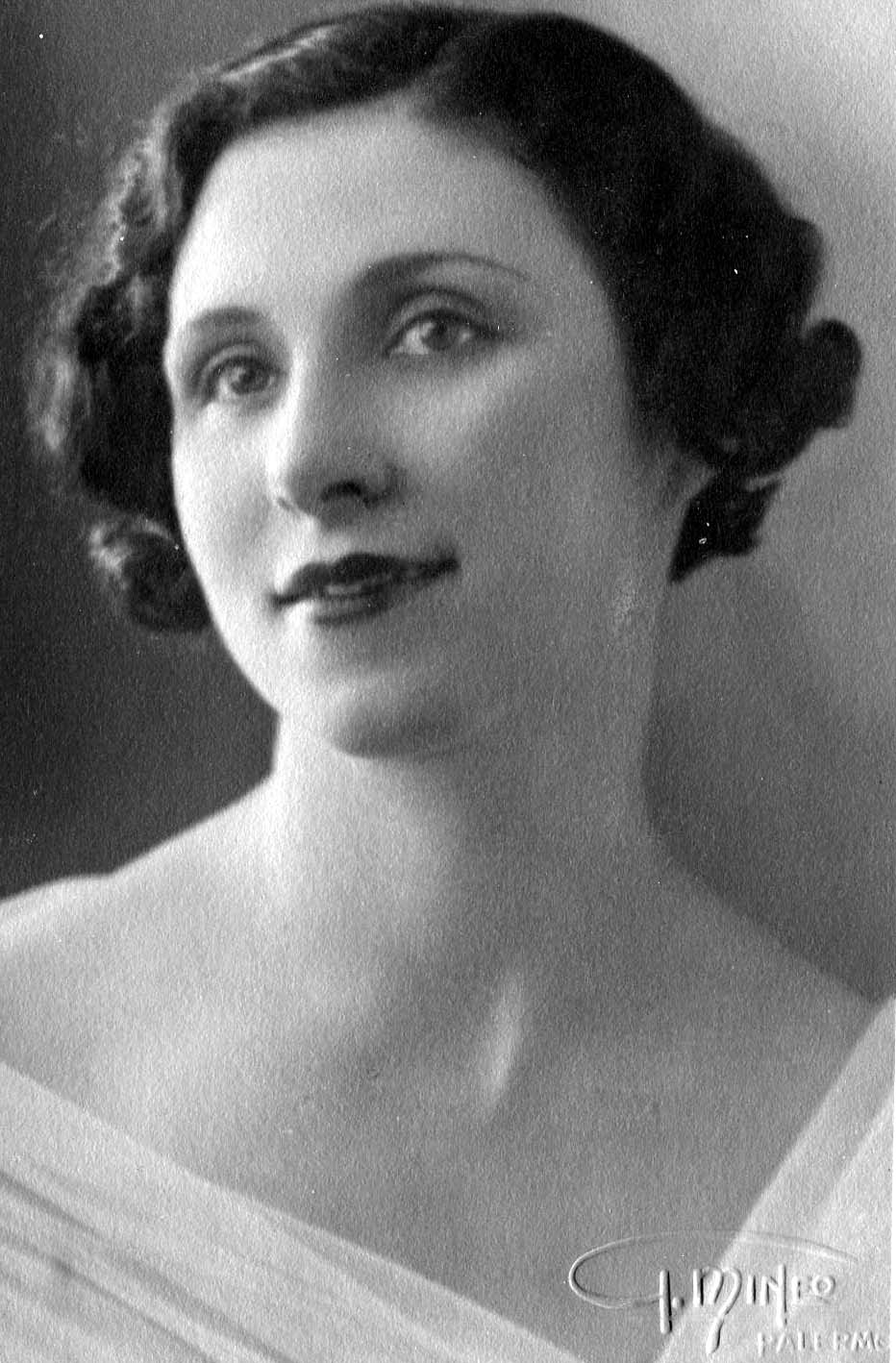
Palermo 1918
She grows up in a family which is very important from a social and cultural point of view. It belongs to that cultured aristocracy, which, at the time in Palermo, is much more cosmopolitan than in the other Italian cities.
She breathes in music and art from early childhood and she appreciates and acquires a European education at a time when Italy is still a provincial country on the edge of Europe.
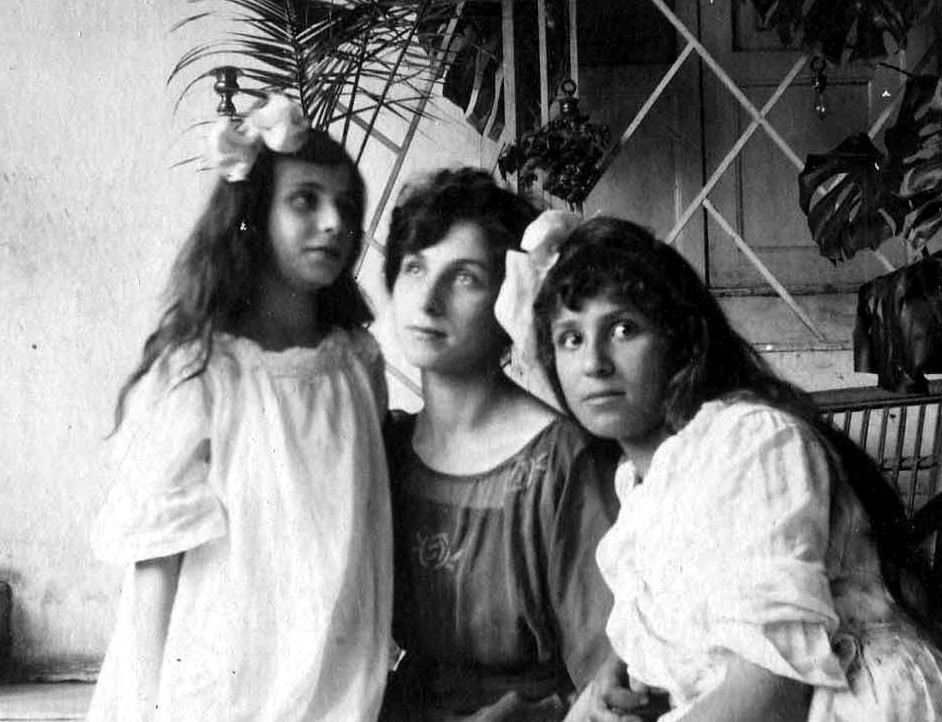
Among those who regularly visit her house when she is a girl, to name only some, are Maestro Francesco Lojacono, her father Leopoldo's painting teacher; Maestro Alfredo Casella, with whom she studies composition; Ettore de Maria Bergler, the author, among other things, of the tableaux vivants in which she takes part, at Palazzo Gangi; Fulco di Verdura, a good friend of hers.
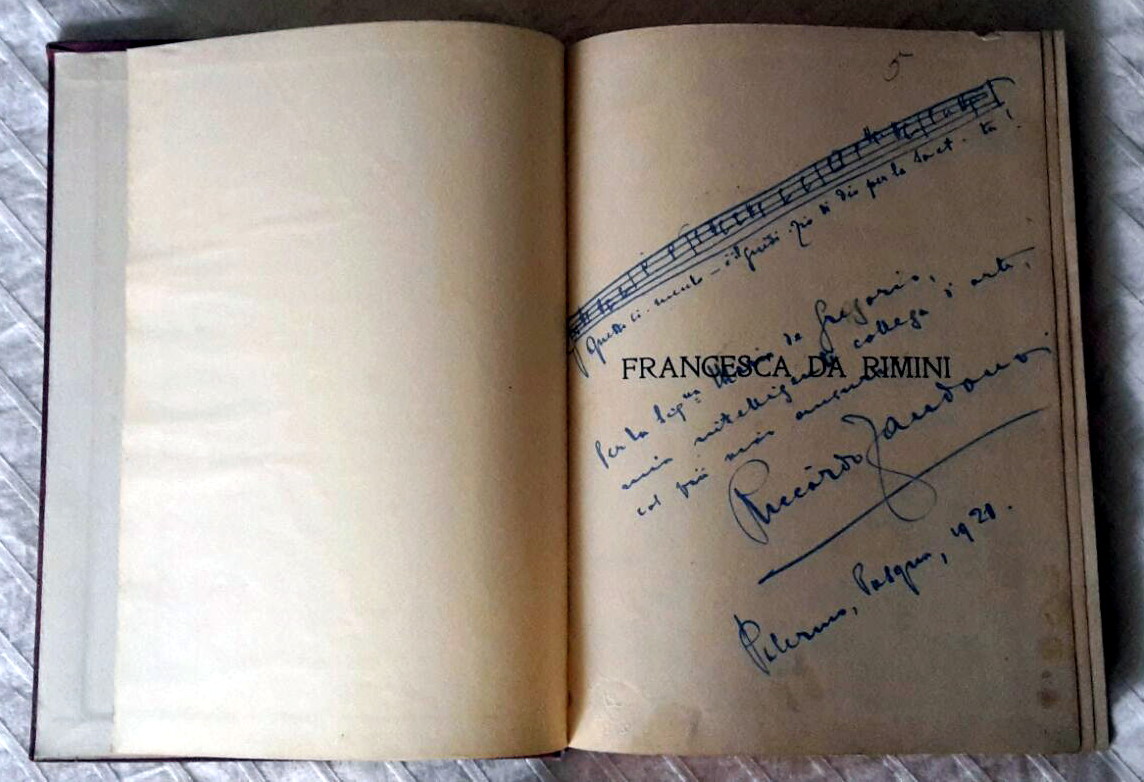
When she is 21 years old, Riccardo Zandonai, shows his appreciation dedicating a score of his "Francesca da Rimini" to her.
Her father Leopoldo plays the flute and shares her love for music. They very often play together
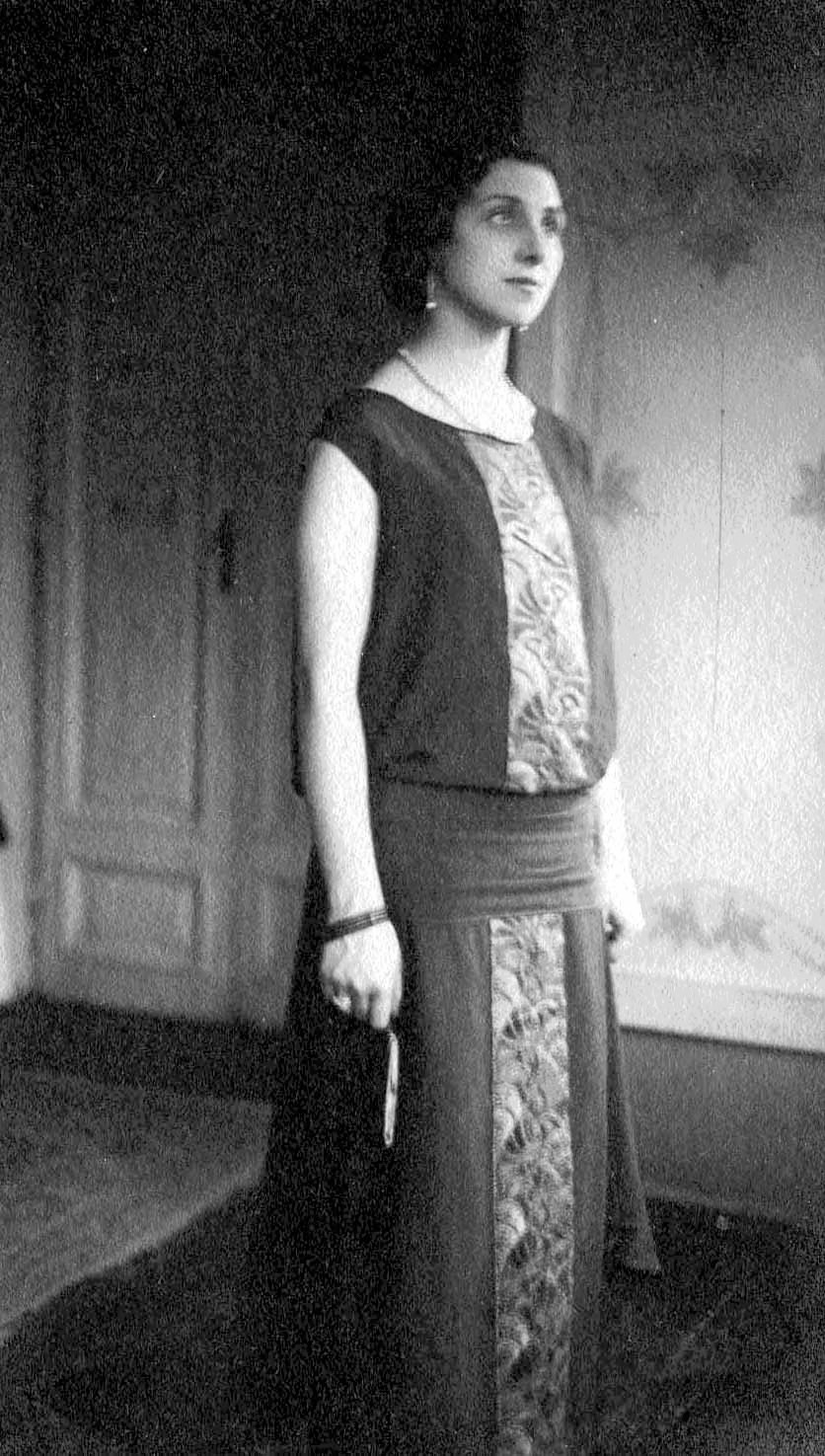
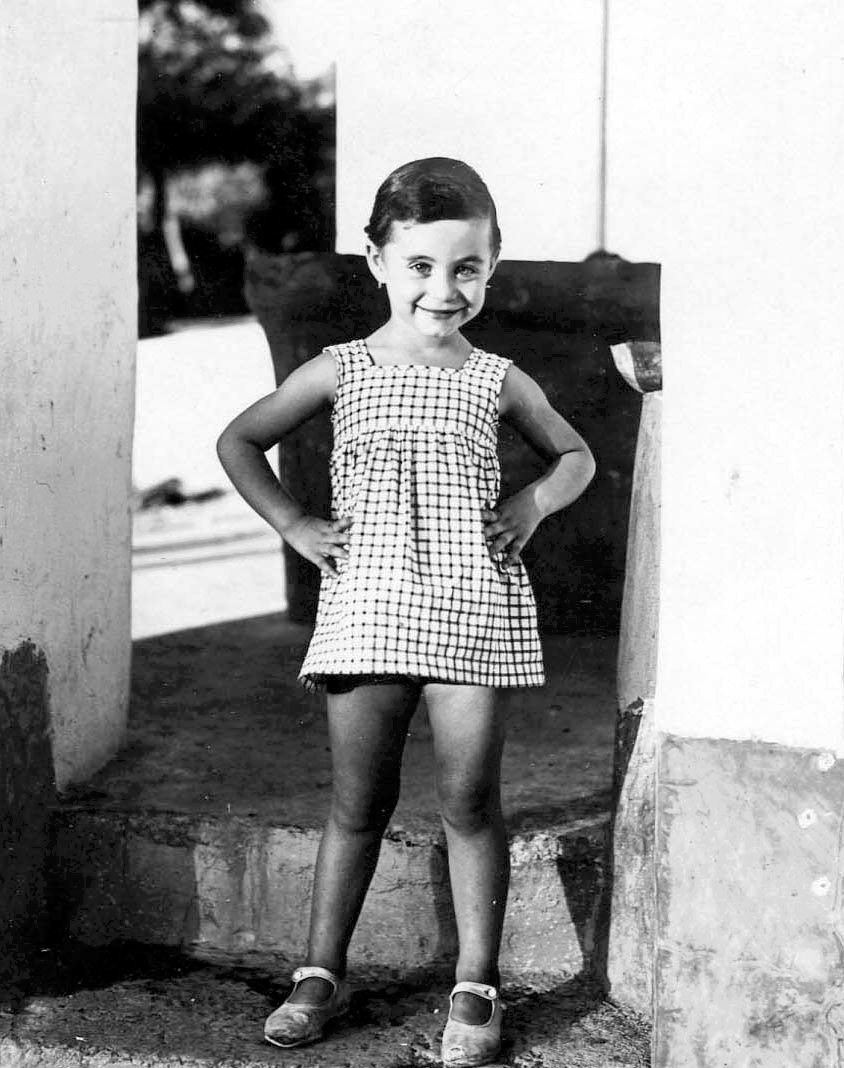
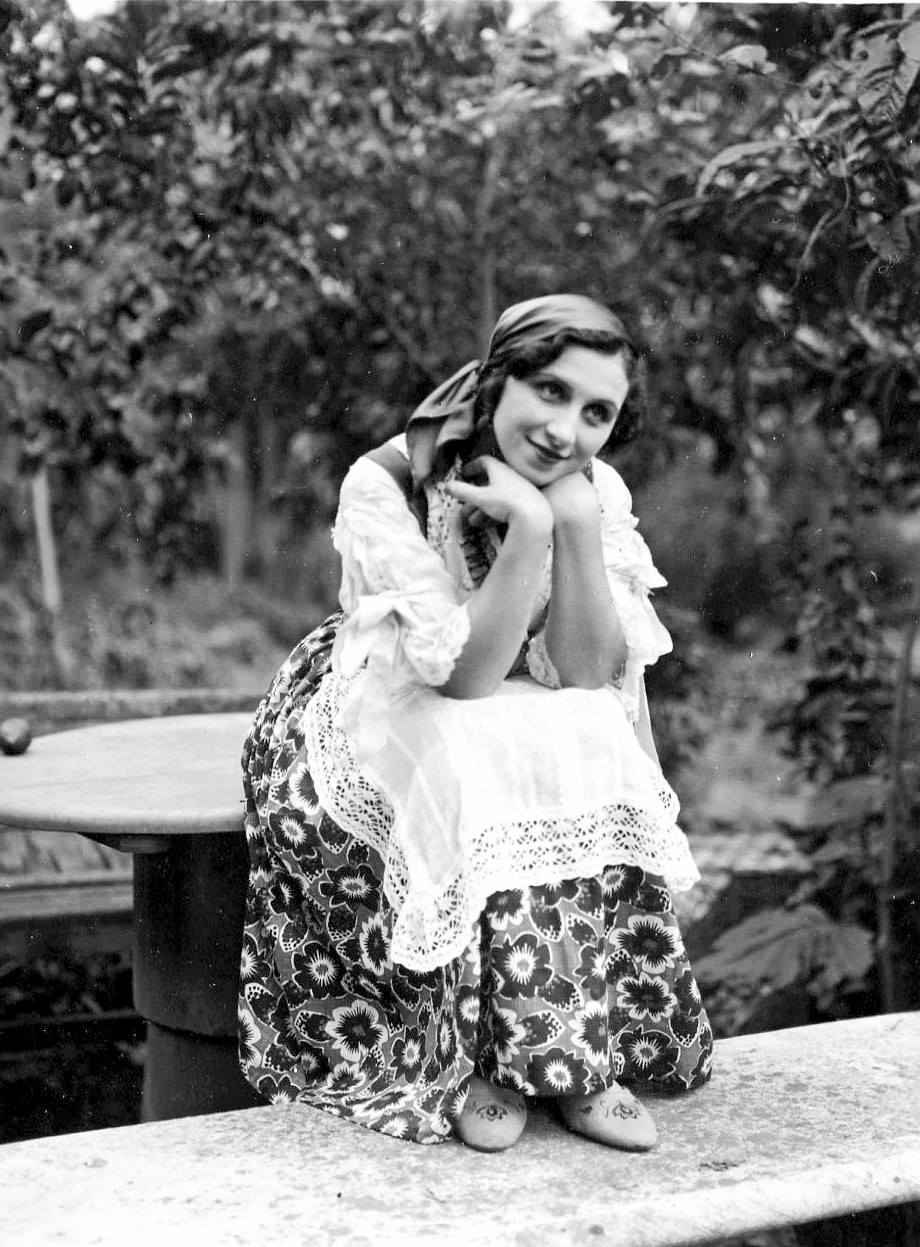
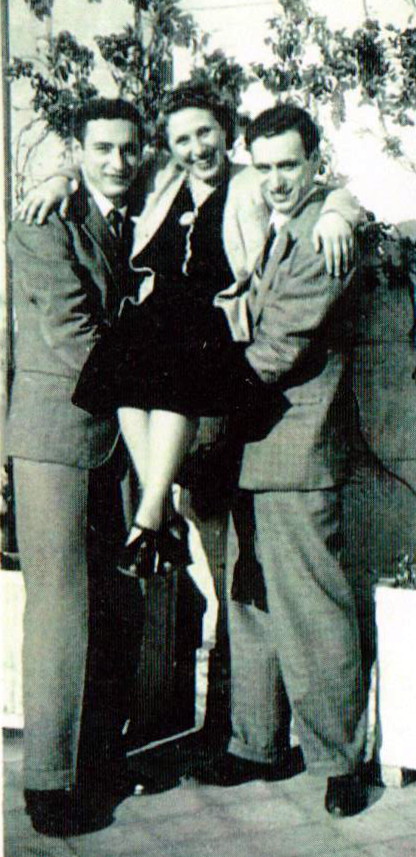
Palermo 1920
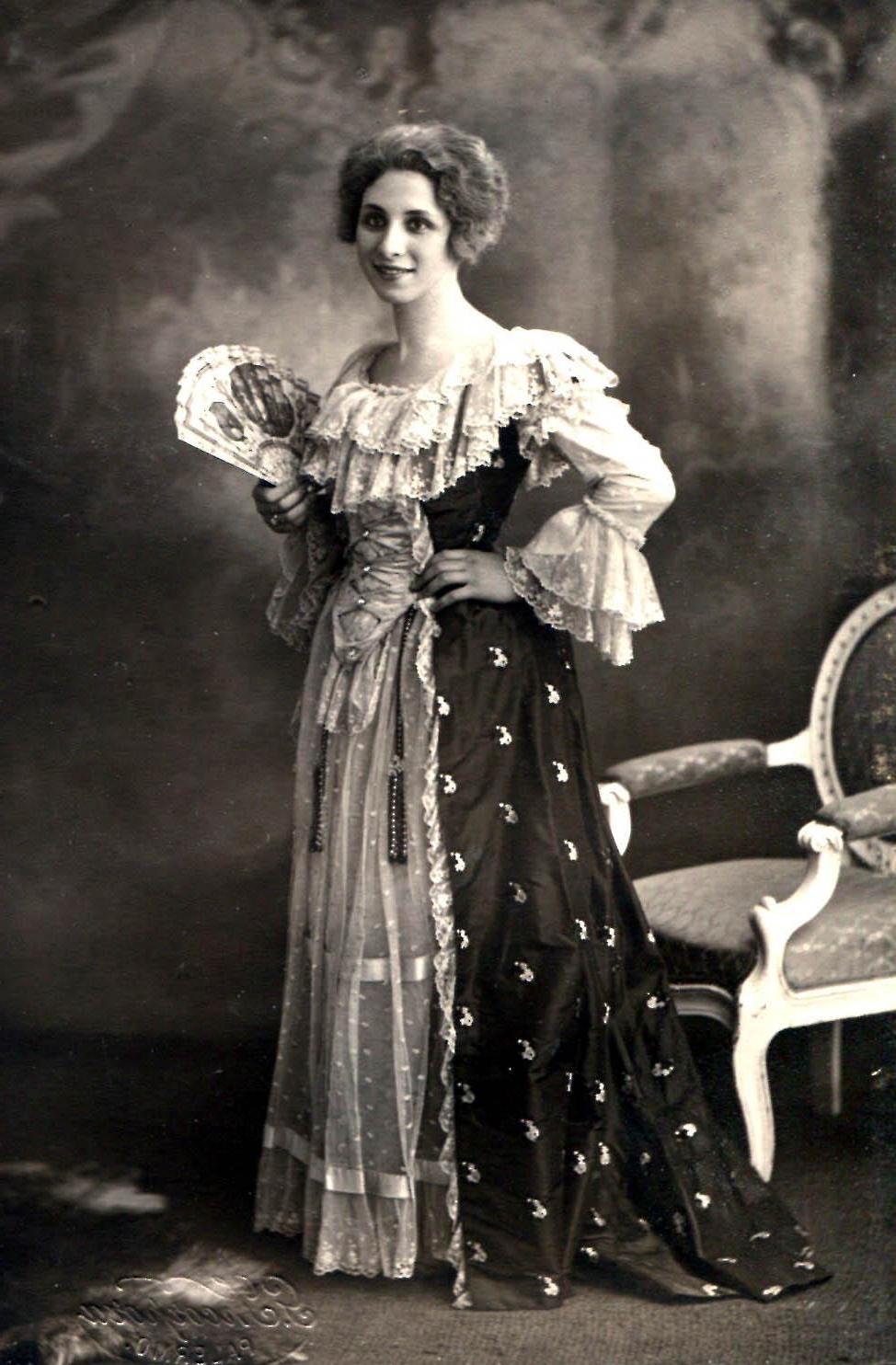
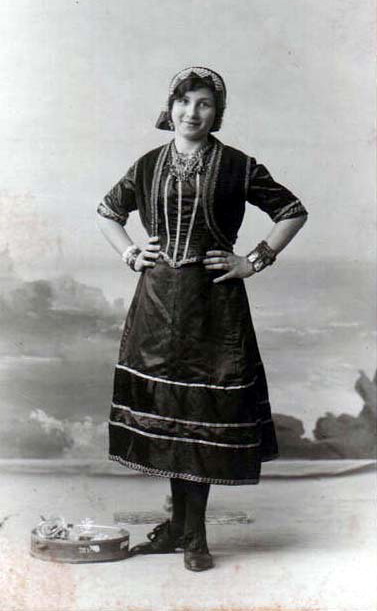
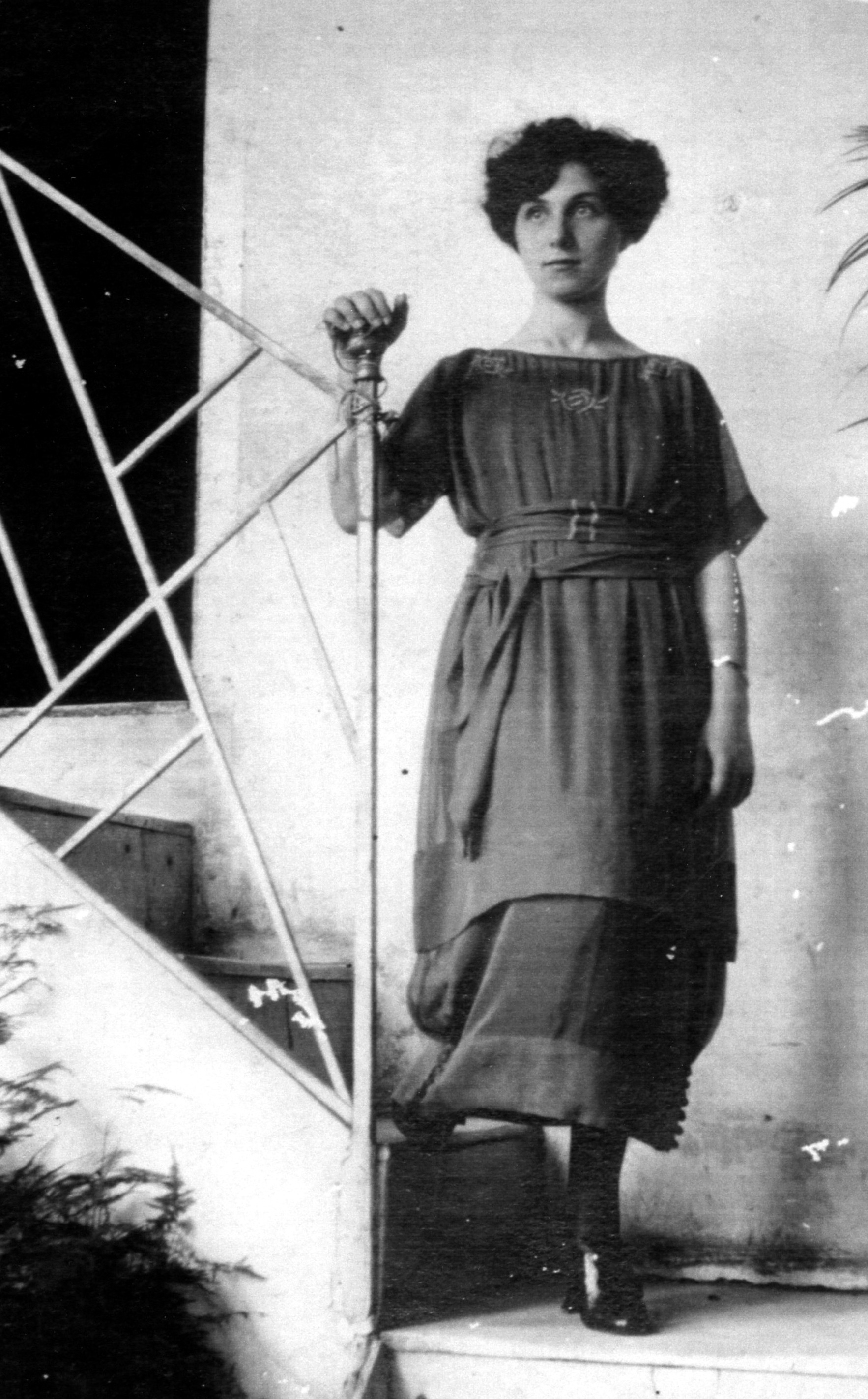
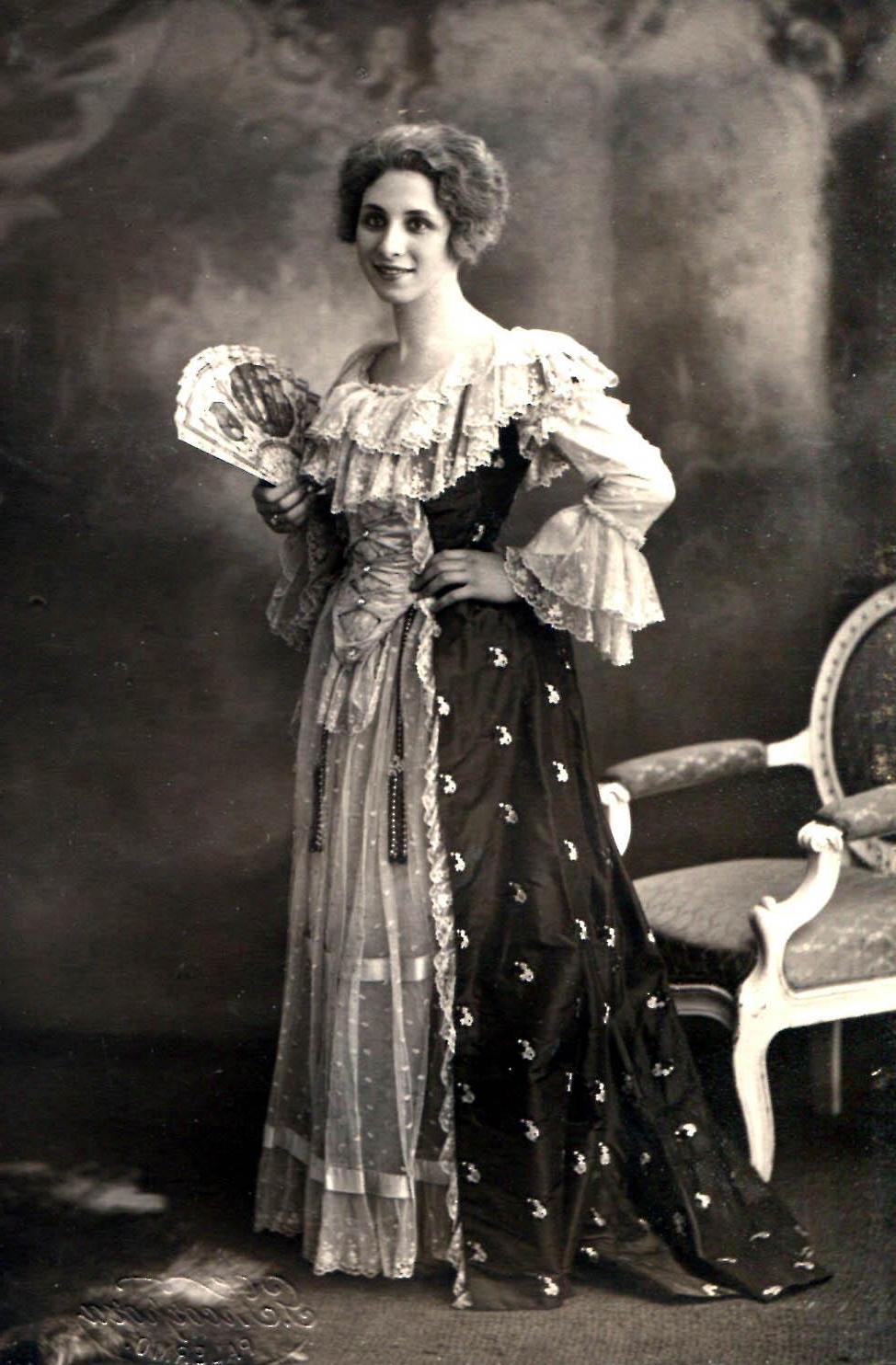
Palazzo Gangi, Palermo 1922
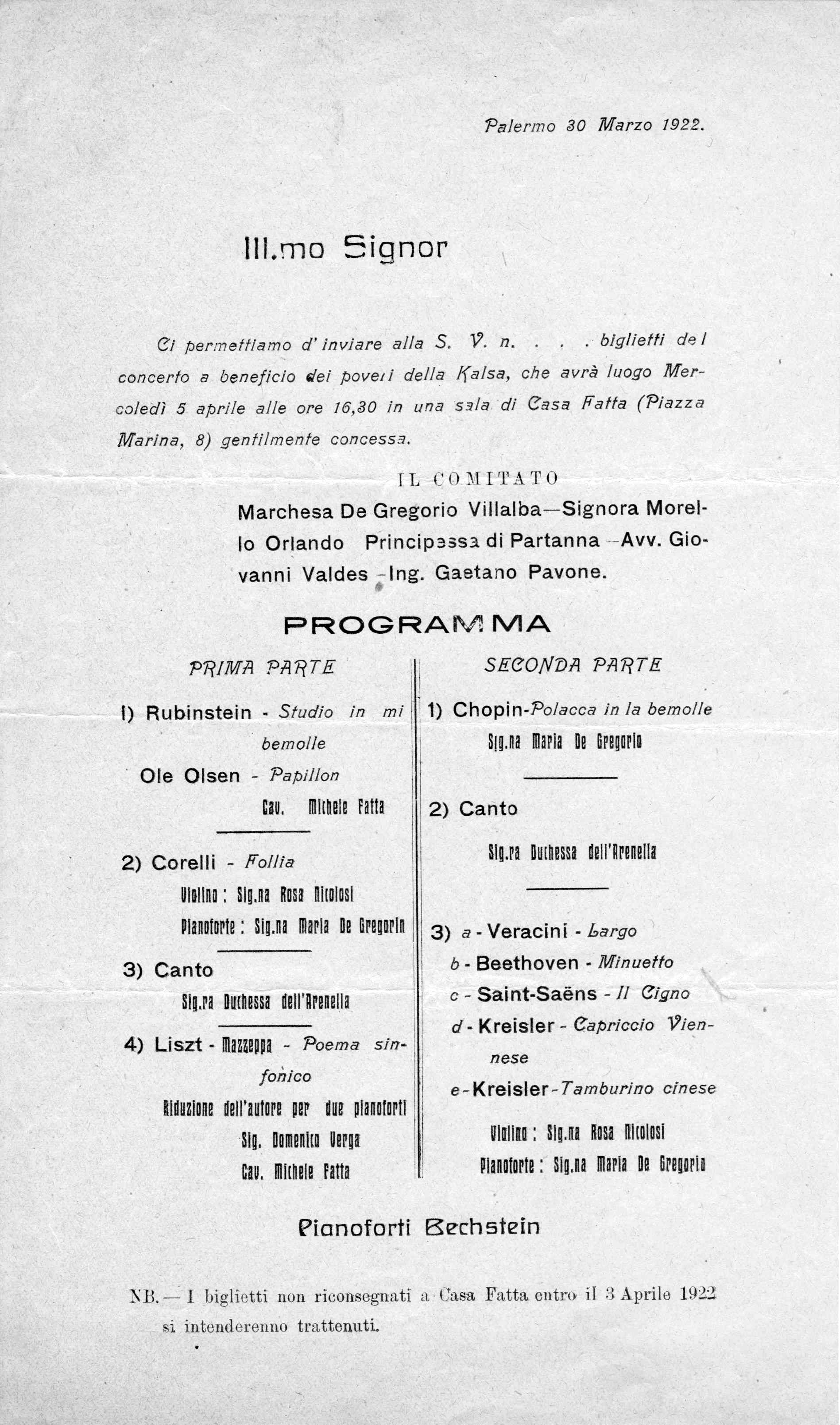
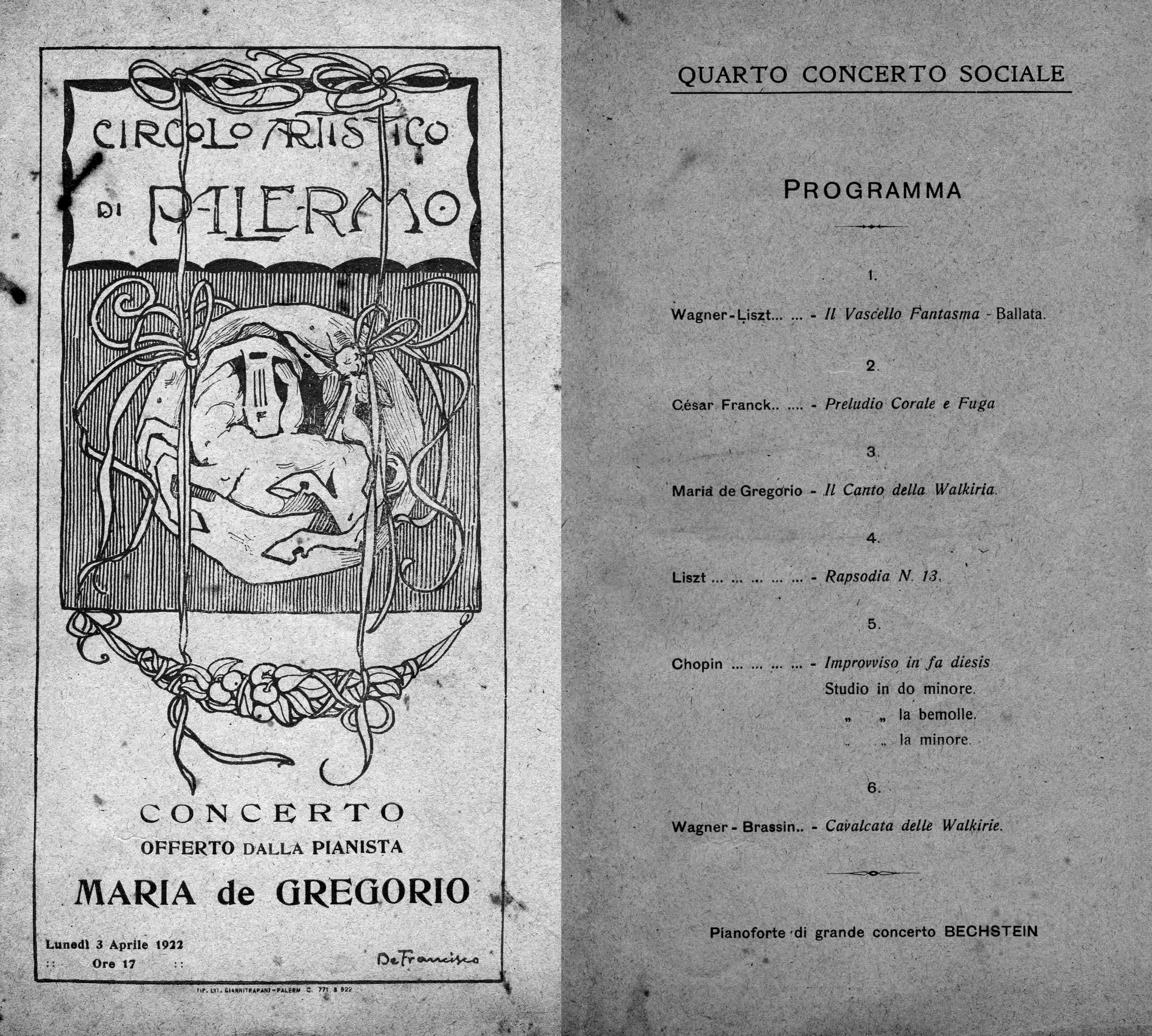
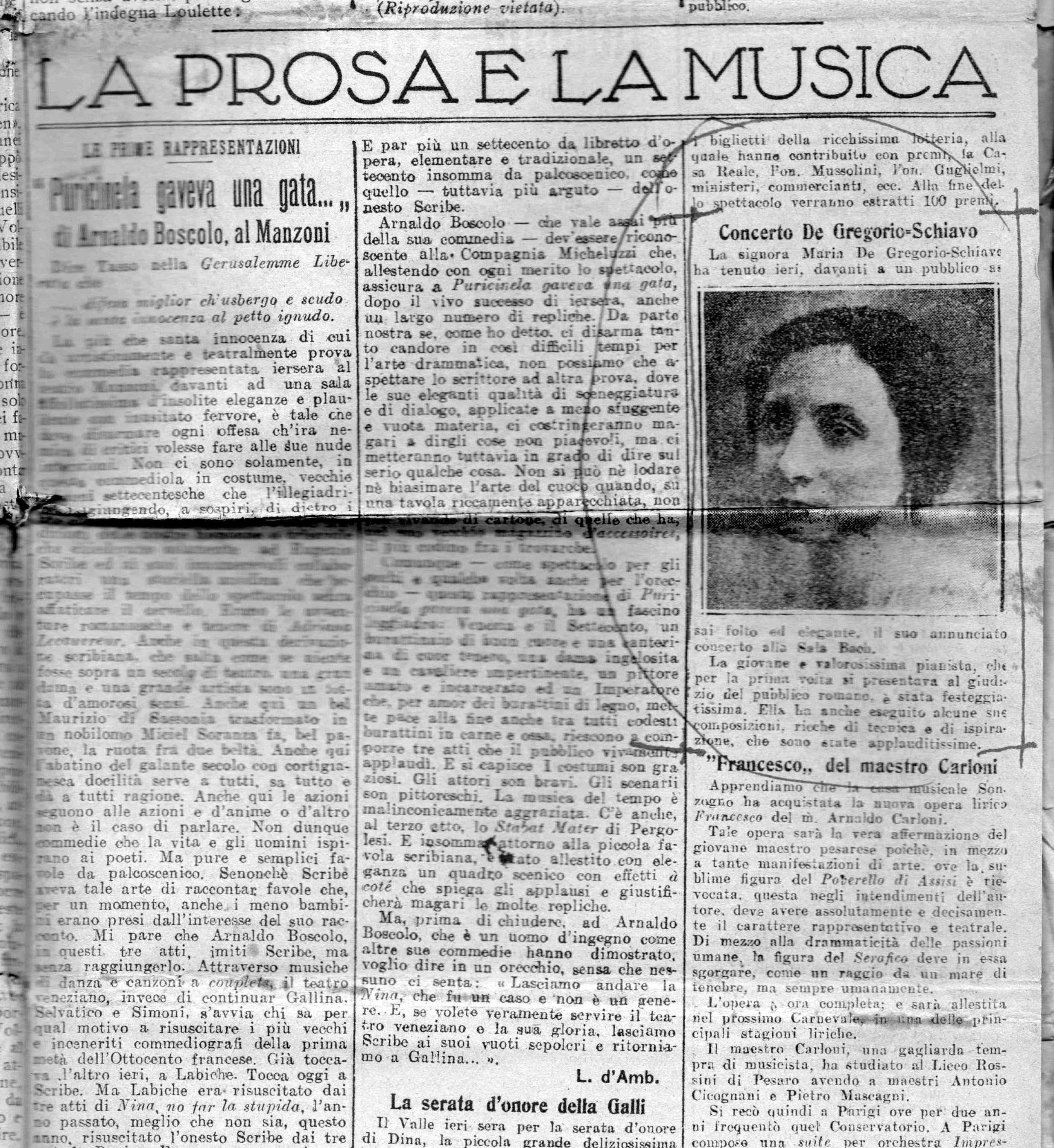
As a pianist, she often appears in the city news when she performs on social occasions; like the famous "Eighteenth-Century Party" to collect funds for Ignazio and Manfredi Lanza's Casa del Sole, hosted, in June 1922, by the Duchess of Arenella, Beatrice Mantegna di Valguarnera. The concert is organized by Benedetto Morasca. (Quote: Nell'ombra - L'arte femminile tra '800 e '900)
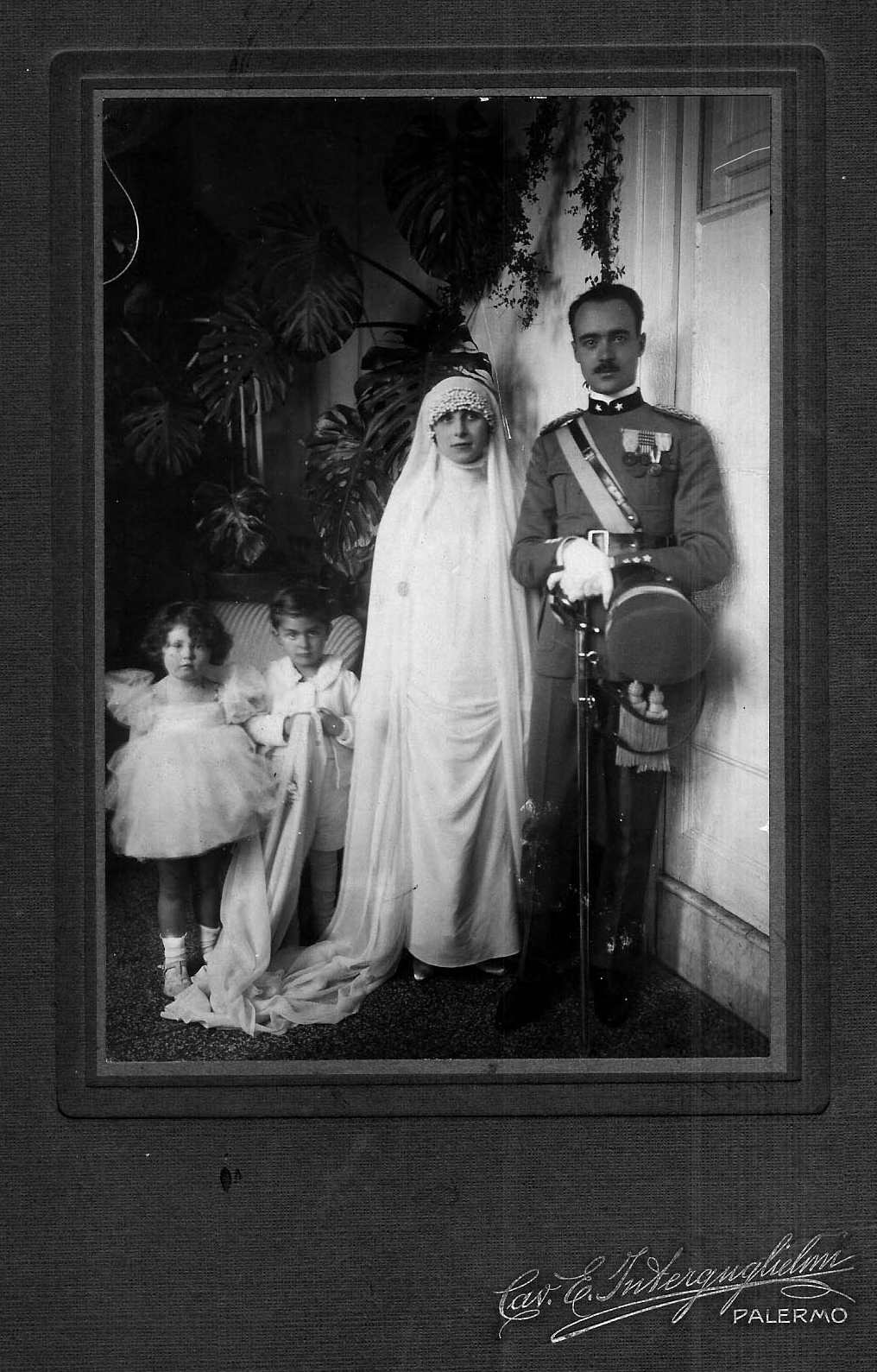
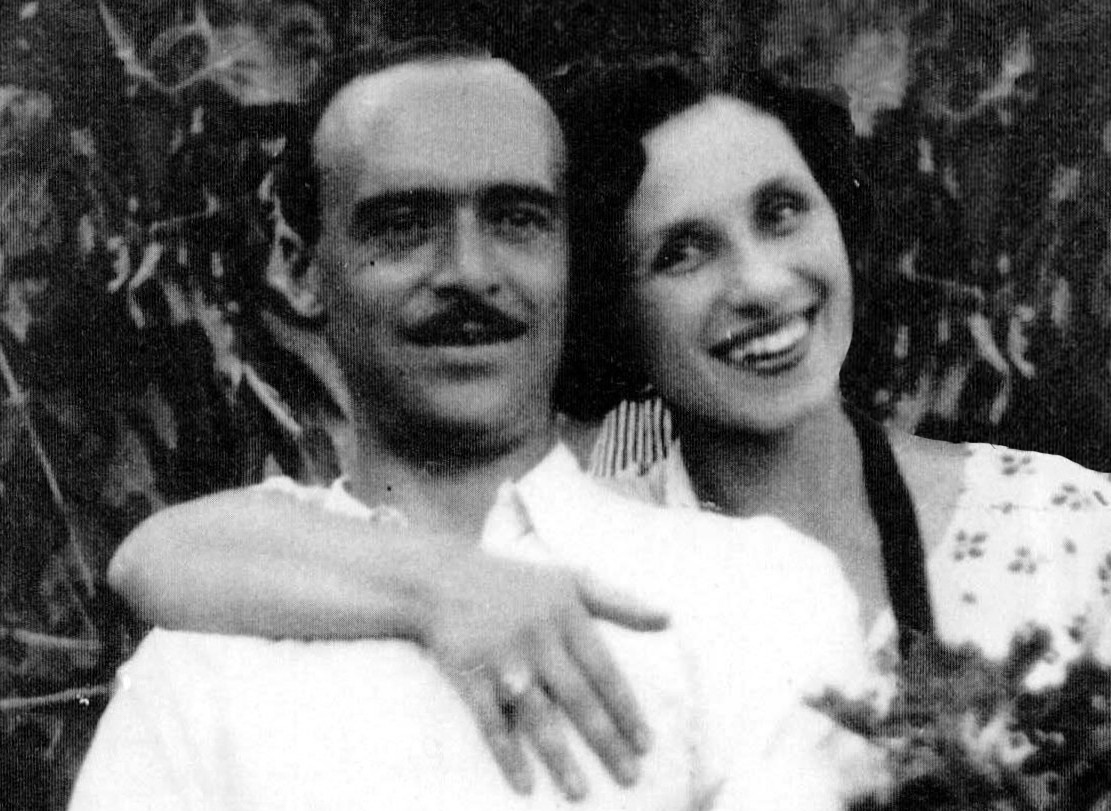
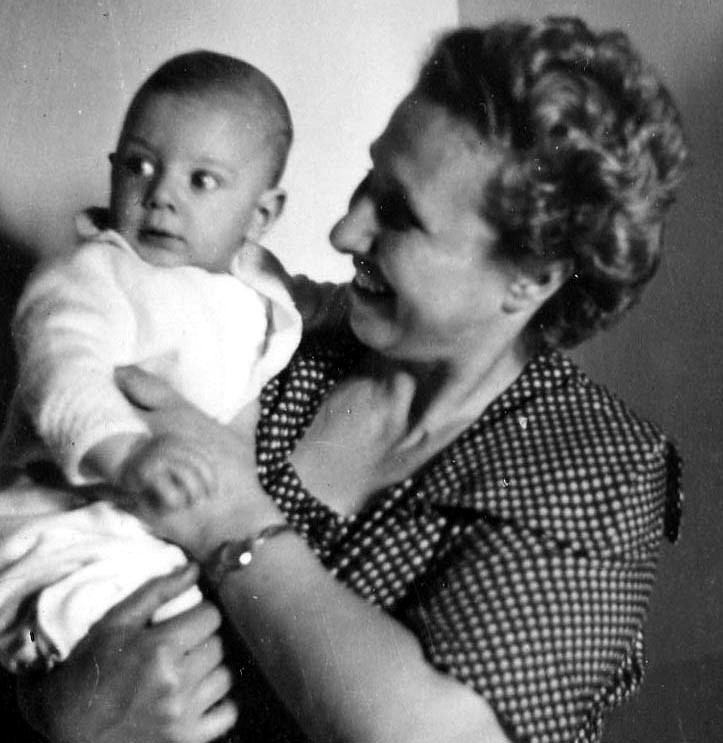
In January 1924, she marries Achille Schiavo Campo, Engineer and Lieutenant in the Artillery Battalion of the Italian Army, and she has four children: Paolo (1924), Leopoldo (1926), Vittoria (1928), Salvatore, called Rino (1940).
Due to the military career of her husband and the important assignments he is called to take on, she moves from Palermo first to Piacenza, then to Torre Annunziata, Rome, Varese then again Rome and eventually, after the second world war, she goes back to Palermo.
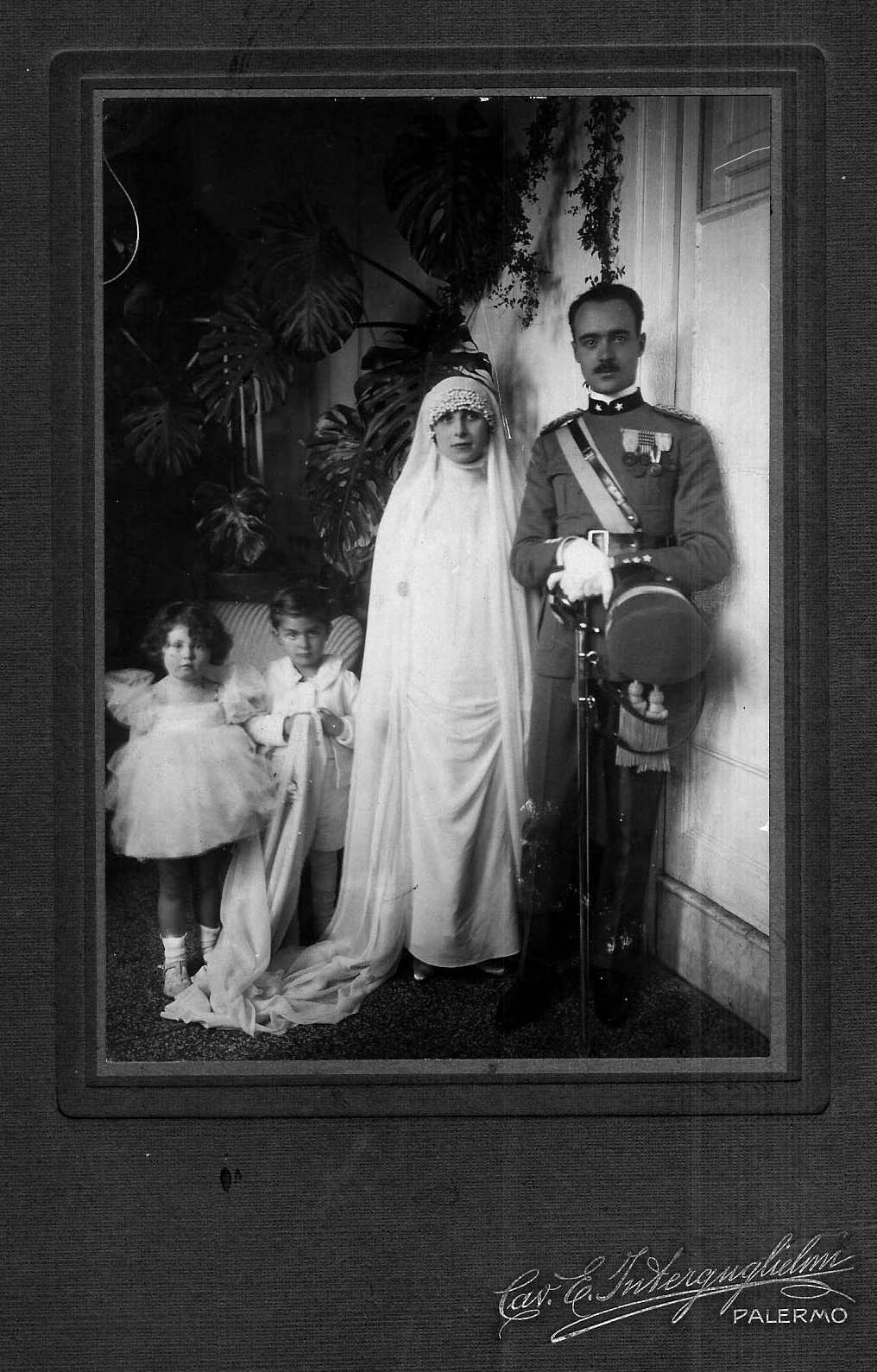
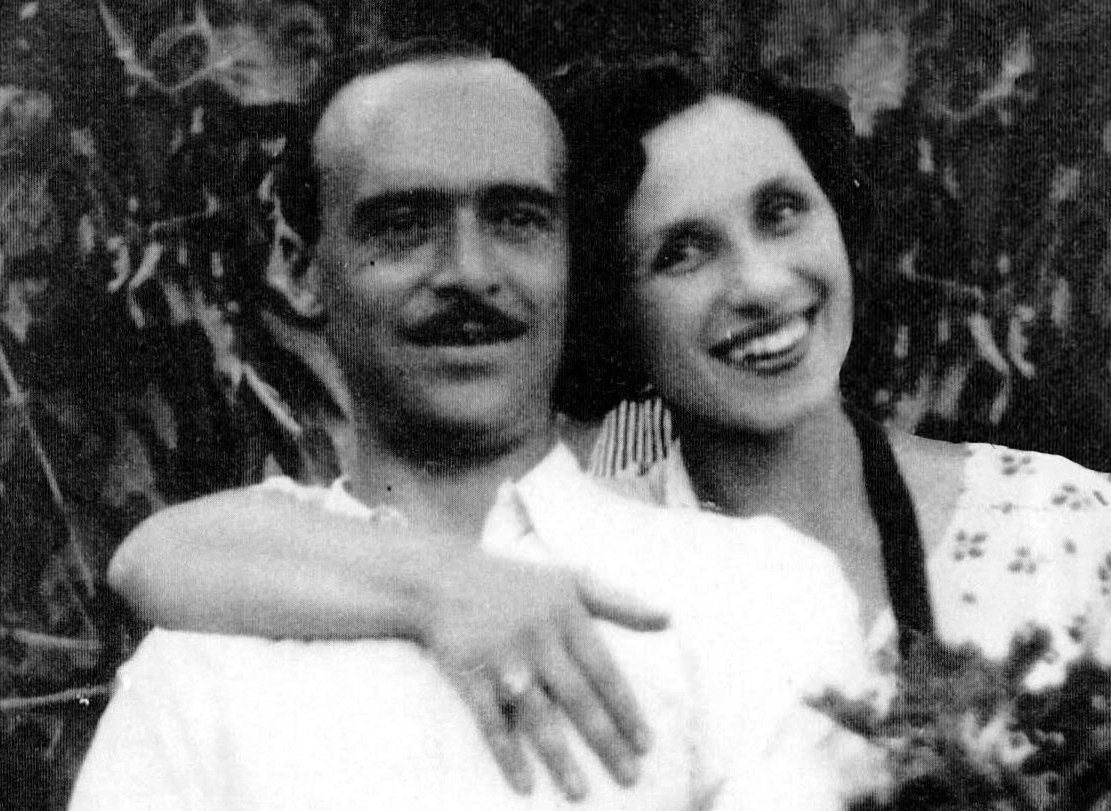
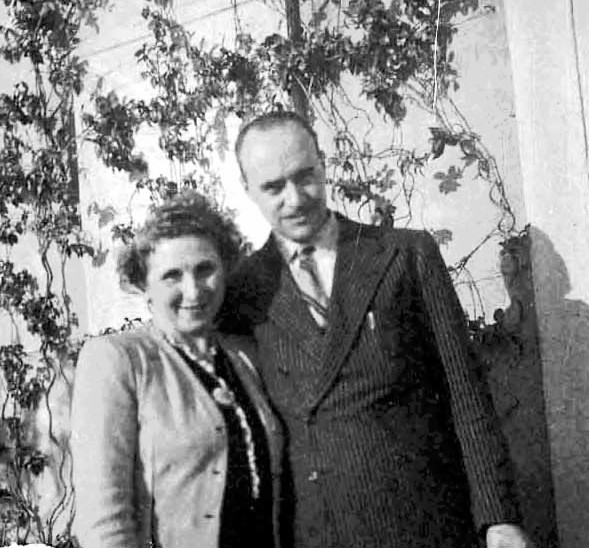
Maria and Achille, Palermo January 1924
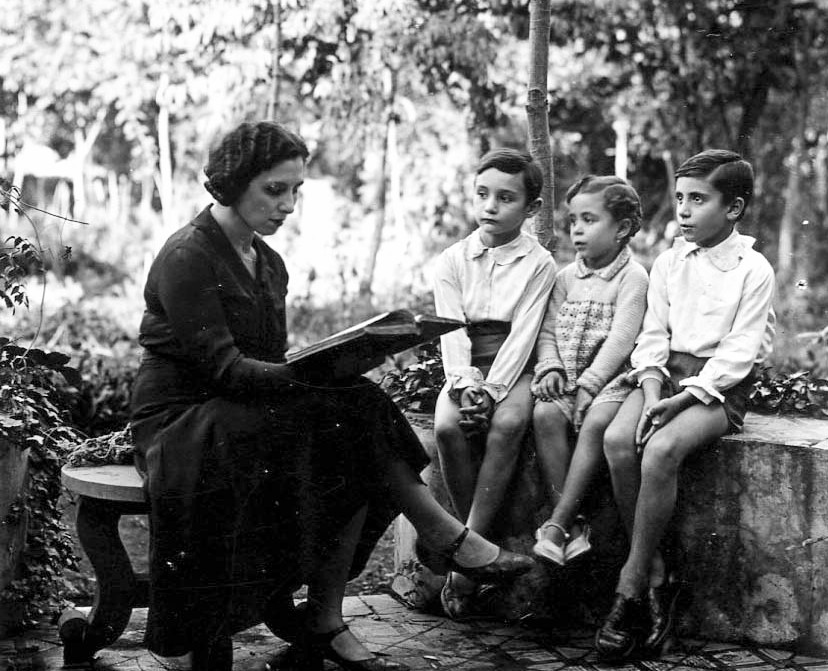
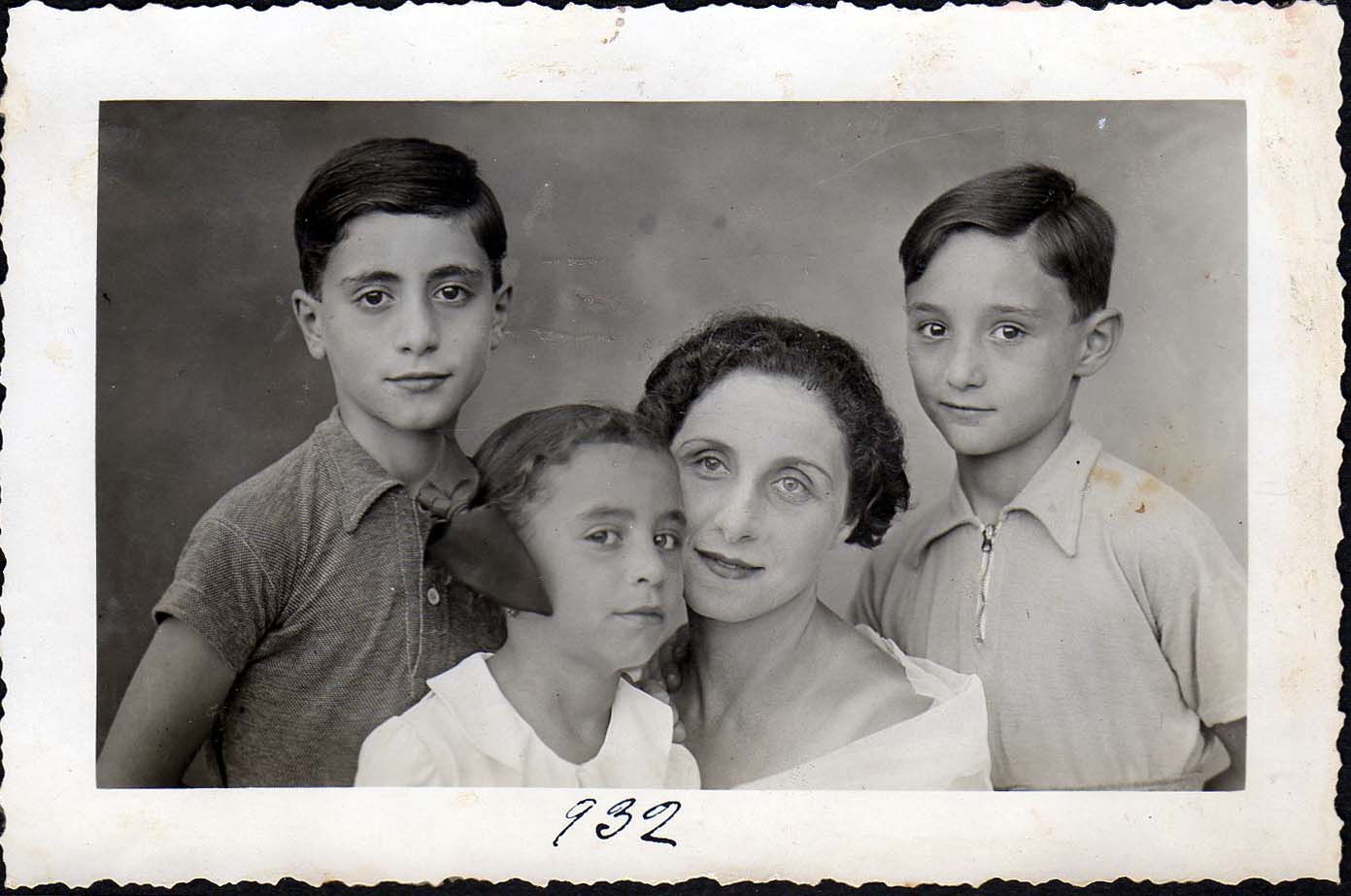
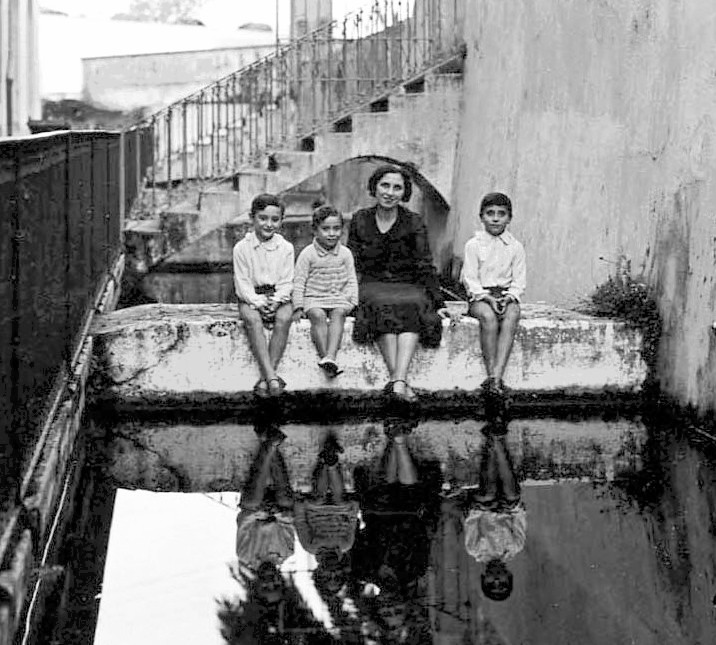
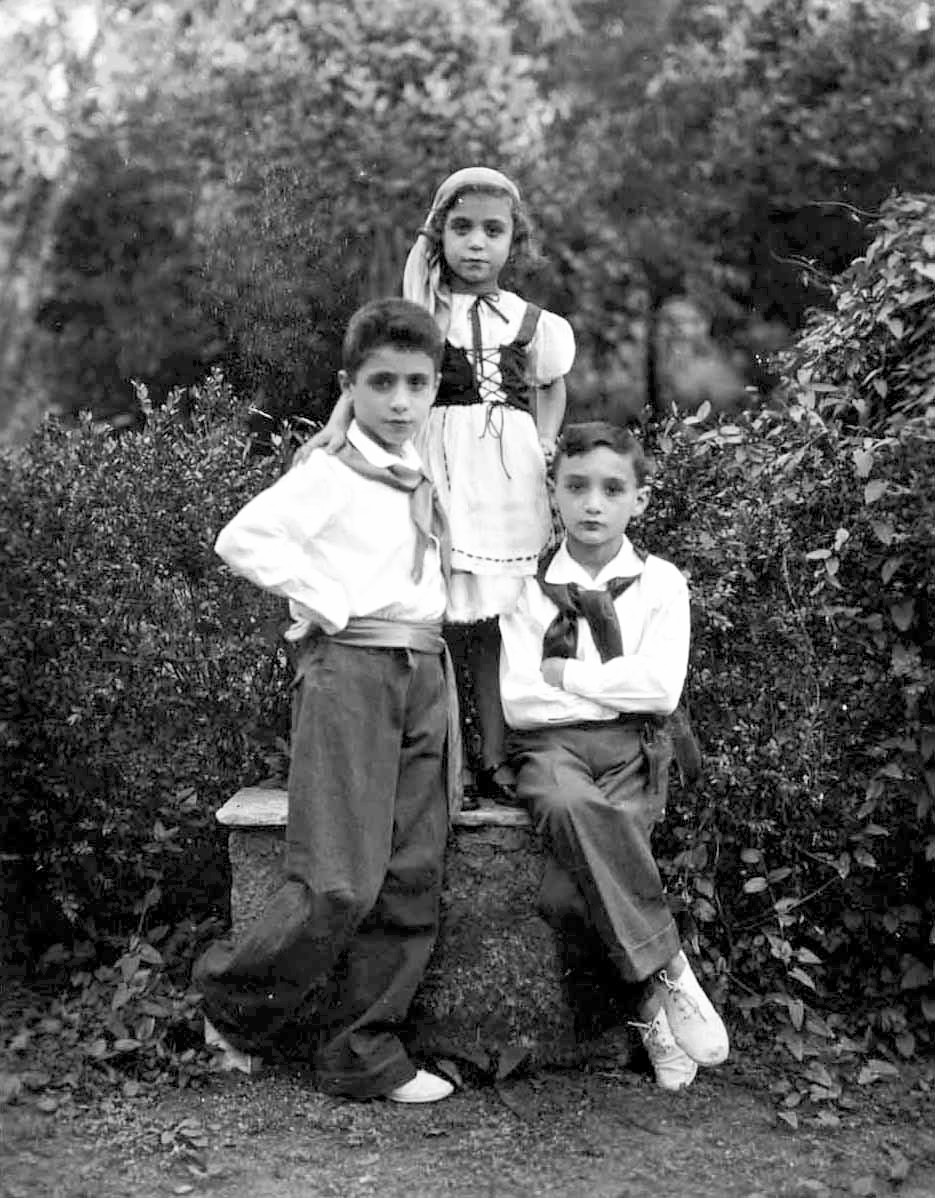
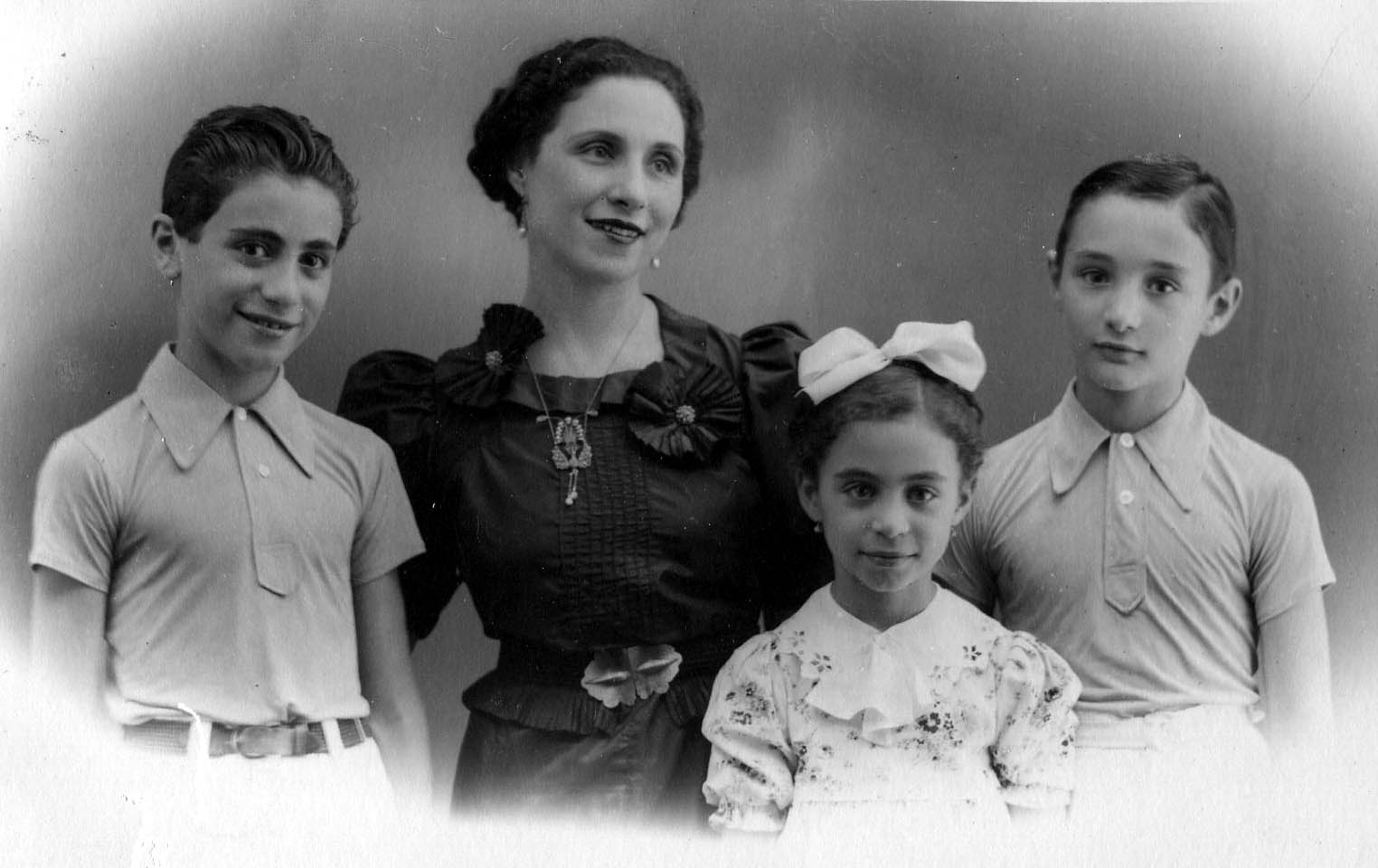
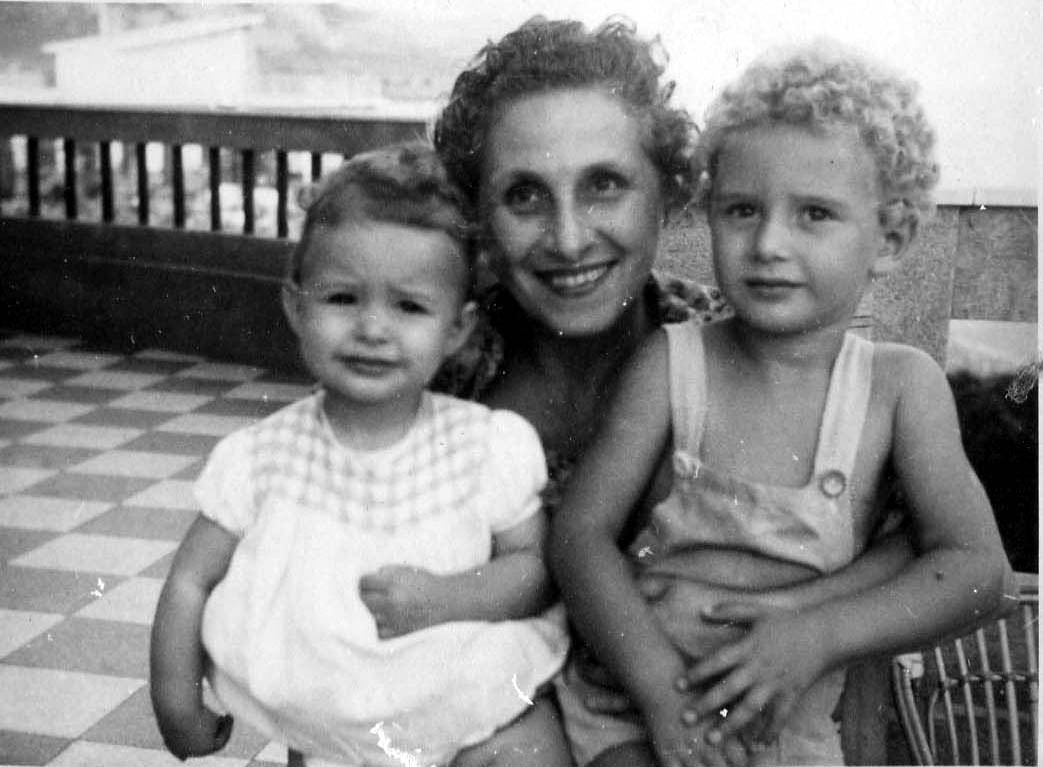
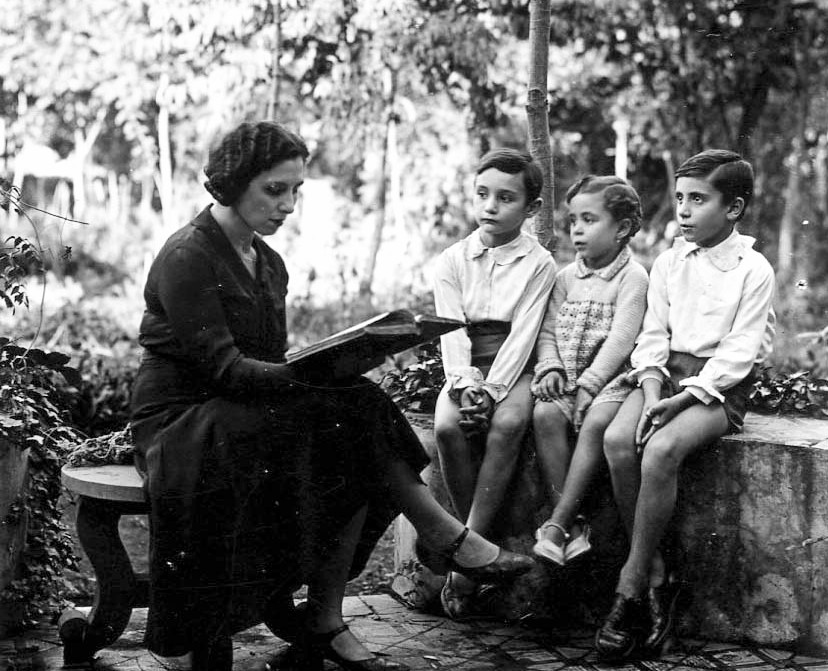
Maria, Leopoldo, Vittoria and Paolo, Torre Annunziata 1932
Besides the family, her first activity is music. She composes and publishes her work under the name of Maria Schiavo de Gregorio.
All her children study pianoforte with her. Leopoldo, particularly, inherits and shares her love and talent for music and the piano. He learns with her and afterwards he completes his studies with Maestro Carlo Zecchi in Rome and Maestro Carlo Vidusso in Milan.
Her father Leopoldo's love and talent for art and painting, instead, are inherited by her eldest son primogenito Paolo, artist, painter and sculptor, protagonist and witness of the Italian artistic evolution of the second half of the 20th century. Many of his works are kept in various national and international museums.
Her daughter Vittoria studies the violin with Claudio Abbado's father, Maestro Michelangelo Abbado whose wife, Maria Carmela Savagnone Abbado, children's writer and a pianist herself, is a dear friend of hers.
She starts composing very young thanks to the guidance of Maestro Alfredo Casella and Maestro Mario Pilati who develop her talent as a composer and at 22 years old she writes her first work, "Te Solo" for lyrics and pianoforte with verses of Ada Negri, which marks the beginning of her prolific and esteemed career.
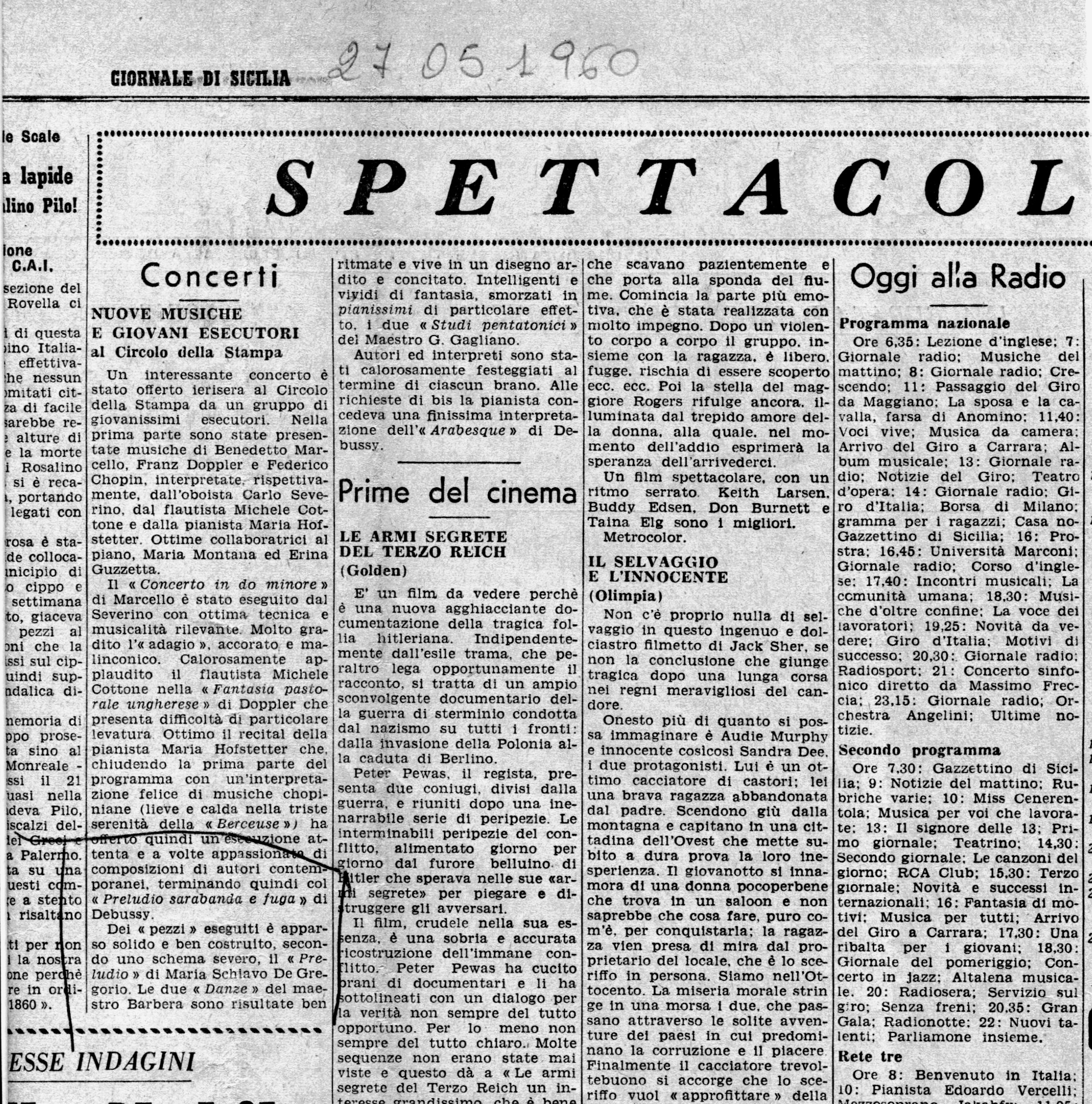
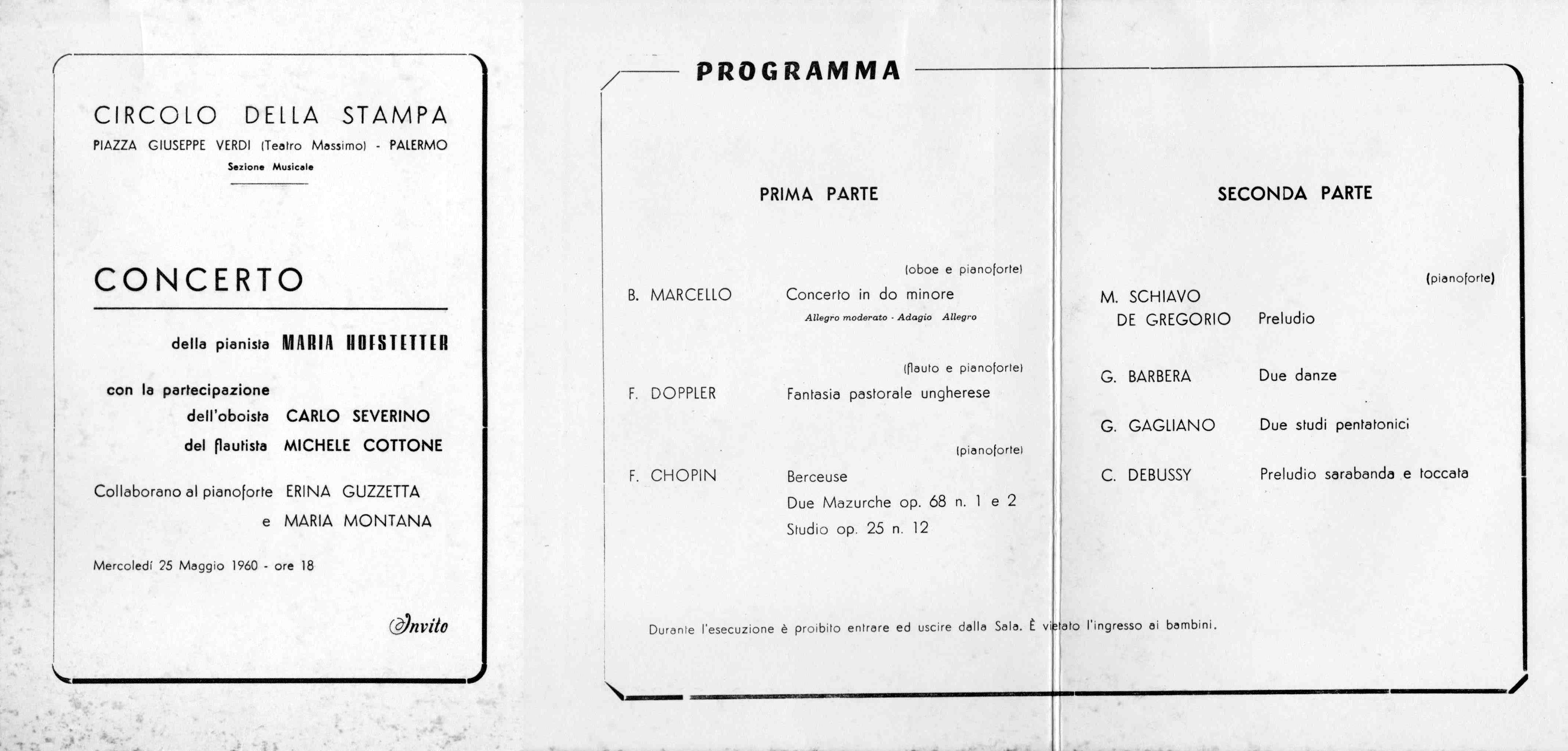
She performs her music, with great success, much appreciated by the public and the critics, in concerts held in Palermo, Venice, Pesaro, Naples, Rome and also broadcast by the Italian Radio. Later, her "Theme with variations" for orchestra is played in Baden Baden, directed by Maestro Théo Ziegler and it is very well received.
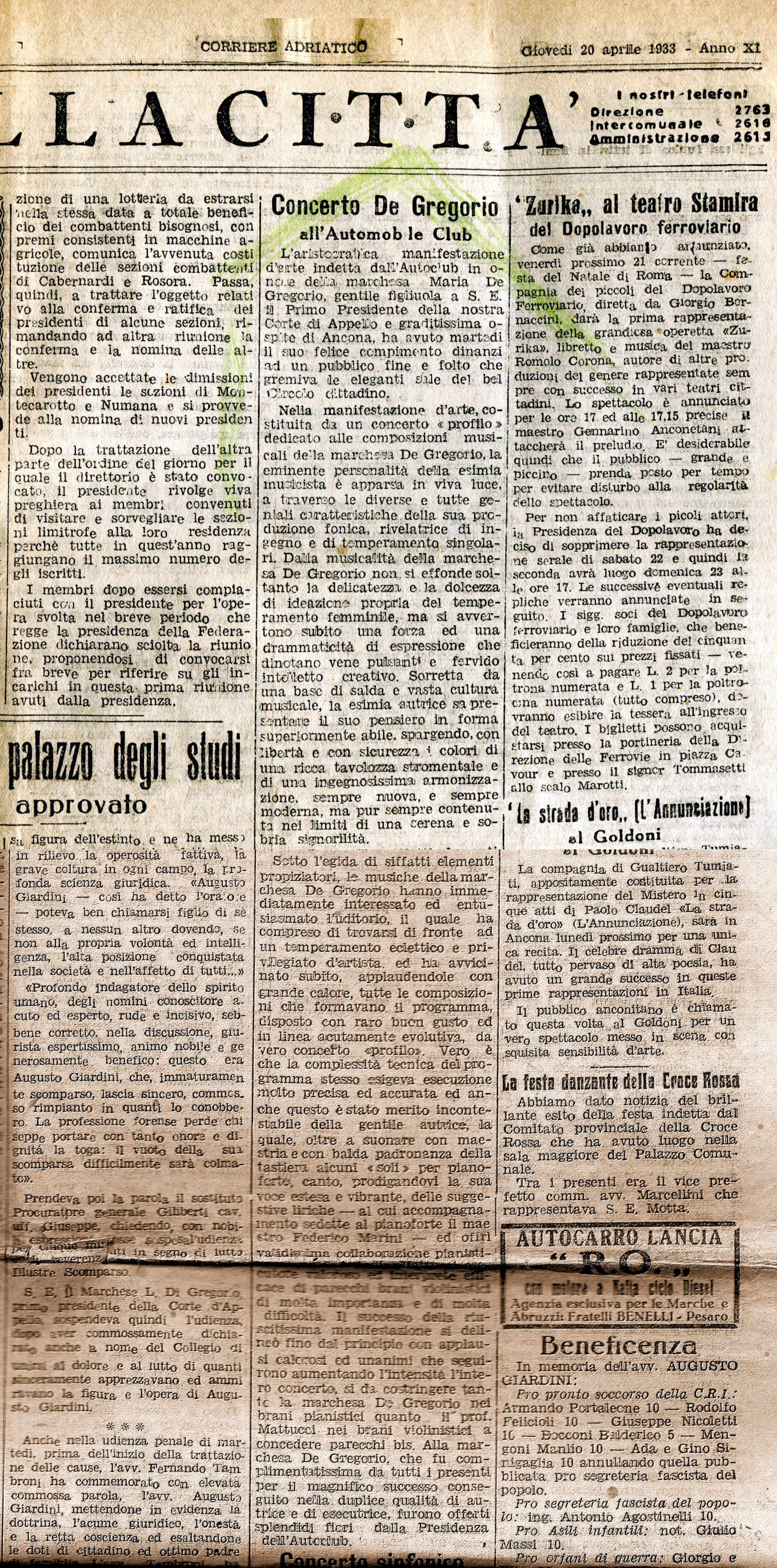
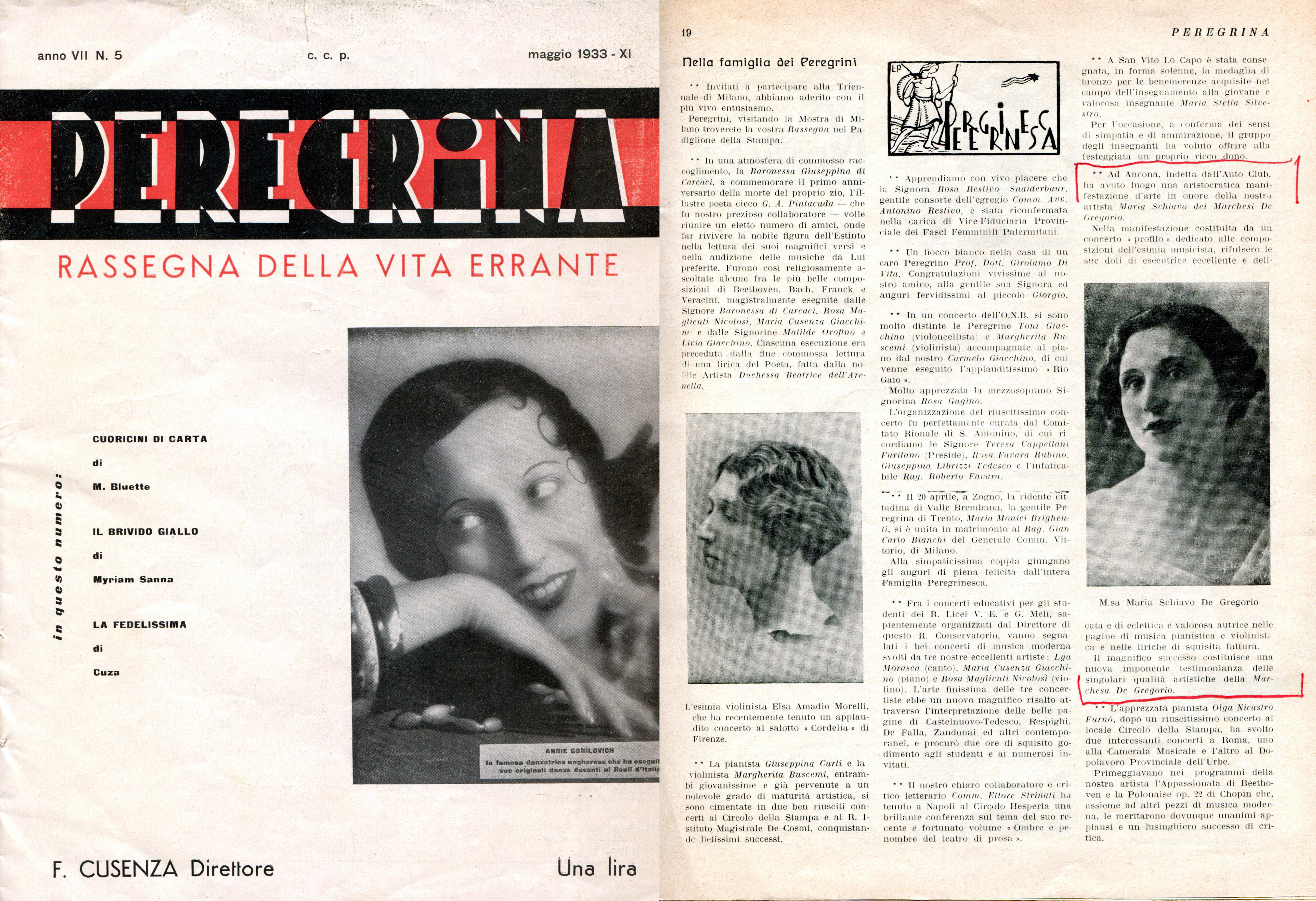
She often goes to see her father Leopoldo, President of the Court of Appeal, in Ancona and there she performs profile concerts presenting her compositions.
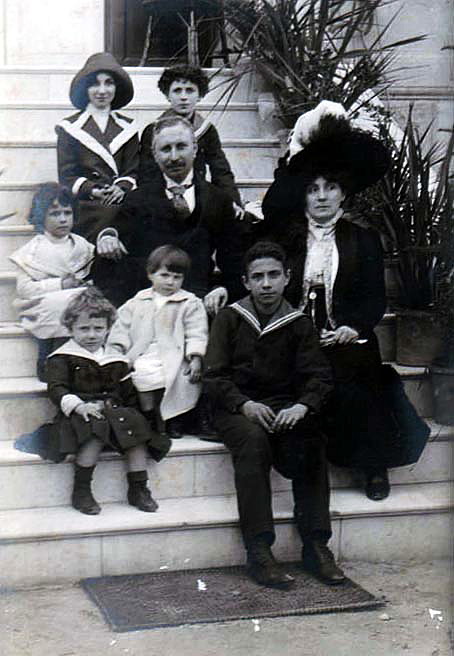
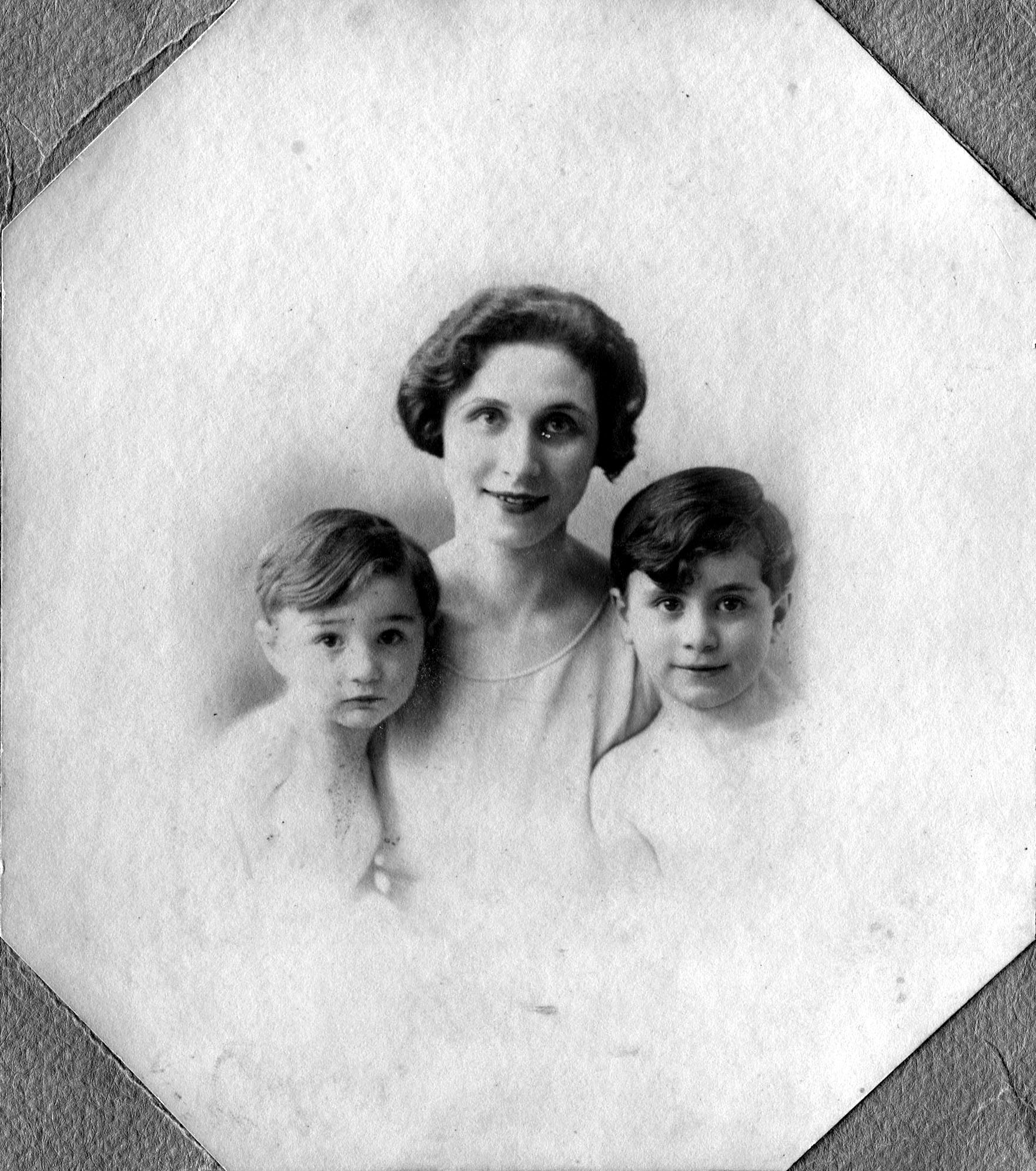
Leopoldo, Vittoria, Maria and Paolo, Torre Annunziata 1932
Achille and Maria, Torre Annunziata 1935
In Naples, on 16th March 1934, with her "Aria" for orchestra and her "Suite" for violin and pianoforte (Prelude, Sarabanda, Tarantella), she wins second prize at a competition organized by the Camerata Musicale Napoletana.
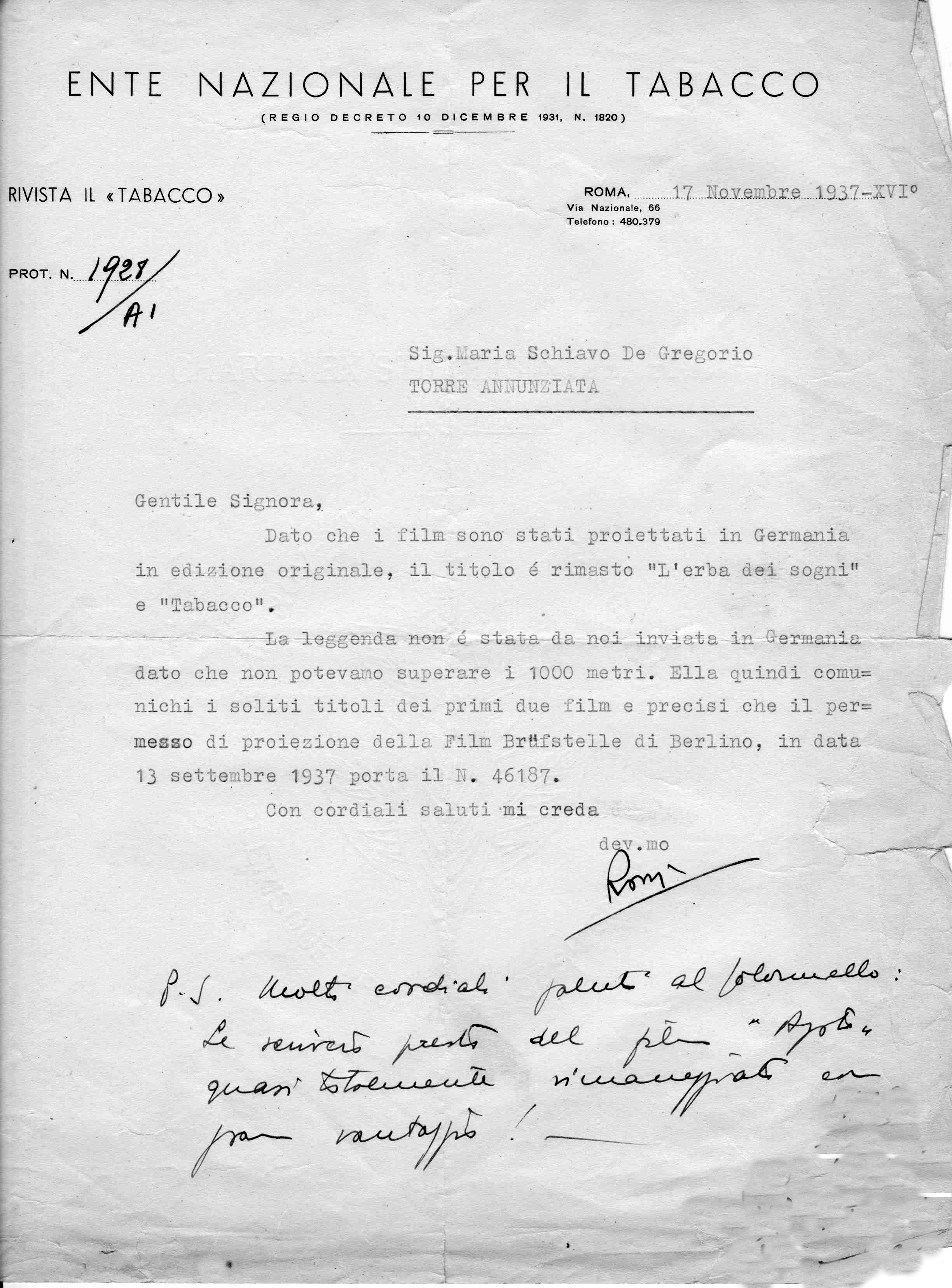
In the years 1935 - 1940 she composes music for various documentaries, including the soundtrack for "Azoto" a scientific feature film and two films for the National Tobacco Board "L'erba dei sogni" and "Tobacco", preserved in the Historical Archive of the Istituto Luce di Cinecittà in Rome.
In the '50s and the '60s, back to Palermo, she performs privately in duets with Teresa Porcelli, first violin of the Symphony Orchestra of the Teatro Massimo in Palermo, a brilliant artist with great interpretative strength.
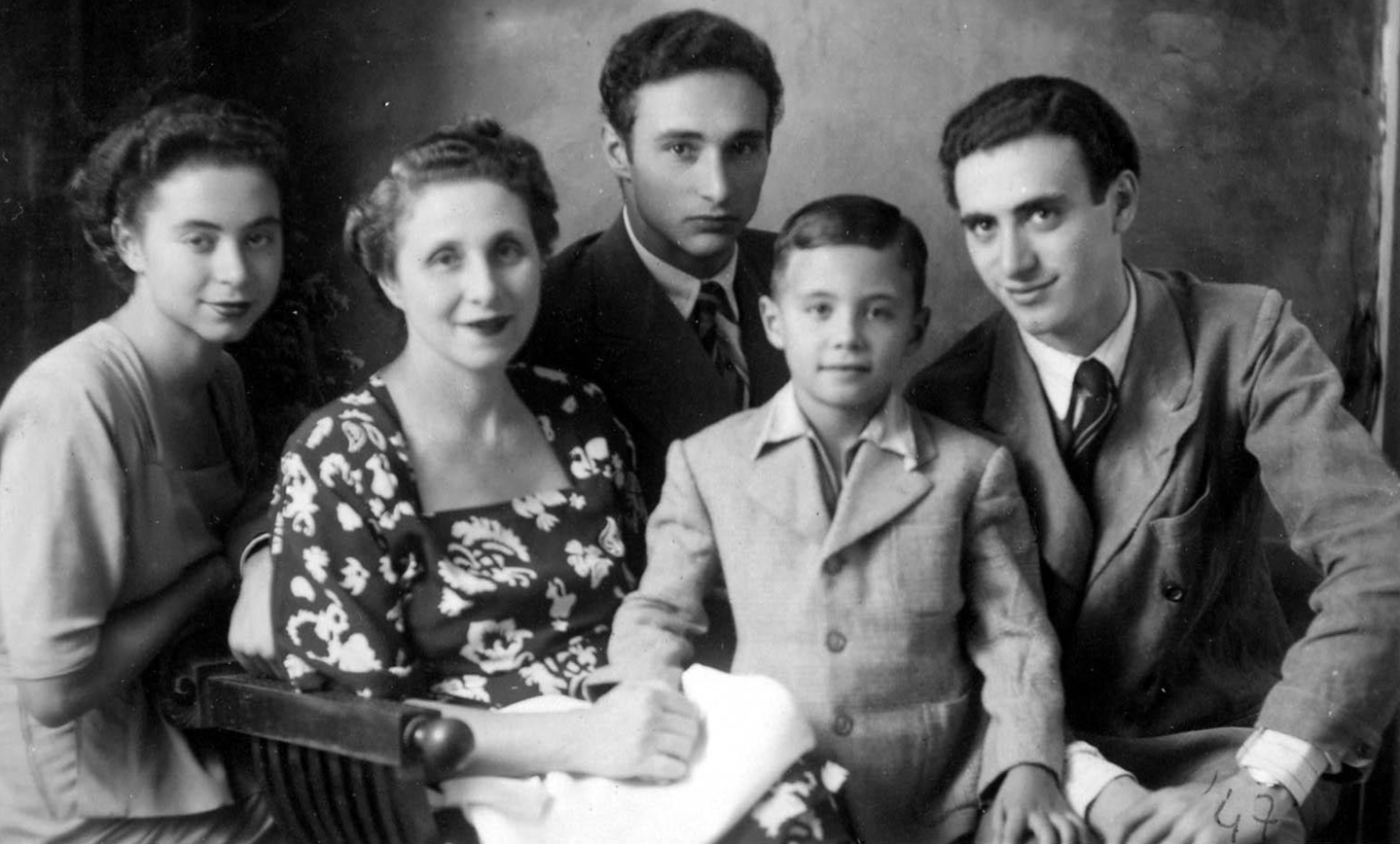
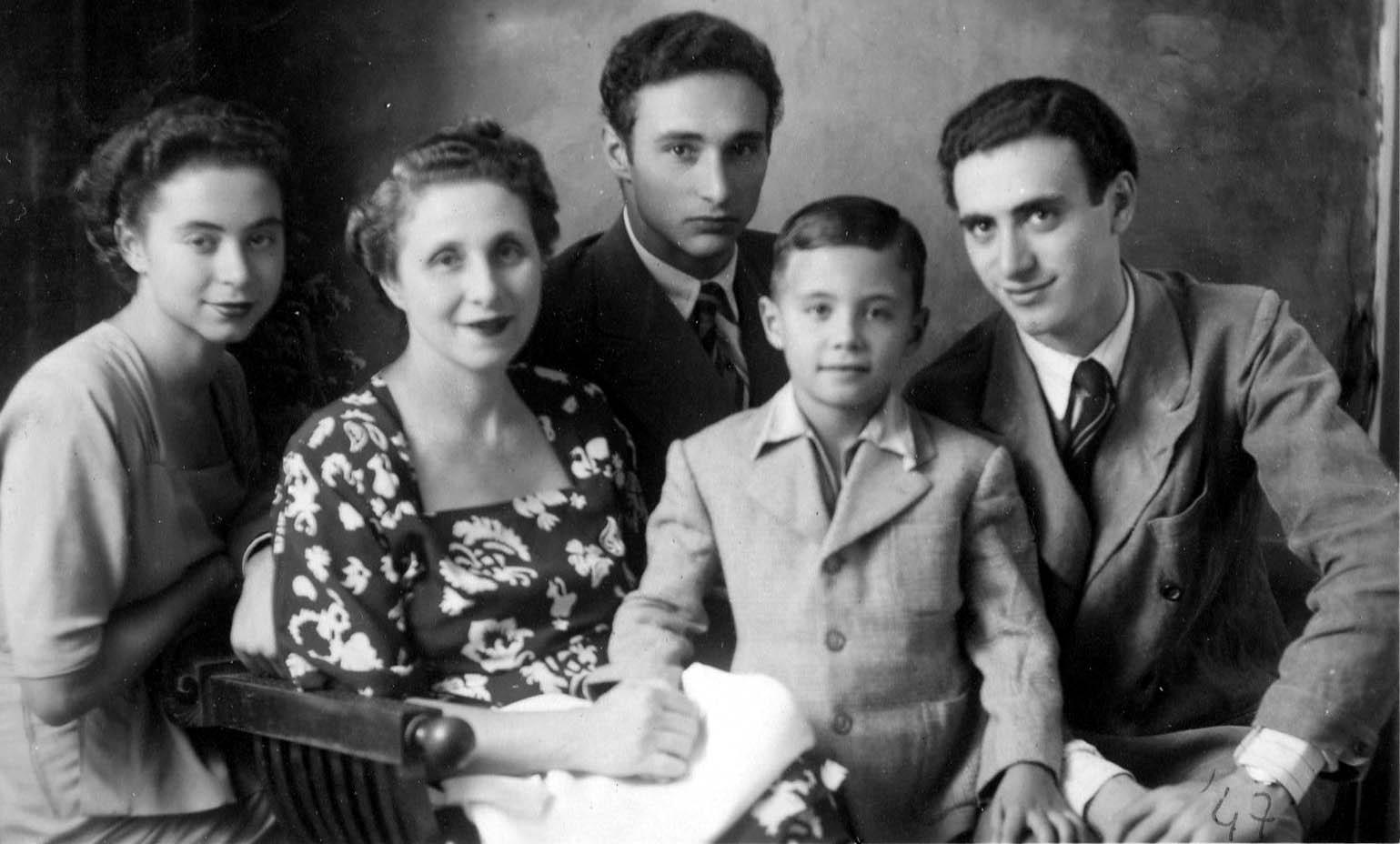
Vittoria, Maria, Leopoldo, Rino and Paolo, Rome 1947
In 1959 she composes a "Suite infantile" inspired by her first seven grandchildren. She will then have six more!
In 1961, her "Concerto for pianoforte and orchestra", work which reveals a mature and learned musician, and her "Toccata" are played in a contest in Mannheim.
She has vast general knowledge and she is fluent in four languages: besides Italian, French, English and German. She likes Russian literature, as well as French and Italian literature.
She is fond of the music of the 20th century; she is modern in her taste and very attracted by the spirit of this century, but she doesn't get carried away by fashion or is influenced by what other people like. She appreciates the music of Alban Berg, Bela Bartok, Claude Debussy, Maurice Ravel and also composers like György Ligety, Olivier Messiaen, Henry Dutillieux. She likes Wagner, perhaps because Palermo is a city fond of Wagner.
Her husband, by this time a General, Achille Schiavo Campo, dies in Palermo on 30th October 1961.
It looks as if her work as a composer ends in 1966, there are no other compositions known after that year.
In 1967 she moves to Turin where her daughter Vittoria, Professor of English Literature and Language, lives with her family. She goes back to Palermo for good in 1980.
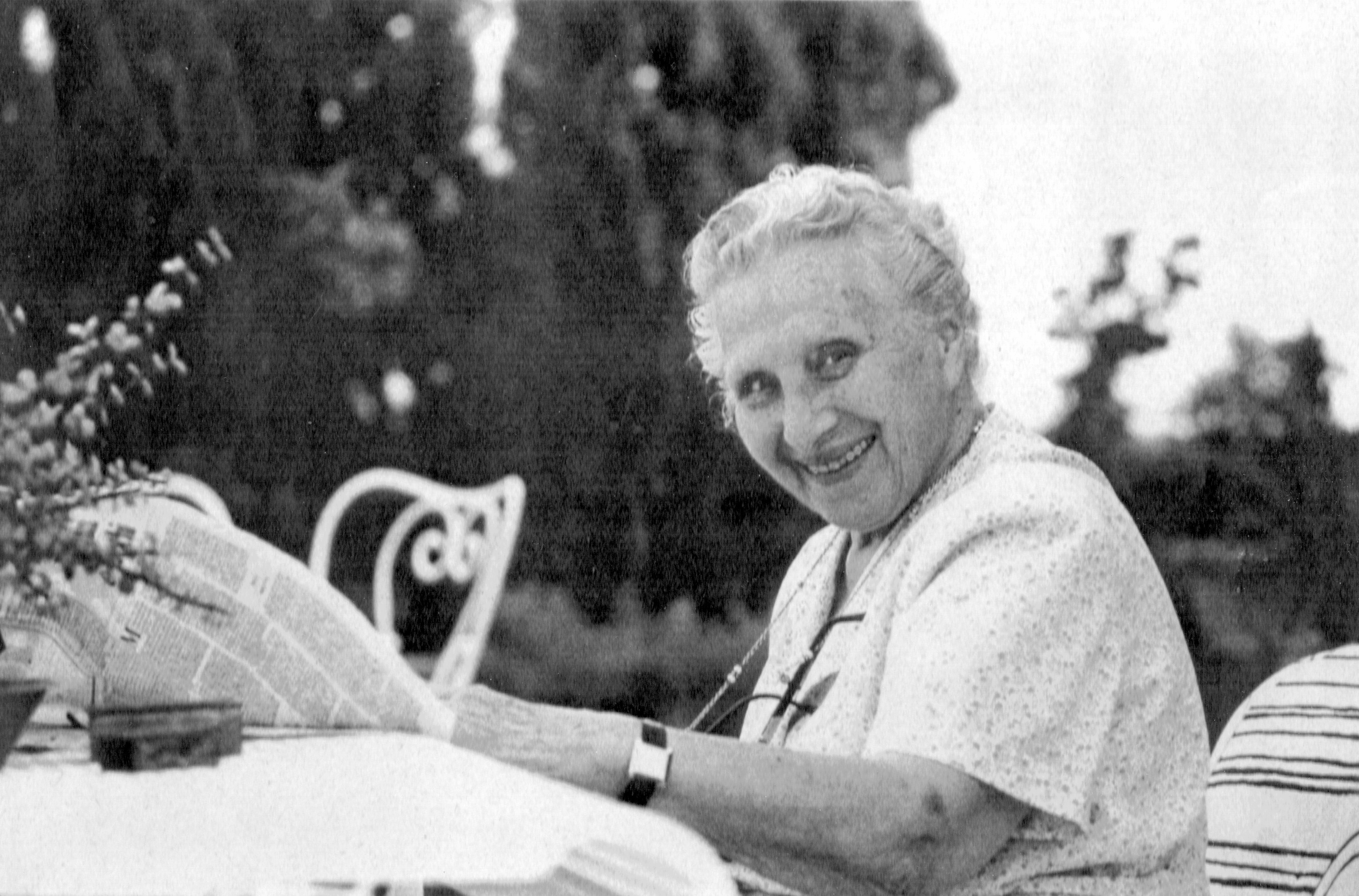
Milan 1982
Fiji Islands 1976
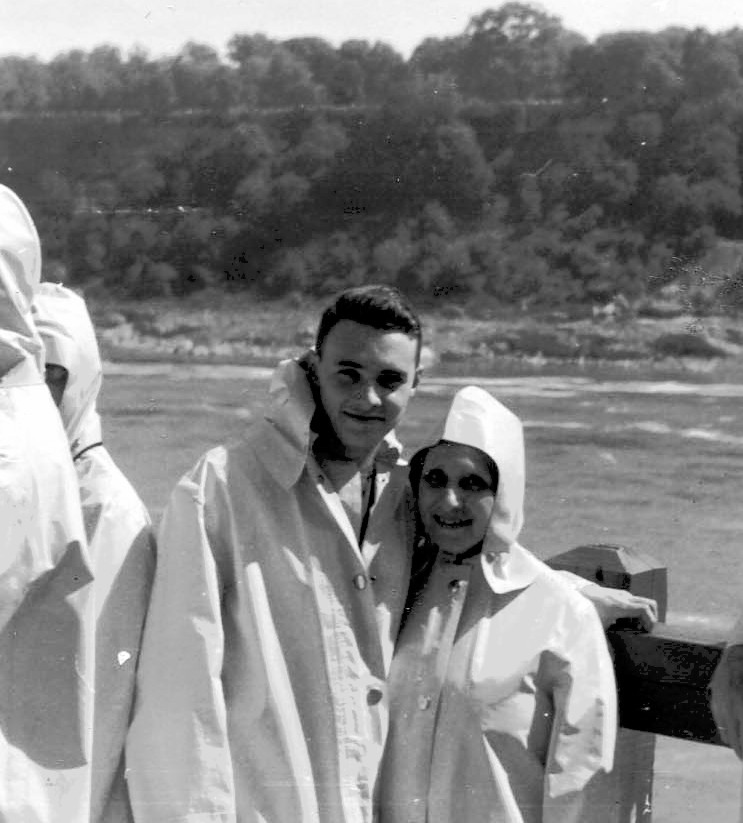
From 1967 to 1990 she travels around the world to see her two sons Leopoldo and Rino, who live abroad, following their international diplomatic careers. Thus, she spends a year in South Africa, a year in Fiji, long periods of time in the United States (New York and Washington) and in some African countries.
She is a woman free in her spirit and at the same time attached to the tradition and the way of life of her time.
She spends her life throughout the 20th century, living through all the changes, developments and challenges of this historical period. As an adult woman, she lives through two world wars and she faces the entire post war crisis with courage. She never backs out, she never fears the changing times, nor does she criticize the changes in people and generations. She stands out not only for her grace, courtesy and elegance typical of the ladies of her generation, but also for the strength, willpower and independence typical of the modern woman. She is broad-minded, open to contemporary life, free in her opinions and extremely generous, with no material or economic interest. She is incapable of moral judgement, she hates the petty bourgeois morality.
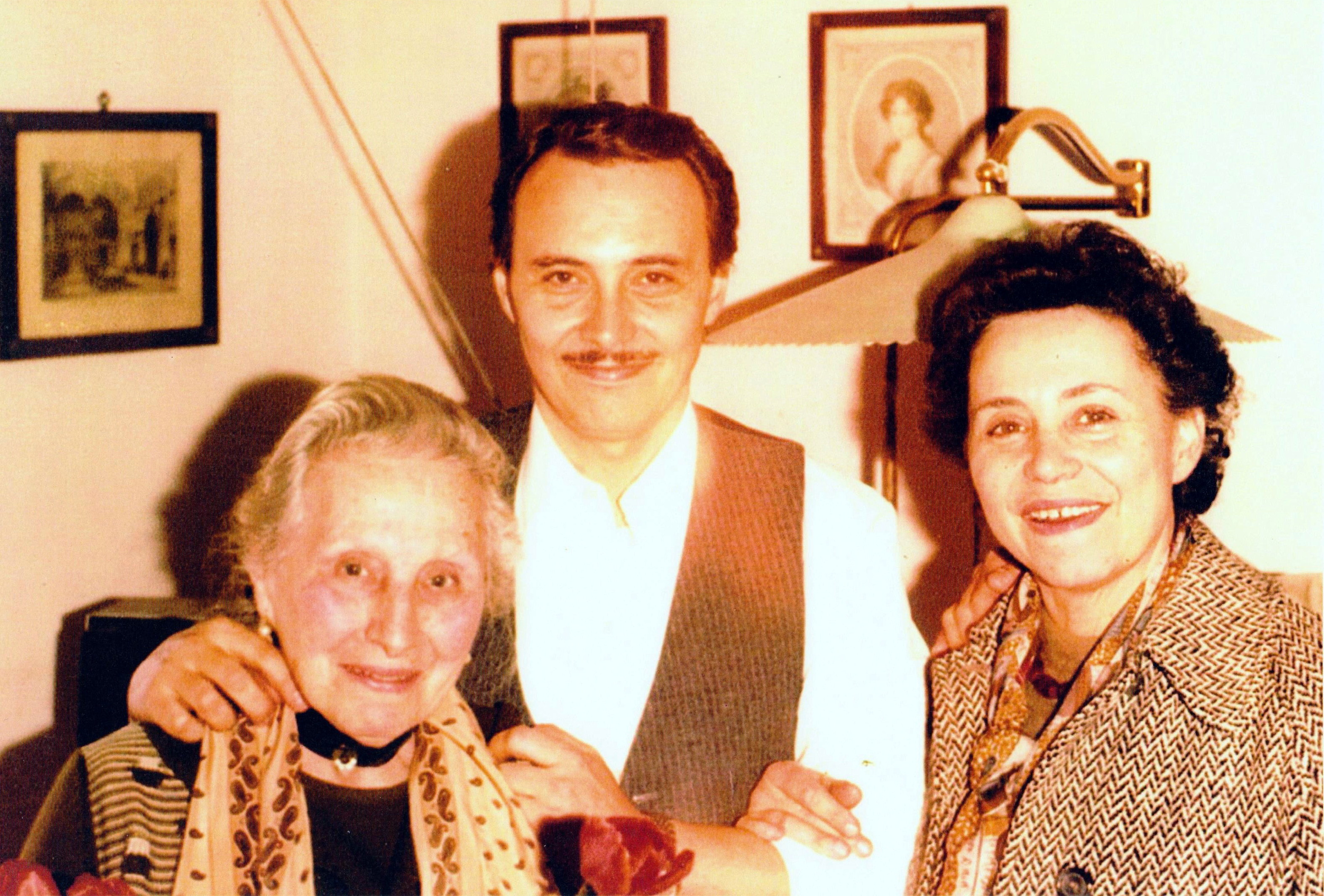
Rome, 13 February 1990
Cernobbio 1990
As far as music is concerned, she relies on her personal taste, she is intuitive and hers is a culture and knowledge of a person who loves life and what she likes, beyond any methodology or dogmatism either in the artistic, or spiritual, or moral fields. Her sensitivity, lacking prejudice and provincialism, makes her like artists who, for her generation, are difficult to understand. Her lively curiosity, not influenced by any cultural scheme of her time, brings her to explore the non-conventional, revealing freedom of opinion and judgement in appreciating her contemporary music. She shows a cultural inclination unusual for a person of her generation, especially for a woman.
Music is her life and her work is her strength. It is a world apart, her private world. It is as if she closes the door on the world around her and enters a different dimension, where she feels completely at ease and happy. Music accompanies her throughout her life.
She likes baroque music: Monteverdi, Scarlatti, Bach, Couperin. Of the Russian composers she prefers Skrjabin, Stravinskij, Rimskij Korsakov, Musorgskij. She also appreciates some Austrian composers: Mahler, von Zemlinski, Richard Strauss, Schönberg, Webern. She likes French music, too. Chopin is one of her favourites and, as a pianist, she is a good performer of his music
Unlike other ladies of her social class, she believes that nobility arises from culture, art and spirit rather than from social class or blood.
She dies in Palermo on 22nd July 1997.
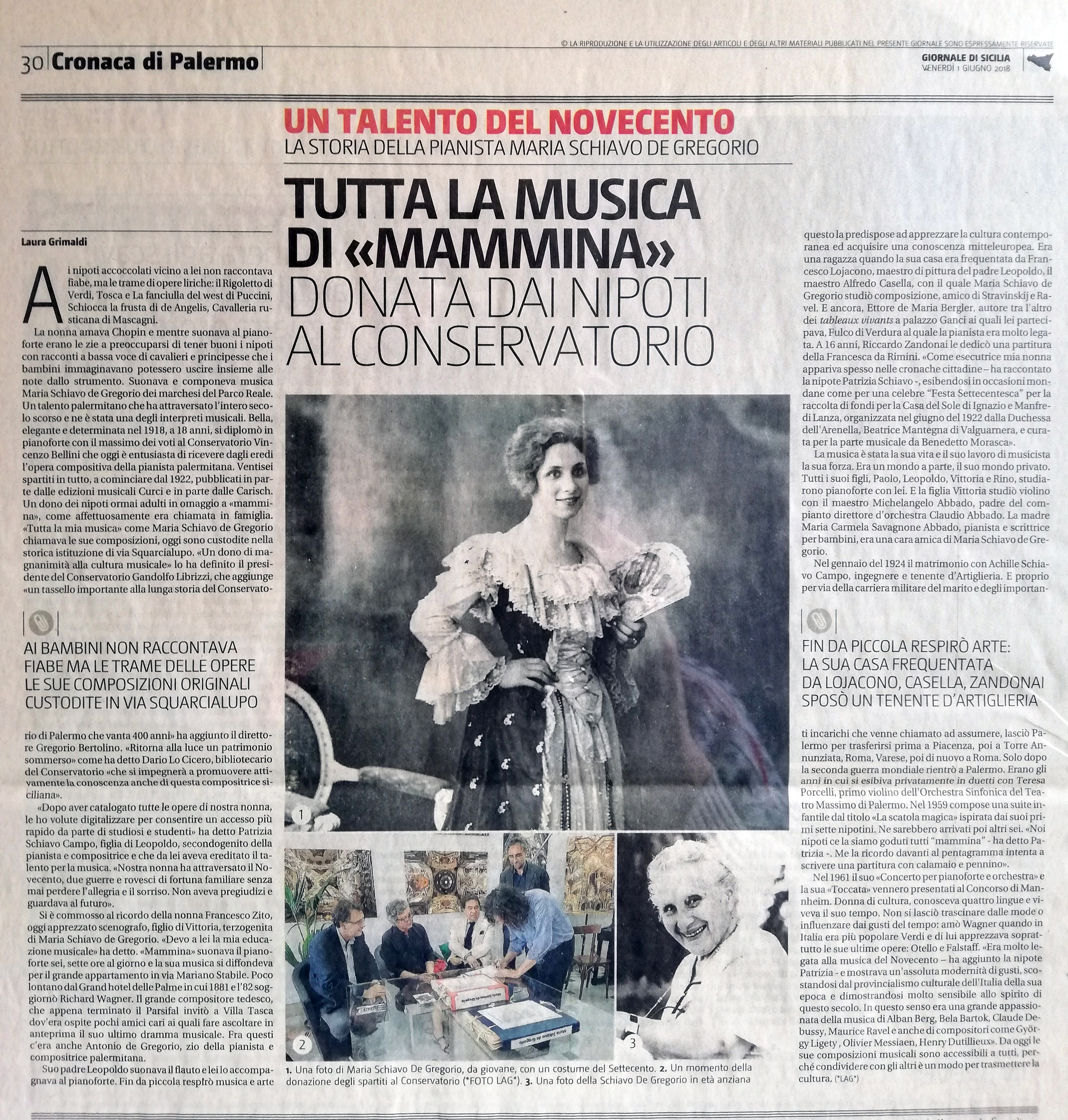
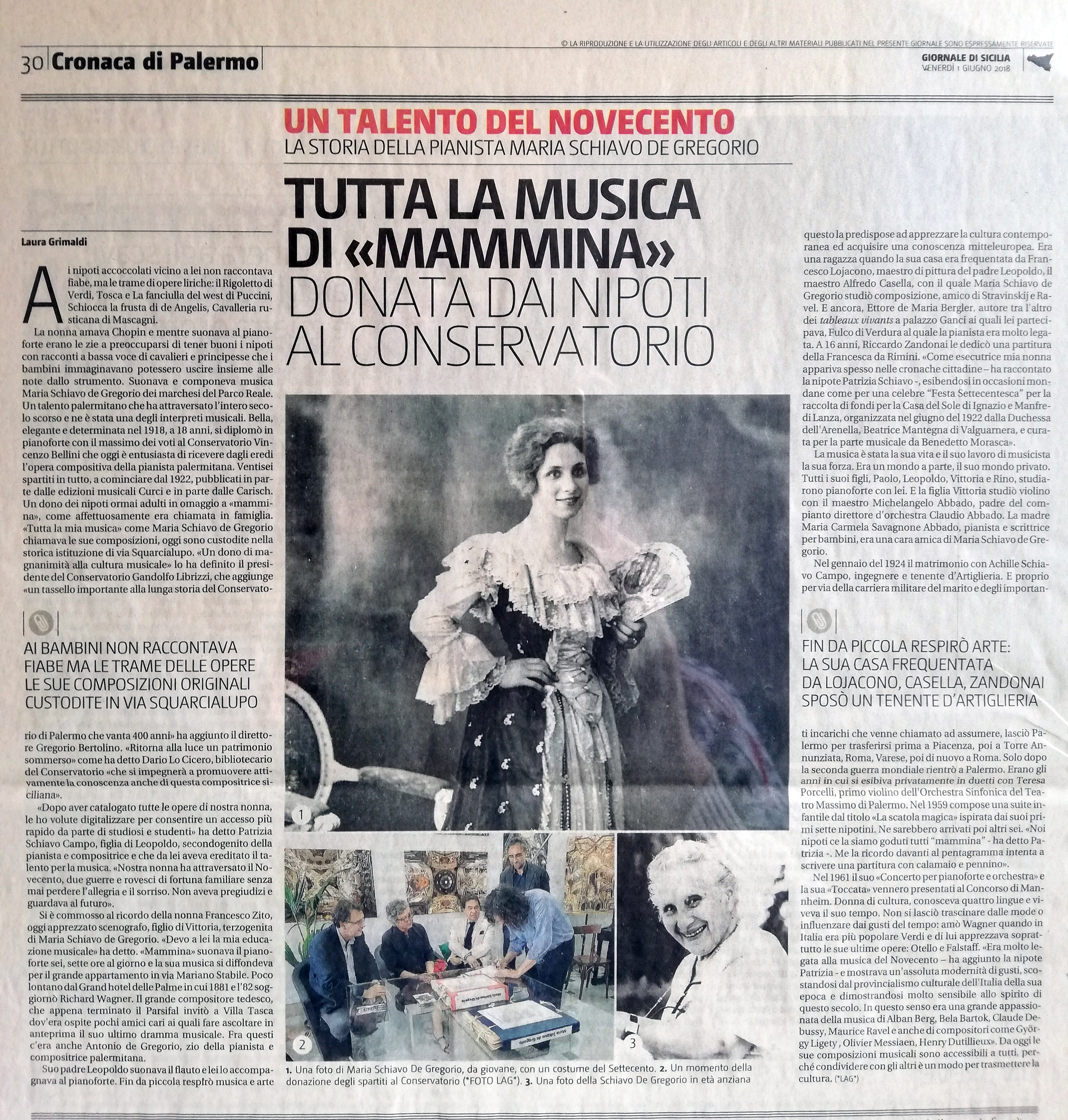
On 31st May 2018, during a ceremony, her work was donated by her grandchildren to the Music Conservatory Alessandro Scarlatti, once Vincenzo Bellini, in Palermo, where she graduated 100 years before.
All the scores have been handed over in paper and digitized version and are kept in the Library of the Conservatory.
Giornale di Sicilia, 1st June 2018, Cronaca di Palermo
Works
list of her works
Ricercare
insight on the work
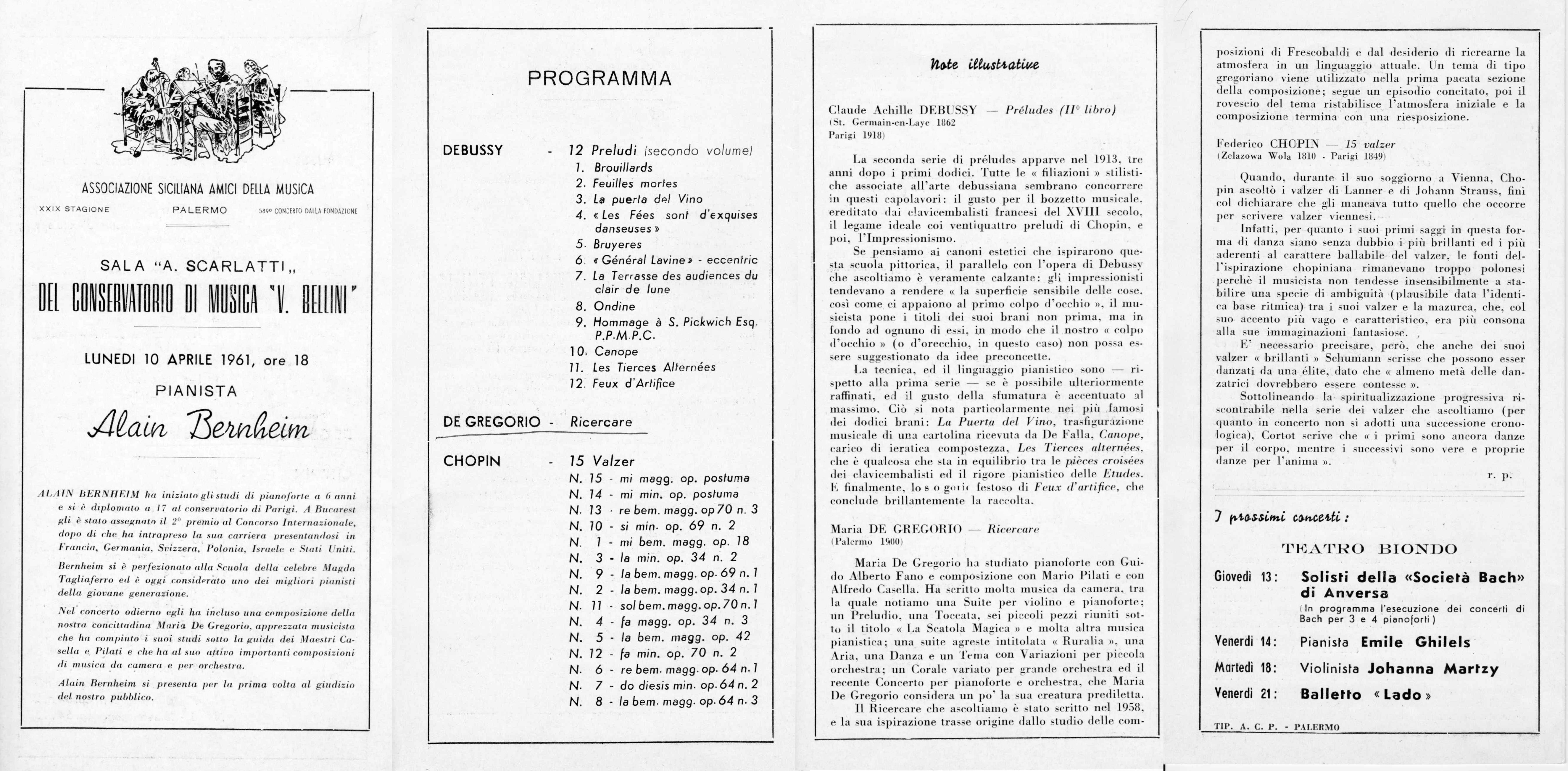
It was written in 1958 and was inspired by the study of the compositions of Frescobaldi and the wish to recreate its atmosphere in a modern language. A Gregorian type theme is used in the first peaceful part of the composition; it is followed by an animated passage, then the reverse of the theme re-establishes the early atmosphere and the composition ends with a re-statement.
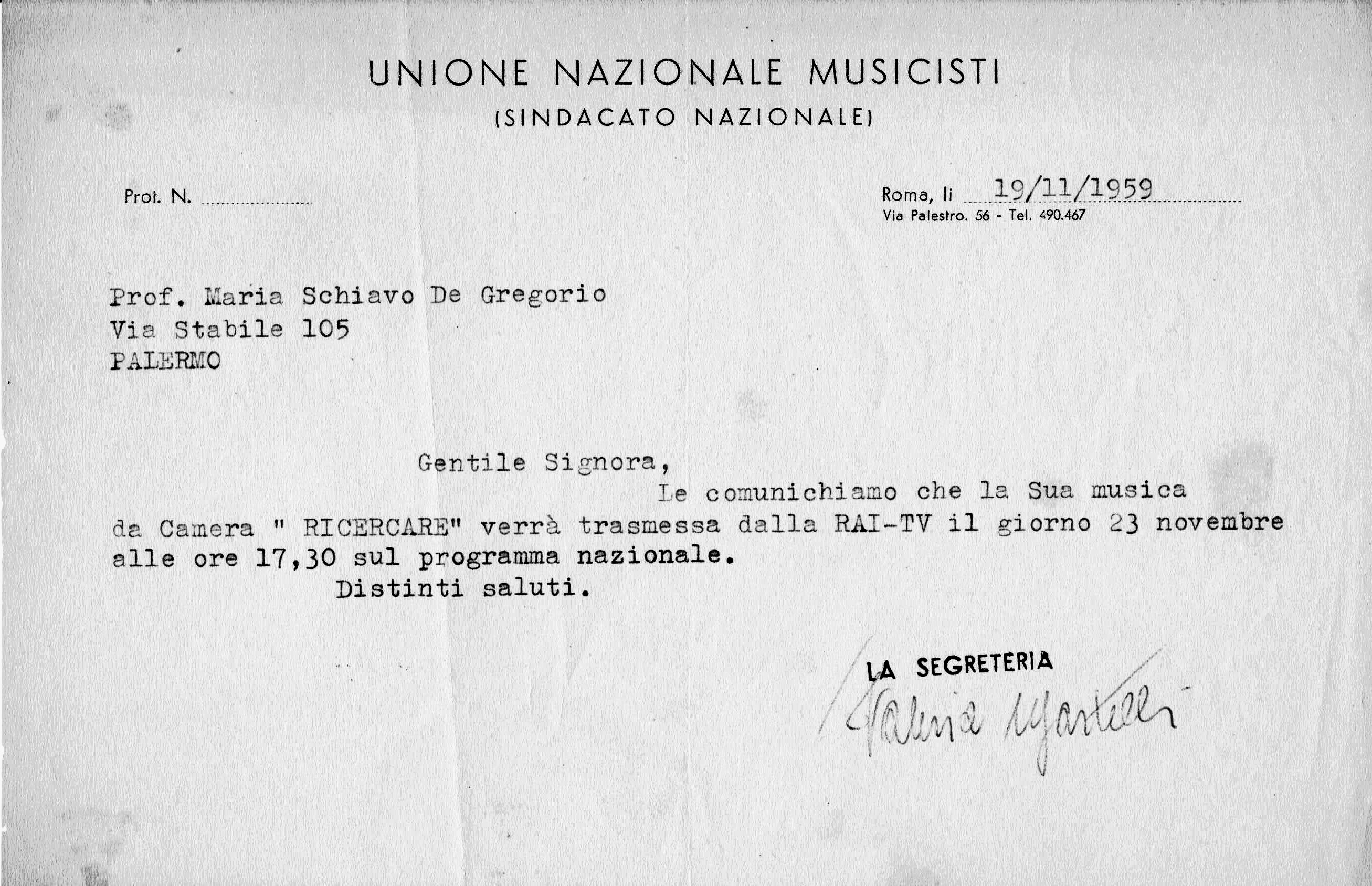
It has been played in concert by Alain Bernheim, French pianist, in the A. Scarlatti hall at the Music Conservatory V. Bellini in Palermo on 10th April 1961. The piece was broadcast by RAI-TV on 23rd November 1959, at 5.30 pm on the national programme. continue...
The chamber orchestra of Palermo "Gli Armonici", with Ninì Giusto at the piano, played it together with other works of the Sicilian composer in a concert which took place on 4th April 2000 at Santa Maria della Pietà's Church in Palermo.
Recently, pianist Massimiliano Seggio (who had already presented it in his degree examination programme at the Music Conservatory in Palermo) played it again within the event Palermo Piano City, on 1st September 2017, in a concert at the Saints Euno and Giuliano's Church in Piazza Magione at Kalsa.
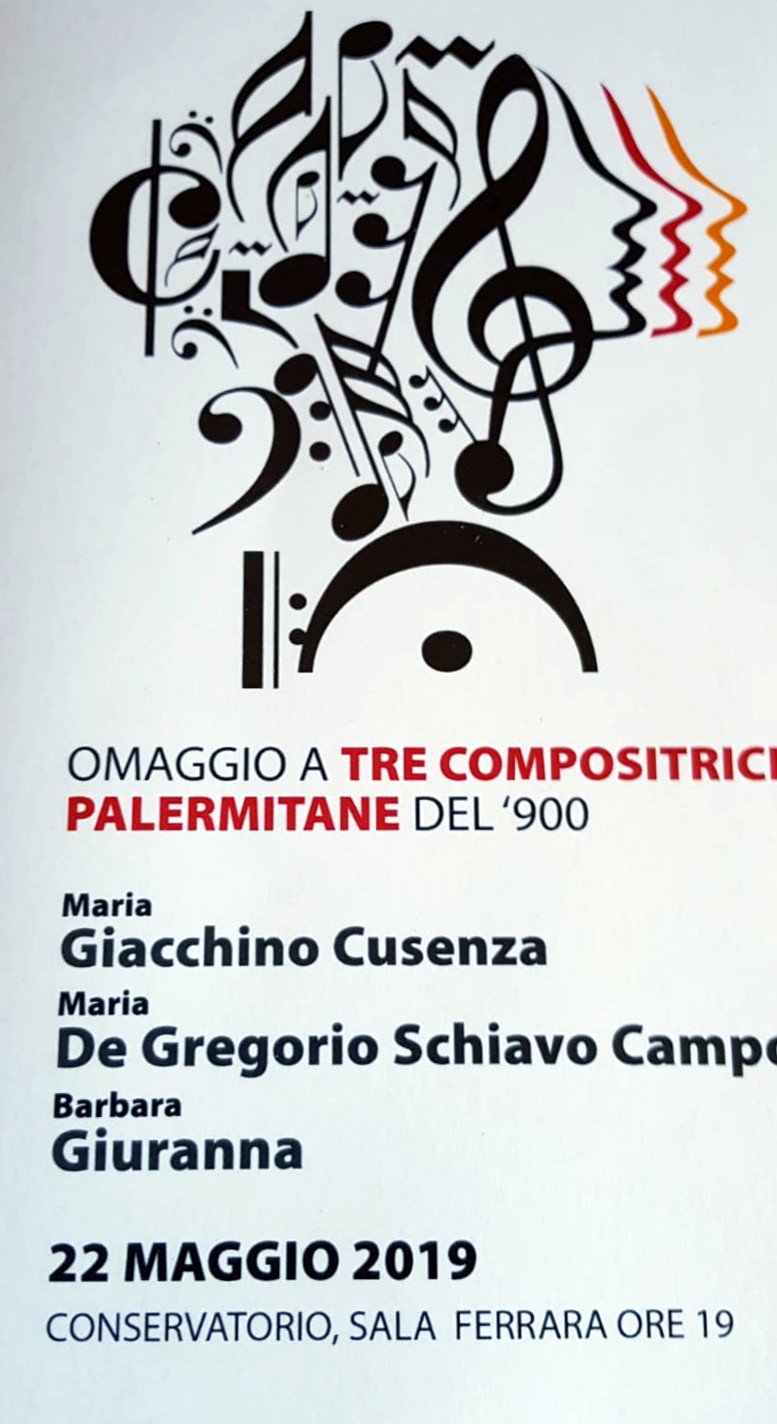
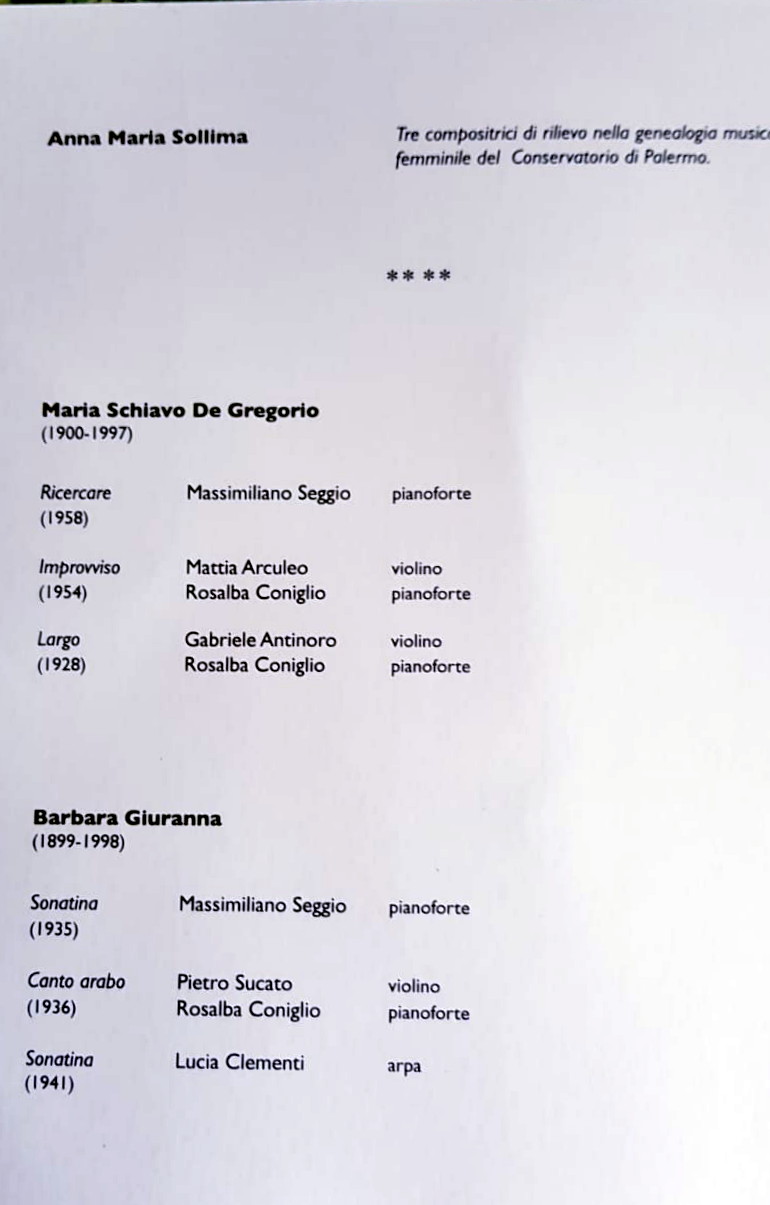
On 22nd May 2019 within the educational – artistic project "AlterAzione", during the event "A tribute to three women composers of '900 from Palermo" Ricercare is presented again by Massimiliano Seggio, together with "Improvviso" (1954) and "Largo" (1928), for violin and pianoforte played by Mattia Arculeo and Rosalba Coniglio the first and Gabriele Antinoro and Rosalba Coniglio again the second.